
Understanding Structural Integrity: How AI-Powered Analysis Protects Your Investment


Understanding Structural Integrity
The concept of structural integrity is crucial in ensuring the safety and longevity of buildings and infrastructures. It refers to the ability of a structure to withstand its intended load without failing due to fracture, deformation, or fatigue. As our cities grow and technology advances, maintaining structural integrity becomes increasingly important to protect investments and ensure public safety.

The Role of AI in Structural Analysis
Artificial Intelligence (AI) is revolutionizing the field of structural engineering. With AI-powered analysis, engineers can now assess the structural integrity of buildings more accurately and efficiently. This technology analyzes vast amounts of data to predict potential weaknesses and suggest proactive solutions. By leveraging AI, structural assessments become more reliable, reducing the risk of unexpected failures.
AI's ability to process data from various sources, such as sensors and historical records, allows it to create detailed models of a building's current state. These models help engineers identify areas that may require reinforcement or repair, ensuring that structures remain safe and functional over time.

Benefits of AI-Powered Structural Analysis
Incorporating AI into structural analysis offers several benefits:
- Enhanced Accuracy: AI algorithms can detect subtle changes and potential risks that might be overlooked by traditional methods.
- Cost Efficiency: By identifying issues early, AI helps reduce repair costs and extend the lifespan of a structure.
- Time Savings: Automated analysis speeds up the assessment process, allowing engineers to focus on implementing solutions.
These advantages highlight why AI-powered analysis is becoming a preferred method for maintaining structural integrity.
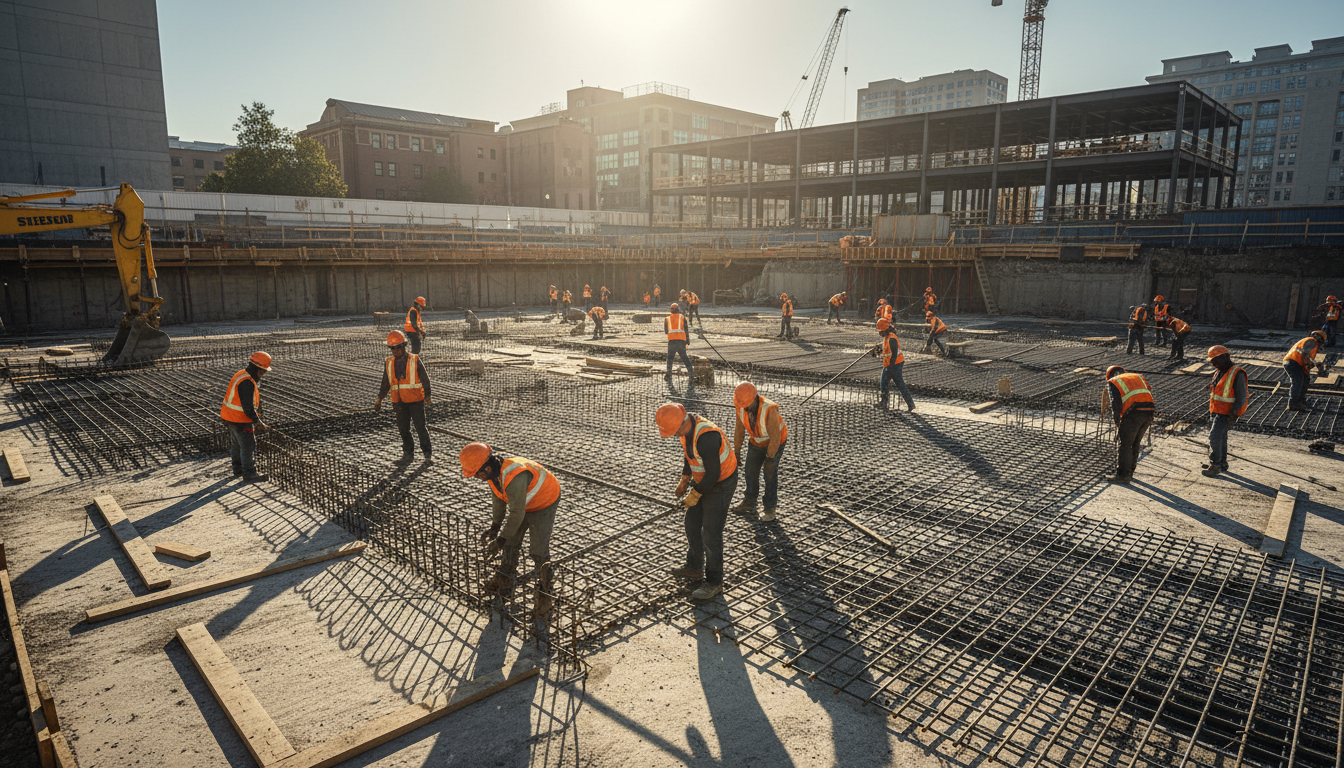
Case Studies: AI in Action
Several real-world applications demonstrate the effectiveness of AI in structural integrity. For example, AI technology has been used in the monitoring of bridges, where sensors collect data on stress and load distribution. This information is analyzed to predict potential points of failure, allowing for timely maintenance and repairs.
Another example is the use of AI in skyscraper construction. By simulating environmental impacts and material behavior, AI helps engineers design structures that can withstand natural disasters, such as earthquakes and hurricanes, thereby safeguarding investments.
The Future of Structural Integrity
As AI technology continues to evolve, its impact on structural integrity will only grow. Future developments may include even more sophisticated predictive models and real-time monitoring systems. These advancements will provide engineers with unprecedented insights into the health of infrastructures, leading to safer and more reliable buildings.
Investing in AI-powered analysis not only protects your investment but also contributes to the overall safety and sustainability of urban environments. As we look to the future, embracing AI's potential in structural integrity will be essential for building resilient and lasting infrastructures.