
Understanding IoT Sensors for Buildings: A Guide to Smart Structural Monitoring


Introduction to IoT Sensors in Smart Buildings
The Internet of Things (IoT) is revolutionizing how we interact with our environment, and buildings are no exception. By integrating IoT sensors, we can transform traditional structures into smart buildings, enhancing efficiency, safety, and comfort. This guide explores the role of IoT sensors in smart structural monitoring, providing insights into their applications and benefits.

What Are IoT Sensors?
IoT sensors are devices that collect and transmit data over the internet, enabling real-time monitoring and analysis. In the context of buildings, these sensors can track various parameters, such as temperature, humidity, light levels, and structural integrity. The data gathered helps facility managers make informed decisions, optimize resource use, and maintain safety standards.
Types of IoT Sensors Used in Buildings
Several types of IoT sensors are employed in smart buildings, each serving a specific purpose:
- Temperature and Humidity Sensors: These monitor the indoor climate, ensuring comfort and energy efficiency.
- Motion Sensors: Used for security and energy management, these detect movement within the building.
- Structural Health Monitors: These assess the building's integrity, identifying potential issues before they become critical.
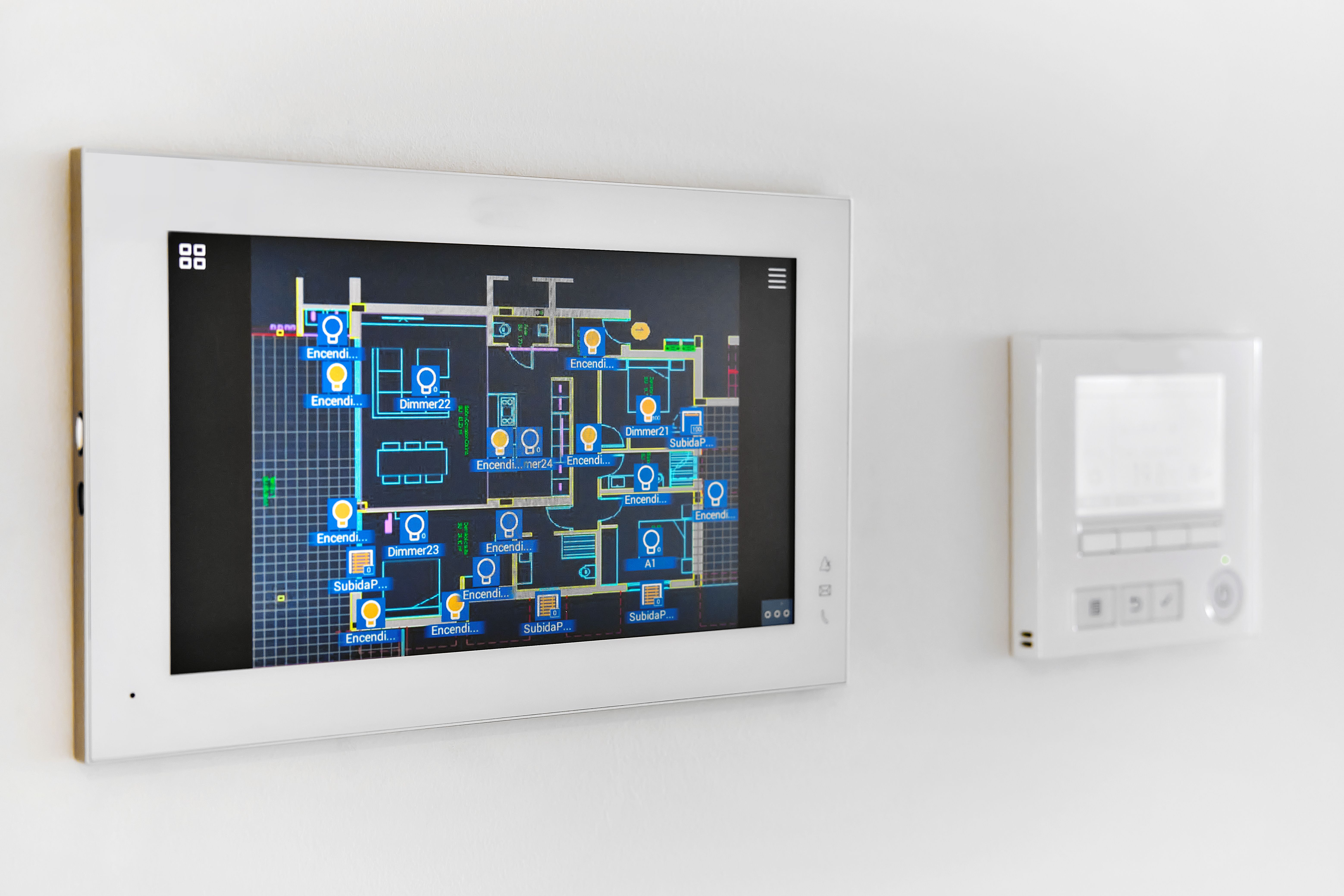
Benefits of Smart Structural Monitoring
Implementing IoT sensors in buildings offers numerous advantages. Improved safety is one of the most significant benefits, as sensors can detect structural anomalies early. This proactive approach helps prevent accidents and costly repairs. Additionally, these sensors contribute to energy efficiency by optimizing heating, cooling, and lighting systems based on real-time data.
Cost Efficiency and Maintenance
Another advantage of IoT sensors is enhanced cost efficiency. By providing detailed insights into building operations, sensors allow for predictive maintenance, reducing downtime and extending the lifespan of the structure. Facility managers can plan maintenance activities more effectively, avoiding unexpected expenses and resource wastage.

Challenges in Implementing IoT Sensors
While the benefits are clear, implementing IoT sensors in buildings does come with challenges. Data security is a primary concern, as the constant flow of information must be protected from potential breaches. Additionally, integrating these sensors into existing structures may require significant investment and technical expertise.
Overcoming Implementation Barriers
To successfully implement IoT sensors, it's crucial to address these challenges. Investing in robust cybersecurity measures and working with experienced professionals can mitigate risks. Additionally, planning and phased implementation can help manage costs and streamline the integration process.
The Future of Smart Buildings
The adoption of IoT sensors is set to increase as technology advances and costs decrease. Future smart buildings will likely feature even more sophisticated systems, offering greater control and insights. As the industry evolves, staying informed and embracing innovation will be key to unlocking the full potential of IoT in structural monitoring.