
Understanding IoT Sensors for Building Safety: A Comprehensive Guide


The Internet of Things (IoT) has revolutionized various industries, and building safety is no exception. IoT sensors are now an integral part of modern safety systems, offering enhanced monitoring and real-time data analysis. This guide delves into the role of IoT sensors in building safety, exploring their types, benefits, and practical applications.
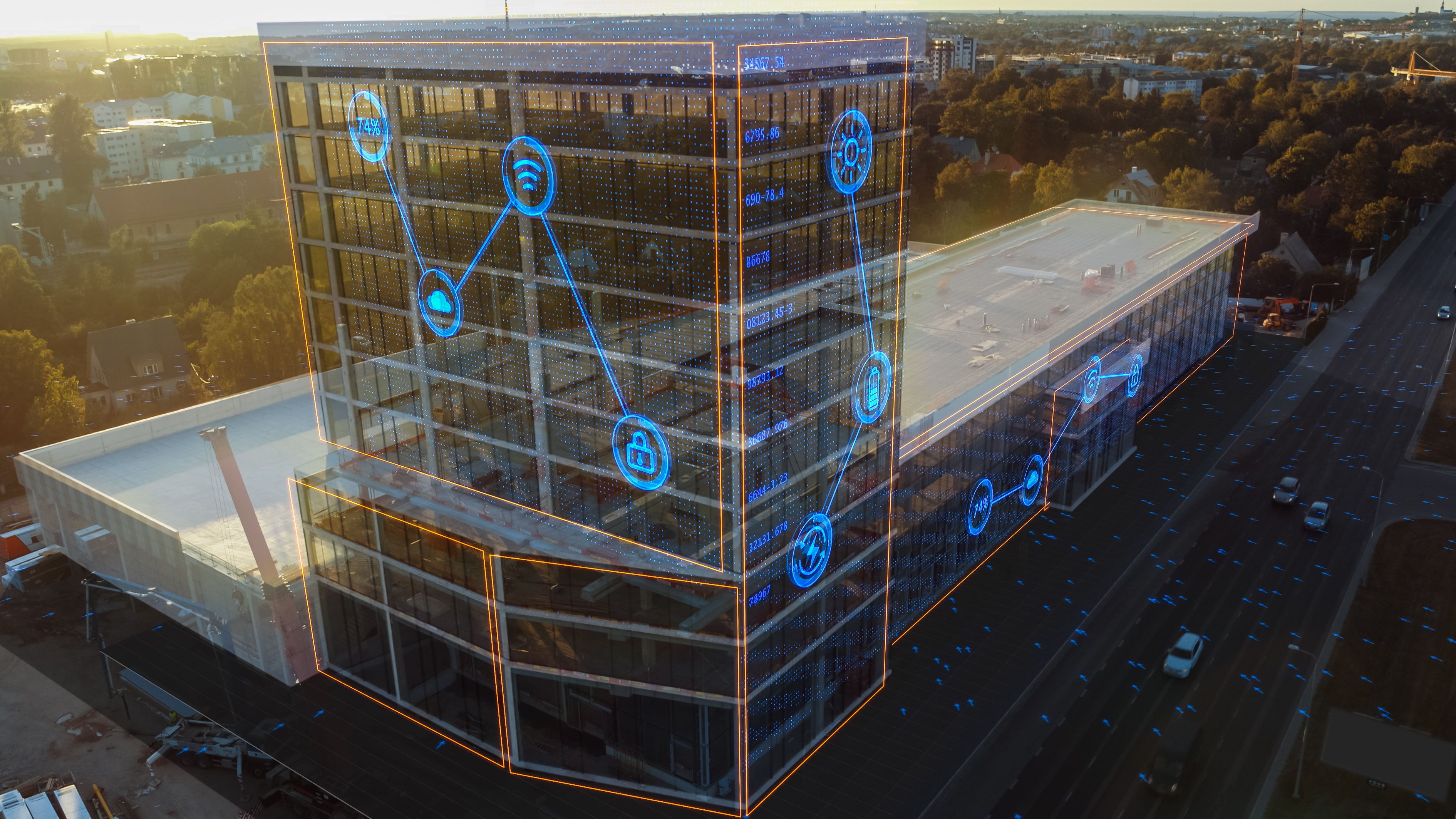
What Are IoT Sensors?
IoT sensors are devices that detect and respond to changes in the environment, such as temperature, motion, or smoke. These sensors are connected to the internet, allowing them to collect, send, and receive data. In the context of building safety, IoT sensors are used to monitor various safety parameters and alert stakeholders to potential hazards.
Types of IoT Sensors in Building Safety
There are several types of IoT sensors commonly used in building safety systems:
- Smoke and Fire Sensors: Detect smoke or rapid temperature increases that may indicate a fire.
- Motion Sensors: Monitor movement within a building to detect unauthorized access or unusual activity.
- Temperature and Humidity Sensors: Track environmental conditions to prevent overheating or excessive moisture, which can lead to mold growth.
- Air Quality Sensors: Measure pollutants and ensure ventilation systems are functioning correctly.

Benefits of IoT Sensors for Building Safety
Integrating IoT sensors into building safety systems offers numerous advantages:
- Real-Time Monitoring: Continuous data collection allows for immediate detection of safety issues.
- Automated Alerts: Sensors can automatically send alerts to building managers or emergency services when they detect a problem.
- Data Analytics: Collecting data over time enables analysis for trends and potential safety improvements.
- Energy Efficiency: Sensors can optimize heating, cooling, and lighting systems, contributing to sustainable building management.
Implementing IoT Sensors in Buildings
Implementing IoT sensors requires careful planning and consideration. Key steps include assessing the building's specific needs, selecting appropriate sensors, and ensuring proper installation and maintenance. It is crucial to work with experienced professionals to ensure that the system is robust and effective.
Challenges and Considerations
While IoT sensors offer significant benefits, there are challenges to consider. Data privacy and security are major concerns, as these sensors collect sensitive information. Ensuring that the data is encrypted and access is controlled can mitigate these risks. Additionally, integrating these systems with existing building infrastructure may require technical expertise and investment.
The Future of IoT in Building Safety
The future of IoT in building safety looks promising, with ongoing advancements in sensor technology and data analytics. As these technologies continue to evolve, we can expect even more sophisticated systems that provide enhanced safety and efficiency. Embracing these innovations will be crucial for building managers looking to maintain high safety standards.
In conclusion, IoT sensors are transforming the landscape of building safety, providing real-time monitoring and actionable insights. By understanding and implementing these technologies, building managers can significantly improve safety and operational efficiency.