
Understanding Florida Senate Bill 4-D: What High-Rise Owners Need to Know


Introduction to Florida Senate Bill 4-D
Florida Senate Bill 4-D is a crucial piece of legislation that impacts the owners of high-rise buildings across the state. Enacted to enhance the safety and structural integrity of buildings, this bill outlines new requirements that property owners must adhere to. Understanding these requirements is essential for compliance and ensuring the safety of residents.
In this post, we'll explore the key components of Senate Bill 4-D, helping high-rise owners navigate the changes and maintain their properties effectively. Whether you're a seasoned property manager or a new owner, this guide will provide valuable insights.
Key Provisions of Senate Bill 4-D
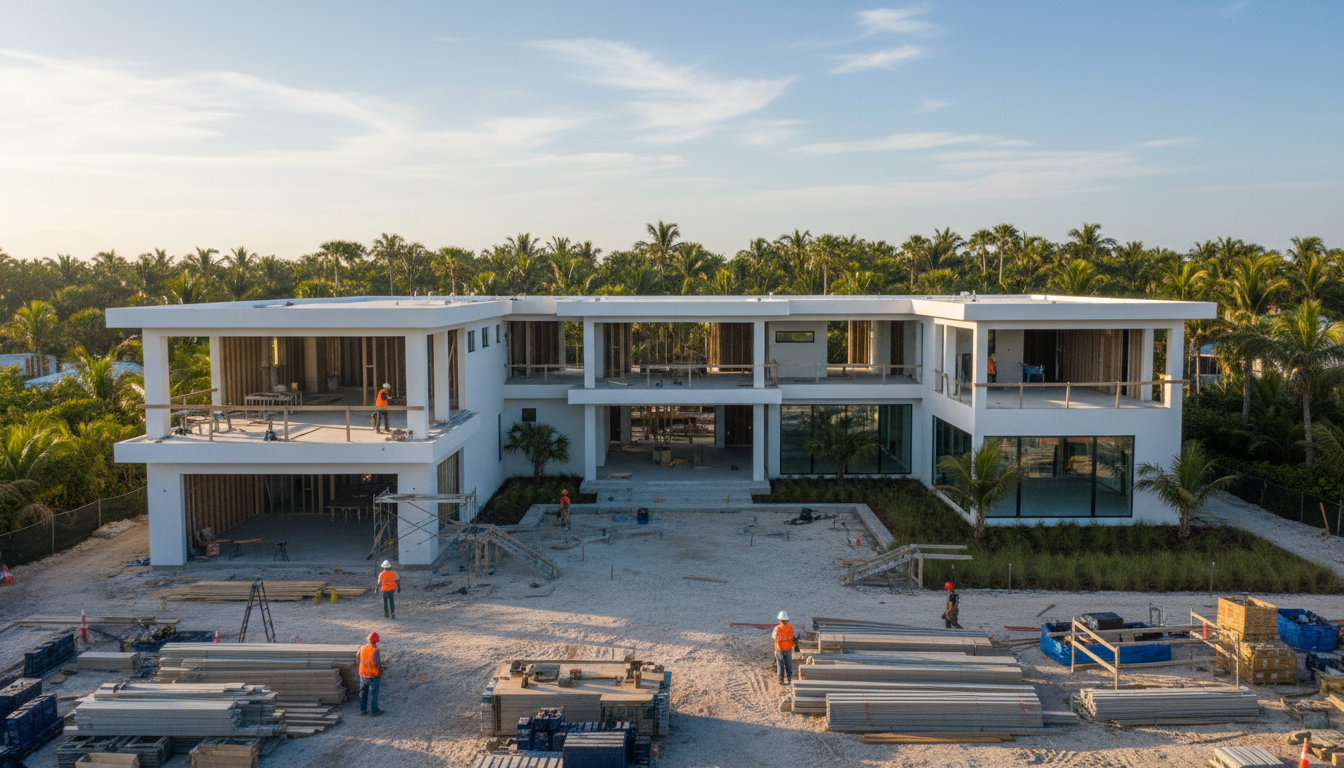
Senate Bill 4-D introduces several important provisions aimed at improving building safety. The bill mandates regular inspections and maintenance checks, particularly focusing on structural elements and essential safety systems.
Mandatory Inspections
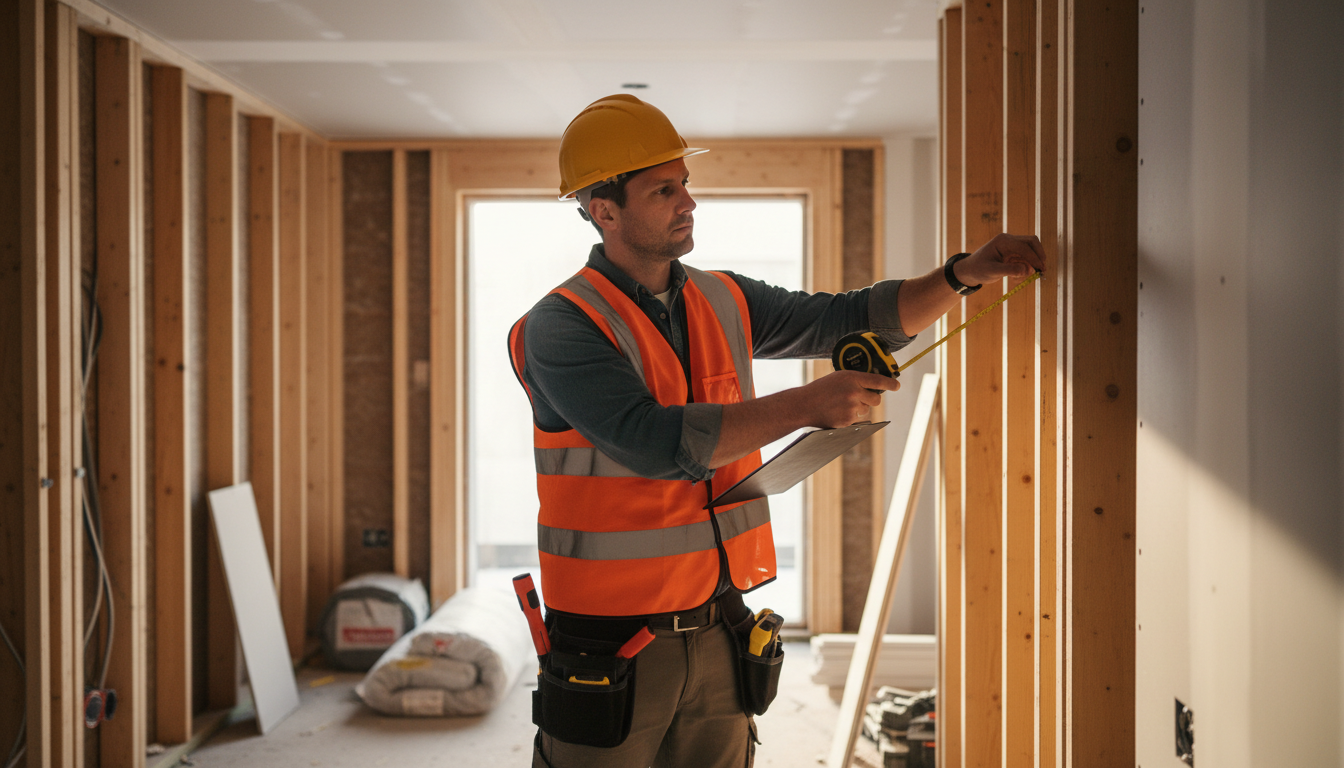
One of the primary requirements is the implementation of mandatory inspections for buildings over a certain height. These inspections must be conducted by certified professionals and are designed to identify potential structural issues before they become critical.
Owners must ensure that inspections occur at regular intervals, with detailed reports submitted to local authorities. This proactive approach helps prevent accidents and promotes the long-term sustainability of the building.
Repair and Maintenance Obligations
Under the new legislation, high-rise owners are obligated to carry out necessary repairs and maintenance promptly. The bill emphasizes the importance of addressing any issues identified during inspections to prevent further deterioration.
Failure to comply with these repair obligations can result in significant penalties, highlighting the importance of staying vigilant and proactive in maintaining the building's integrity.
Financial Implications for Owners
While the safety of residents and the structural integrity of buildings are paramount, Senate Bill 4-D also has financial implications for property owners. Understanding these can help in planning and budgeting for the necessary changes.
Cost of Compliance
Complying with the new regulations can be costly, as it involves regular inspections, potential repairs, and ongoing maintenance. Owners should budget for these expenses and consider setting aside a reserve fund to cover unexpected costs.

Additionally, owners may explore financial assistance programs or grants available for building improvements to help offset some of the costs associated with compliance.
Conclusion: Staying Informed and Prepared
Florida Senate Bill 4-D represents a significant shift in the way high-rise buildings are managed and maintained. By understanding and adhering to the requirements set forth in the bill, owners can ensure the safety and well-being of their residents while protecting their investment.
Staying informed about legislative changes and actively engaging in the maintenance and inspection process are crucial steps in navigating this new landscape. By doing so, high-rise owners can not only comply with the law but also contribute to the overall safety and sustainability of Florida's urban environment.