
Understanding Florida Senate Bill 4-D: What Building Owners Need to Know


The recent introduction of Florida Senate Bill 4-D has brought significant changes for building owners throughout the state. This legislation, aimed at enhancing building safety and compliance, requires owners to be well-informed of their responsibilities and the implications of the new law. Understanding the key aspects of this bill is crucial for maintaining compliance and avoiding potential penalties.
Overview of Florida Senate Bill 4-D
Florida Senate Bill 4-D was enacted in response to growing concerns about building safety and structural integrity. The bill focuses on stricter regulations for building inspections and maintenance, particularly in coastal areas prone to harsh weather conditions. These measures aim to prevent structural failures and ensure that buildings remain safe for occupants.
One of the primary components of the bill is the requirement for more frequent and detailed inspections. This change affects both residential and commercial properties, with specific guidelines based on building type and location.
Inspection Requirements
Under the new legislation, building owners must adhere to a more rigorous inspection schedule. For instance, buildings within three miles of the coastline are subject to enhanced inspection protocols. These inspections must be conducted by certified professionals who will assess the structural integrity and overall safety of the property.
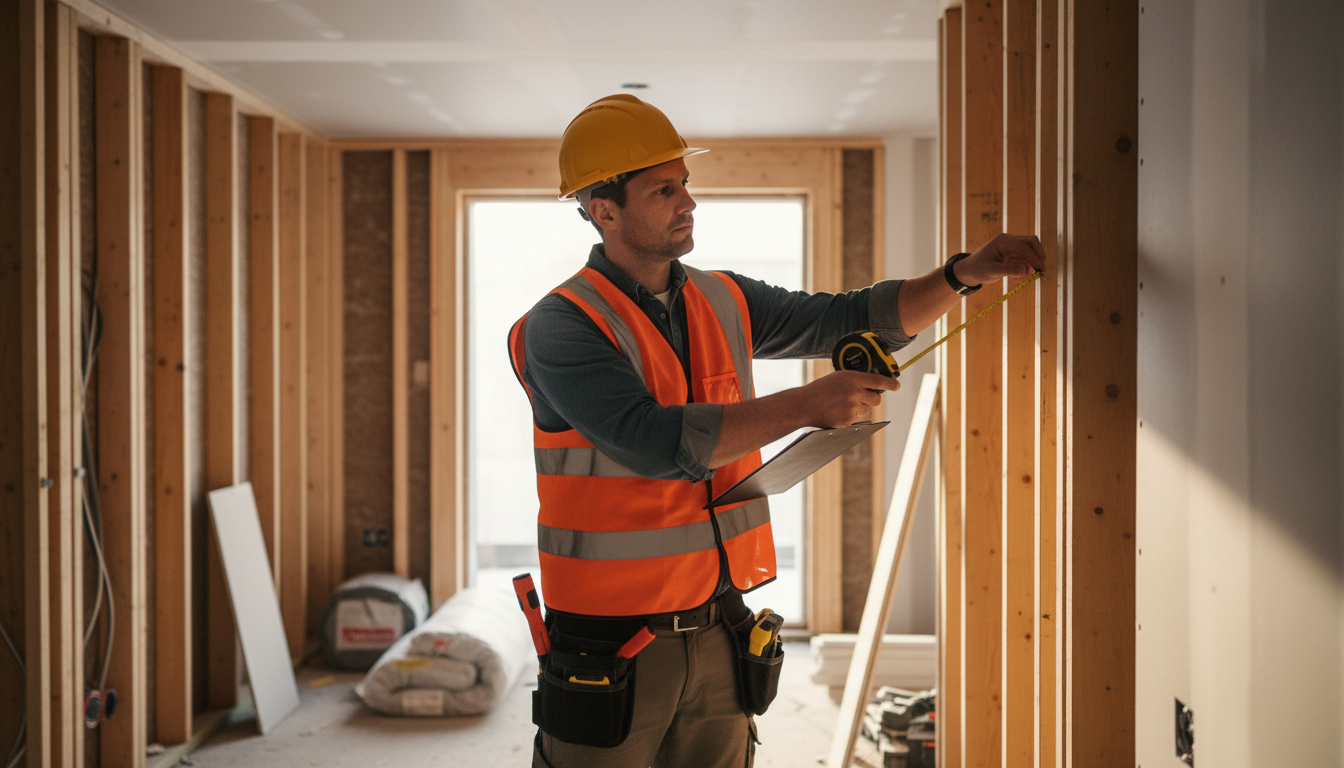
Additionally, the bill mandates that inspection reports be submitted to local authorities. This ensures transparency and allows for government oversight in maintaining building standards.
Maintenance Obligations
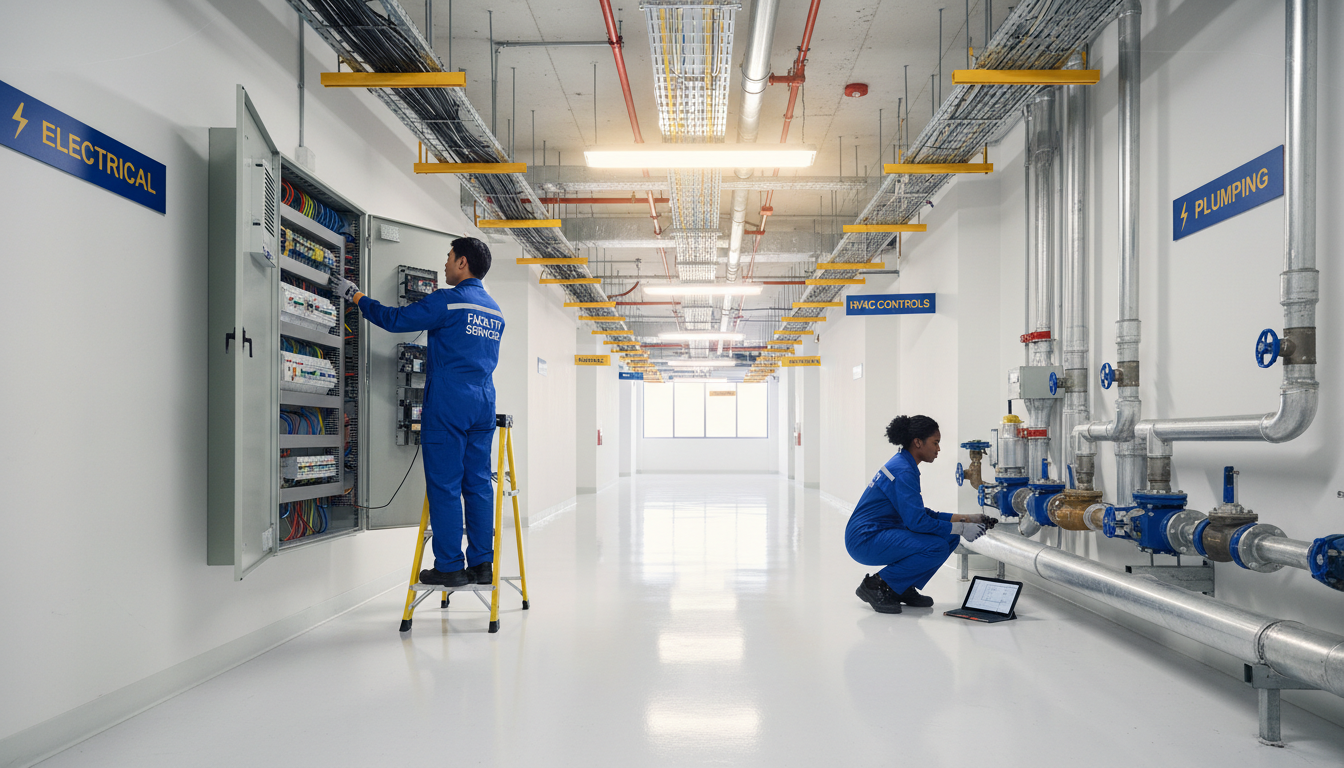
Beyond inspections, Senate Bill 4-D outlines specific maintenance obligations for building owners. Regular upkeep of critical structural components, such as roofs and load-bearing elements, is now a legal requirement. This proactive approach is designed to prevent potential hazards before they become serious issues.
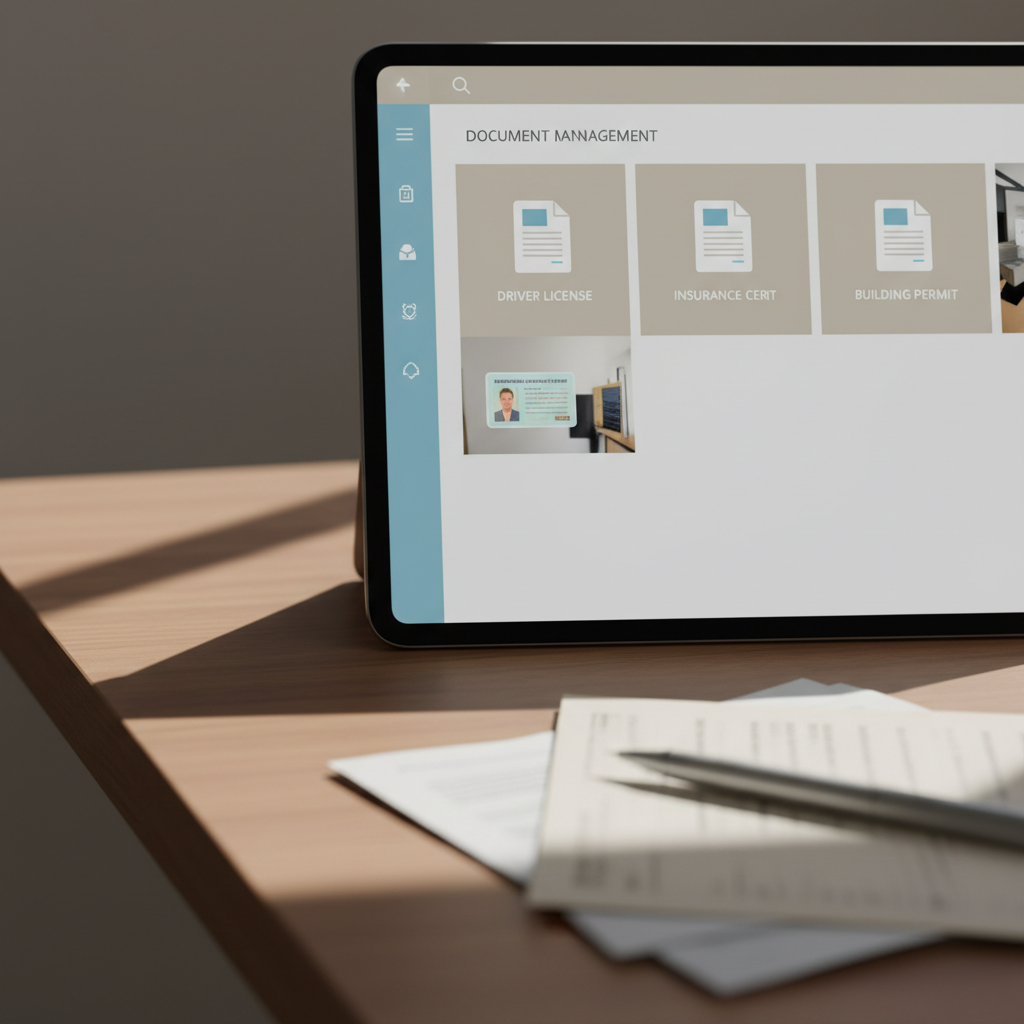
Building owners are encouraged to establish maintenance schedules and keep detailed records of all repairs and upgrades. This documentation can be crucial in demonstrating compliance with the new regulations.
Penalties for Non-Compliance
Failure to comply with the mandates of Senate Bill 4-D can result in substantial penalties. These may include fines, legal action, and even restrictions on property use. It is essential for building owners to understand these consequences and take appropriate action to meet the legal standards.
To avoid these penalties, owners should work closely with legal advisors and compliance experts to ensure all aspects of the bill are met. Staying informed and proactive can make a significant difference in maintaining compliance.
Benefits of Compliance
While the new regulations may seem demanding, they offer several benefits for building owners. Compliance not only ensures the safety of occupants but can also enhance the property’s value. Well-maintained buildings are more attractive to potential buyers and tenants, offering a competitive advantage in the real estate market.
Moreover, adhering to the legislation can lead to lower insurance premiums, as insurers often favor properties that prioritize safety and maintenance.
Conclusion
Florida Senate Bill 4-D represents a significant shift in building safety regulations. By understanding and implementing the requirements of this legislation, building owners can ensure the safety of their properties, avoid penalties, and ultimately protect their investments. Staying informed and proactive is key to navigating these new regulations effectively.