The Role of LiDAR Technology in Modern Structural Assessments


Understanding LiDAR Technology
LiDAR, which stands for Light Detection and Ranging, is a remote sensing method that uses light in the form of a pulsed laser to measure variable distances to the earth. This technology has been transformative in various industries, particularly in modern structural assessments. By providing precise and detailed three-dimensional information, LiDAR has become a critical tool for engineers and architects.
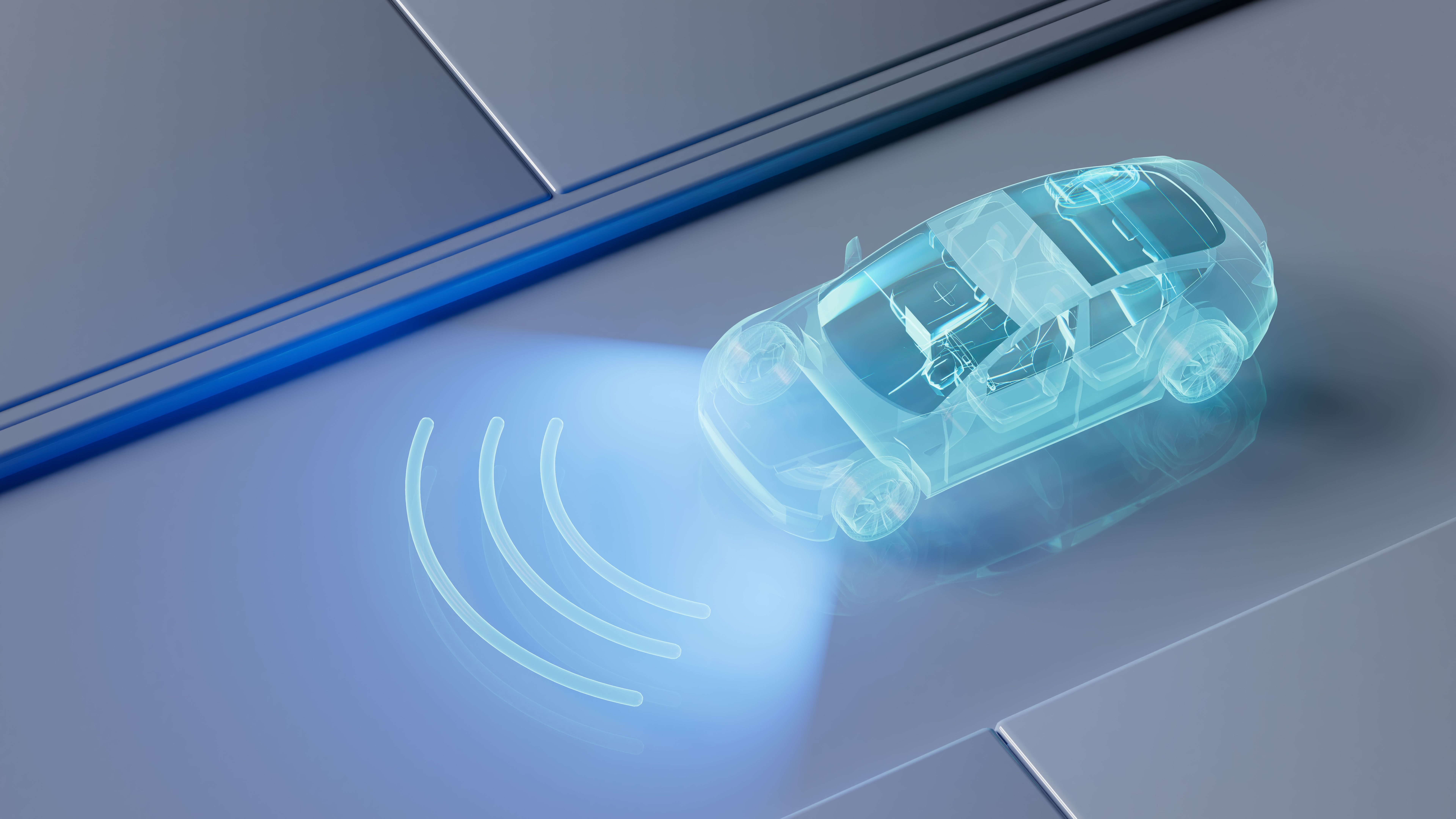
The basic principle of LiDAR involves emitting laser pulses towards a target and measuring the time it takes for the reflected light to return to the sensor. This data is then used to create accurate, high-resolution maps of structures and landscapes.
Applications in Structural Assessments
LiDAR technology plays a vital role in structural assessments by providing comprehensive data that can be used to evaluate the integrity and safety of buildings and infrastructure. Engineers can utilize LiDAR to identify potential issues, such as structural deformations or weaknesses, that may not be visible through traditional inspection methods.
For instance, LiDAR can be used to assess bridges, tunnels, and other critical infrastructure, ensuring they meet safety standards and are free from defects. This technology allows for continuous monitoring, enabling timely interventions and maintenance.

Benefits of Using LiDAR
One of the primary benefits of LiDAR in structural assessments is its ability to provide accurate measurements quickly. This efficiency reduces the time and cost associated with manual inspections. Additionally, LiDAR data can be easily integrated with other digital tools, enhancing the overall analysis and decision-making process.
- Precision: LiDAR offers high-resolution data that captures intricate details.
- Safety: Remote sensing minimizes the need for manual inspections in hazardous areas.
- Scalability: LiDAR can cover large areas in a short amount of time.

Challenges and Considerations
While LiDAR technology offers numerous advantages, there are challenges to consider. The initial setup and equipment costs can be high, and interpreting the vast amount of data requires specialized expertise. Furthermore, environmental factors like weather conditions can impact data accuracy.
Despite these challenges, ongoing advancements in LiDAR technology continue to enhance its capabilities, making it more accessible and efficient for structural assessments. Future developments are likely to address current limitations, further solidifying LiDAR's role in this field.
Future Prospects
The future of LiDAR in structural assessments looks promising. As technology evolves, we can expect more affordable and sophisticated systems that offer even greater precision and ease of use. Emerging trends such as integration with artificial intelligence and machine learning could revolutionize how data is analyzed, leading to faster and more accurate assessments.
In conclusion, LiDAR technology is shaping the future of structural assessments by providing essential insights that enhance safety, efficiency, and accuracy. As industries continue to recognize its value, the adoption of LiDAR is likely to increase, driving further innovation and growth.