
The Role of LiDAR Scanning in Modern Building Inspections


Introduction to LiDAR Scanning
In the world of modern building inspections, technology continues to revolutionize the way we assess and analyze structures. One of the most groundbreaking technologies in this field is LiDAR scanning. Short for Light Detection and Ranging, LiDAR uses laser pulses to create detailed three-dimensional representations of environments. Its precision and efficiency make it an invaluable tool for inspectors.
LiDAR scanning allows professionals to capture accurate data quickly, reducing the time needed for inspections and minimizing human error. This technology is transforming how we understand buildings, from their structural integrity to their environmental impact.
How LiDAR Scanning Works
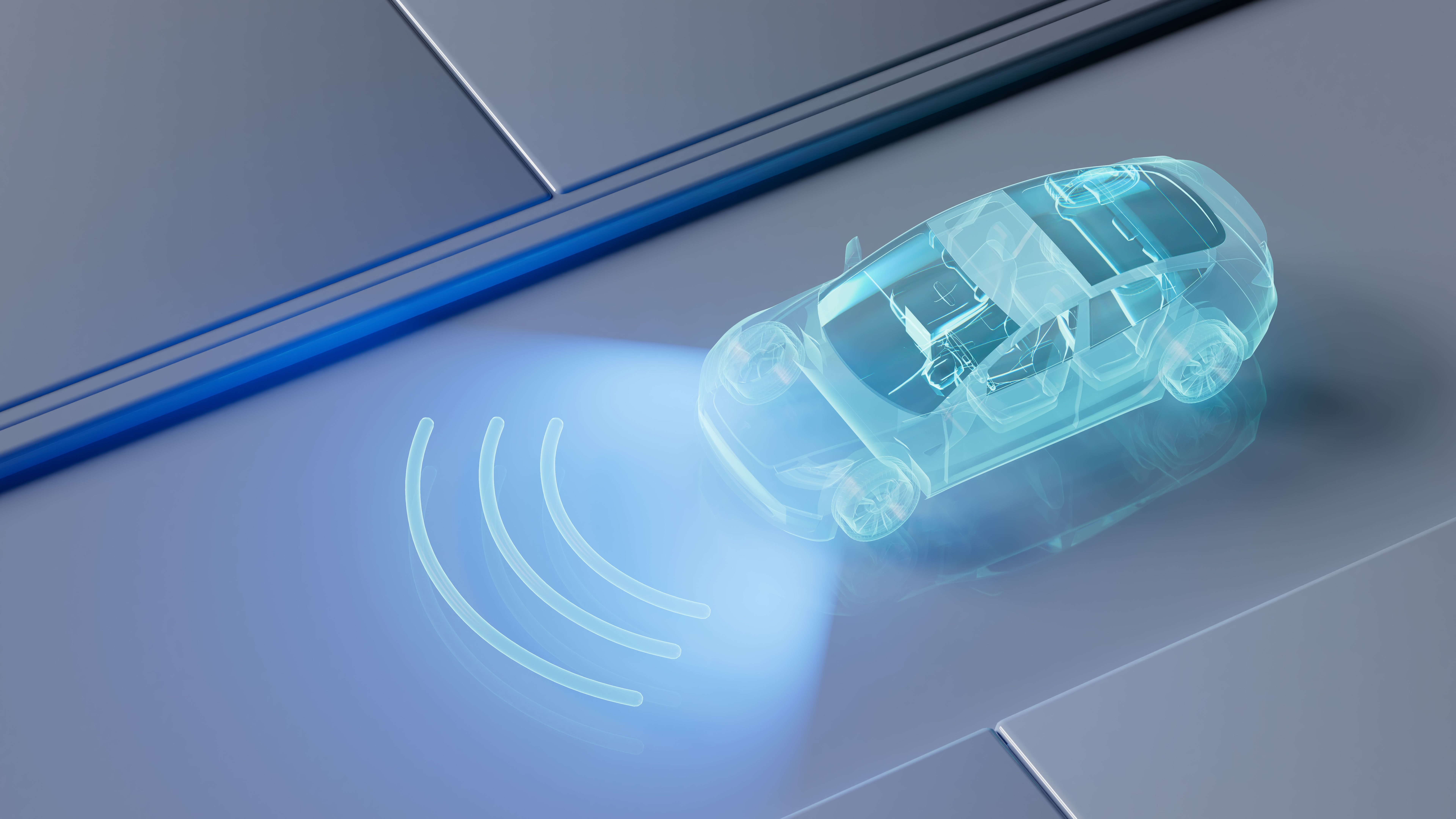
LiDAR scanners emit laser beams that bounce off surfaces and return to the scanner. By measuring the time it takes for the light to return, the scanner calculates distances with remarkable accuracy. This data is then used to generate a detailed 3D map of the scanned area.
The ability to capture intricate details from multiple angles makes LiDAR an ideal choice for complex structures. Whether it's a high-rise building or a historical monument, LiDAR can provide insights that traditional methods might miss.
Applications in Building Inspections
LiDAR scanning is used extensively in building inspections for several purposes:
- Structural Analysis: Identifying potential weaknesses or areas of concern in a building's structure.
- Renovation Planning: Providing accurate measurements and data for renovations or restorations.
- Historical Preservation: Documenting heritage sites without causing any damage.

Benefits of Using LiDAR in Inspections
One of the key benefits of LiDAR scanning is its ability to provide a comprehensive view of a structure. Inspectors can access hard-to-reach areas without risking safety, and the data can be analyzed remotely, allowing for more informed decision-making.
Moreover, LiDAR scanning enhances efficiency. Traditional inspections often require considerable time and resources, but with LiDAR, large areas can be scanned quickly and accurately. This efficiency translates into cost savings for both inspection firms and their clients.
Challenges and Considerations
Despite its advantages, LiDAR scanning is not without challenges. The cost of equipment and the need for specialized training can be barriers for some companies. Additionally, data processing requires sophisticated software capable of handling large datasets.
However, as technology advances, these challenges are becoming easier to overcome. The investment in LiDAR technology often pays off in the long run, given the precision and efficiency it offers.
The Future of LiDAR in Building Inspections
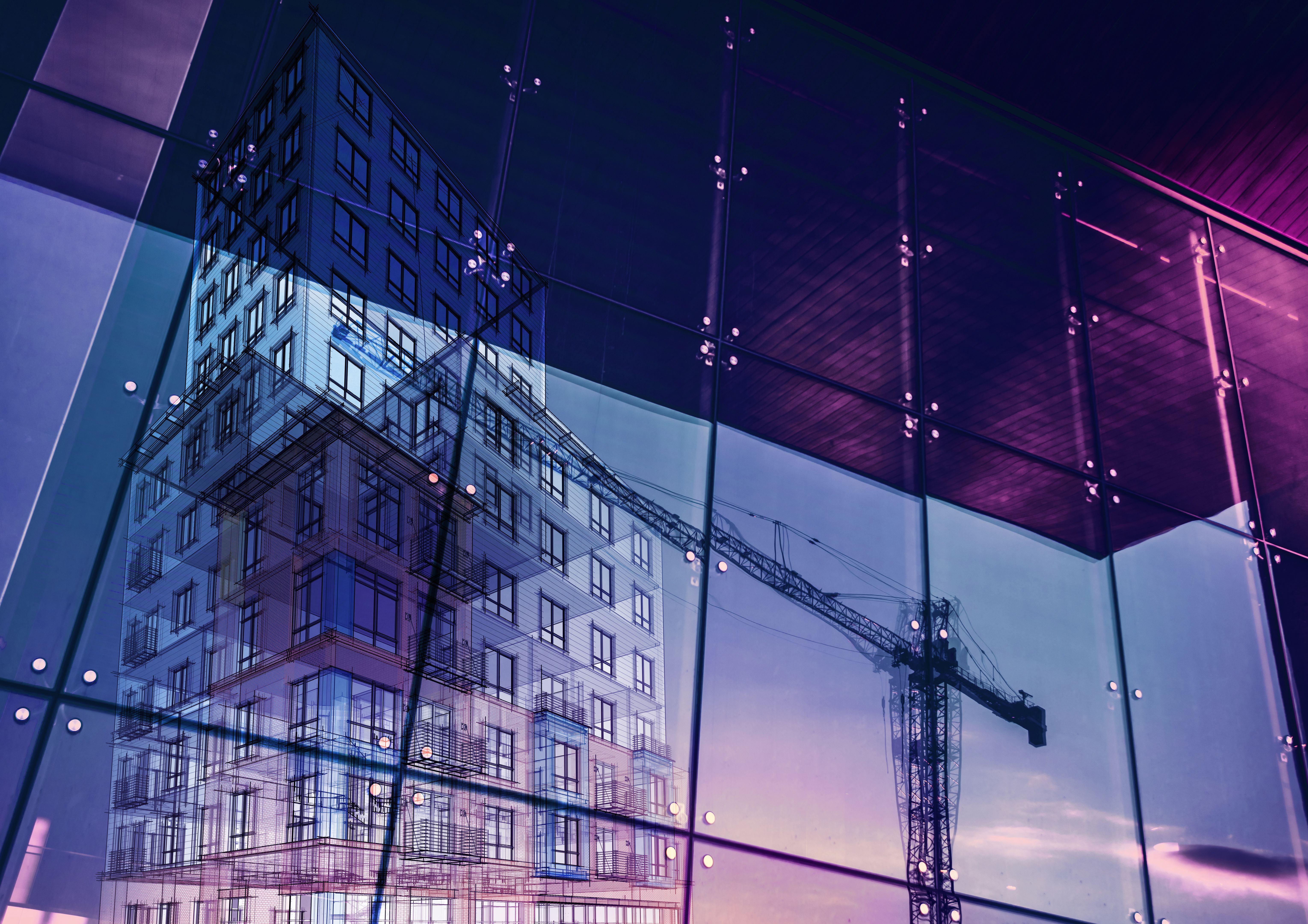
The future of LiDAR in building inspections looks promising. As technology continues to evolve, we can expect even more refined and accessible solutions. Integration with other technologies, such as drones and AI, will likely enhance its capabilities further.
LiDAR's role in modern building inspections is a testament to its transformative potential. As more industries adopt this technology, its impact will only grow, leading to safer, more efficient, and more accurate building assessments.