
The Role of IoT Sensors in Modern Structural Health Monitoring


Introduction to IoT Sensors in Structural Health Monitoring
In the rapidly evolving field of engineering and construction, Internet of Things (IoT) sensors have emerged as pivotal components in monitoring the health of structures. These sensors provide real-time data, enhancing the safety and longevity of buildings, bridges, and other critical infrastructures.
IoT sensors are small devices that collect and transmit data over the Internet, allowing engineers to monitor structural conditions continuously. This real-time monitoring is crucial for preempting potential failures and ensuring the integrity of structures.
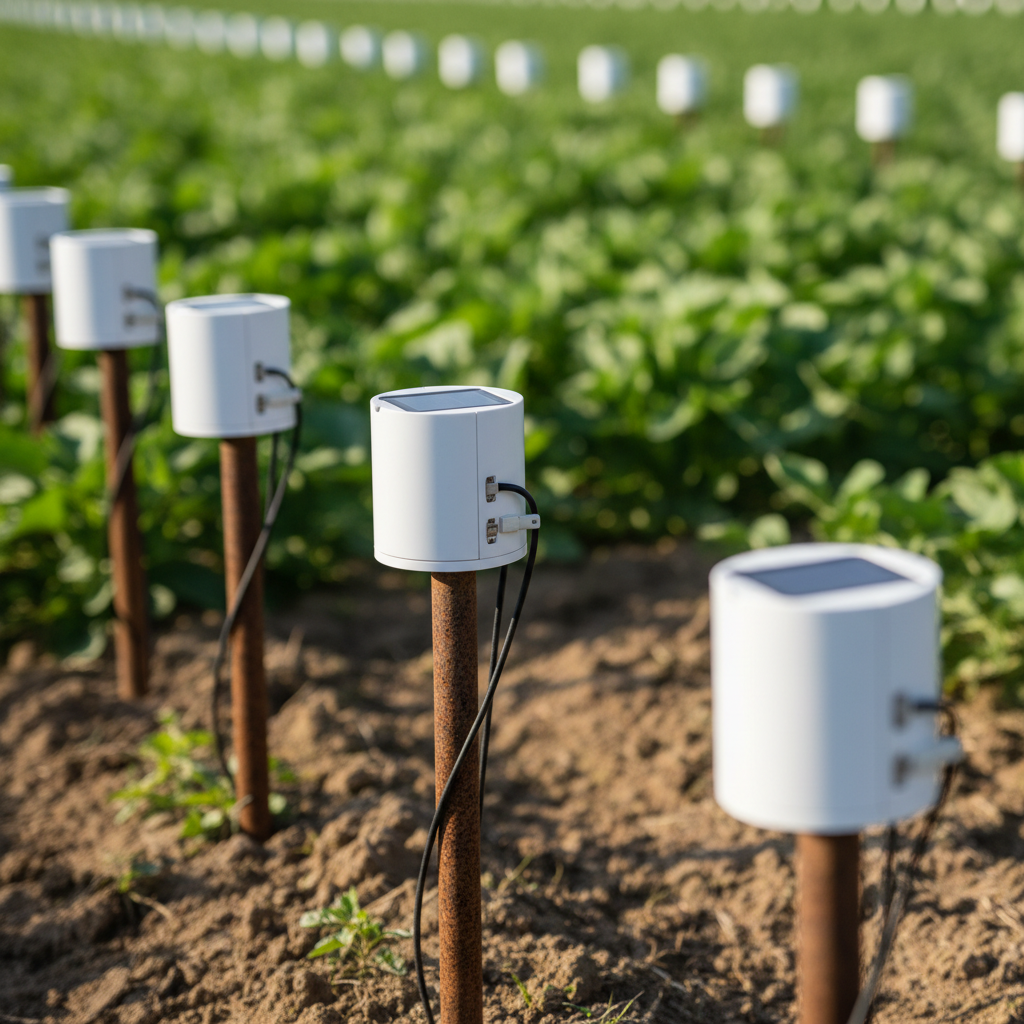
Types of IoT Sensors Used in Structural Health Monitoring
There are several types of IoT sensors utilized in structural health monitoring, each serving a unique purpose. Common types include:
- Vibration sensors: These detect oscillations and help identify structural weaknesses.
- Strain gauges: Used to measure deformation of structural elements.
- Temperature sensors: Monitor temperature changes that could affect structural integrity.
By integrating these sensors into a comprehensive monitoring system, engineers can gain valuable insights into the behavior and condition of a structure over time.

Benefits of IoT Sensors in Monitoring Structural Health
The integration of IoT sensors into structural health monitoring systems offers numerous benefits. Firstly, they provide real-time data that can be accessed remotely, enabling prompt decision-making and reducing the need for manual inspections.
Additionally, these sensors can extend the lifespan of structures by identifying issues early, allowing for timely maintenance and repairs. This proactive approach not only improves safety but also reduces costs associated with extensive repairs or replacements.
Challenges and Considerations
Despite their many advantages, implementing IoT sensors in structural health monitoring comes with challenges. Data management and security are significant concerns, given the vast amounts of data generated and the potential risks of cyber attacks.
Moreover, the initial cost of deploying these sensors can be high, and ensuring their long-term reliability requires careful planning and maintenance. Engineers must balance these considerations with the benefits to optimize the monitoring system's effectiveness.

The Future of IoT in Structural Health Monitoring
As technology advances, the role of IoT sensors in structural health monitoring is expected to grow. Innovations such as machine learning and artificial intelligence will enhance data analysis, providing even deeper insights into structural conditions.
Furthermore, the development of more energy-efficient and durable sensors will reduce maintenance needs and costs, making IoT-based monitoring systems more accessible and widespread.
Conclusion
IoT sensors are revolutionizing the field of structural health monitoring, offering real-time insights, cost savings, and increased safety. While challenges remain, the future looks promising as technology continues to advance, paving the way for smarter, safer, and more sustainable infrastructure.