
The Role of AI Tools in Risk Assessment: A Guide for Florida High-Rises


In the ever-evolving landscape of urban development, high-rises in Florida face unique challenges due to climate, regulations, and structural demands. One of the most critical aspects of managing these buildings is effective risk assessment. With the advent of artificial intelligence, property managers and developers now have powerful tools at their disposal to enhance safety and efficiency.
Understanding Risk Assessment in High-Rises
Risk assessment is an essential process that involves identifying, analyzing, and mitigating risks related to the environment, structure, and operations of high-rise buildings. In Florida, where weather patterns and coastal proximity can pose significant threats, comprehensive risk assessment is crucial for ensuring the safety and longevity of these structures.
Traditional methods of risk assessment often rely on manual inspections and historical data analysis, which can be time-consuming and prone to human error. This is where AI tools become invaluable, offering a more efficient and accurate approach.
The Benefits of AI in Risk Assessment
AI tools bring several advantages to risk assessment in high-rises. Firstly, they can process vast amounts of data quickly, providing insights that would be impossible to achieve manually. By analyzing patterns in weather data, structural integrity reports, and even social media feedback, AI can predict potential risks with remarkable accuracy.
Moreover, AI systems can continuously learn and adapt. As they process more data, their predictive models become more refined, allowing for increasingly precise risk assessments over time. This adaptability is especially beneficial in a state like Florida, where environmental conditions can change rapidly.

AI Tools in Action
Several AI tools are currently being utilized in the risk assessment of Florida high-rises. These include:
- Predictive Analytics Platforms: These tools analyze data from various sources to forecast potential structural issues or environmental threats.
- Image Recognition Software: By examining images from inspections or drones, AI can identify signs of wear, corrosion, or other structural weaknesses.
- Machine Learning Models: These models help in understanding and predicting human behaviors and occupancy patterns, which can impact building safety and operations.
Challenges and Considerations
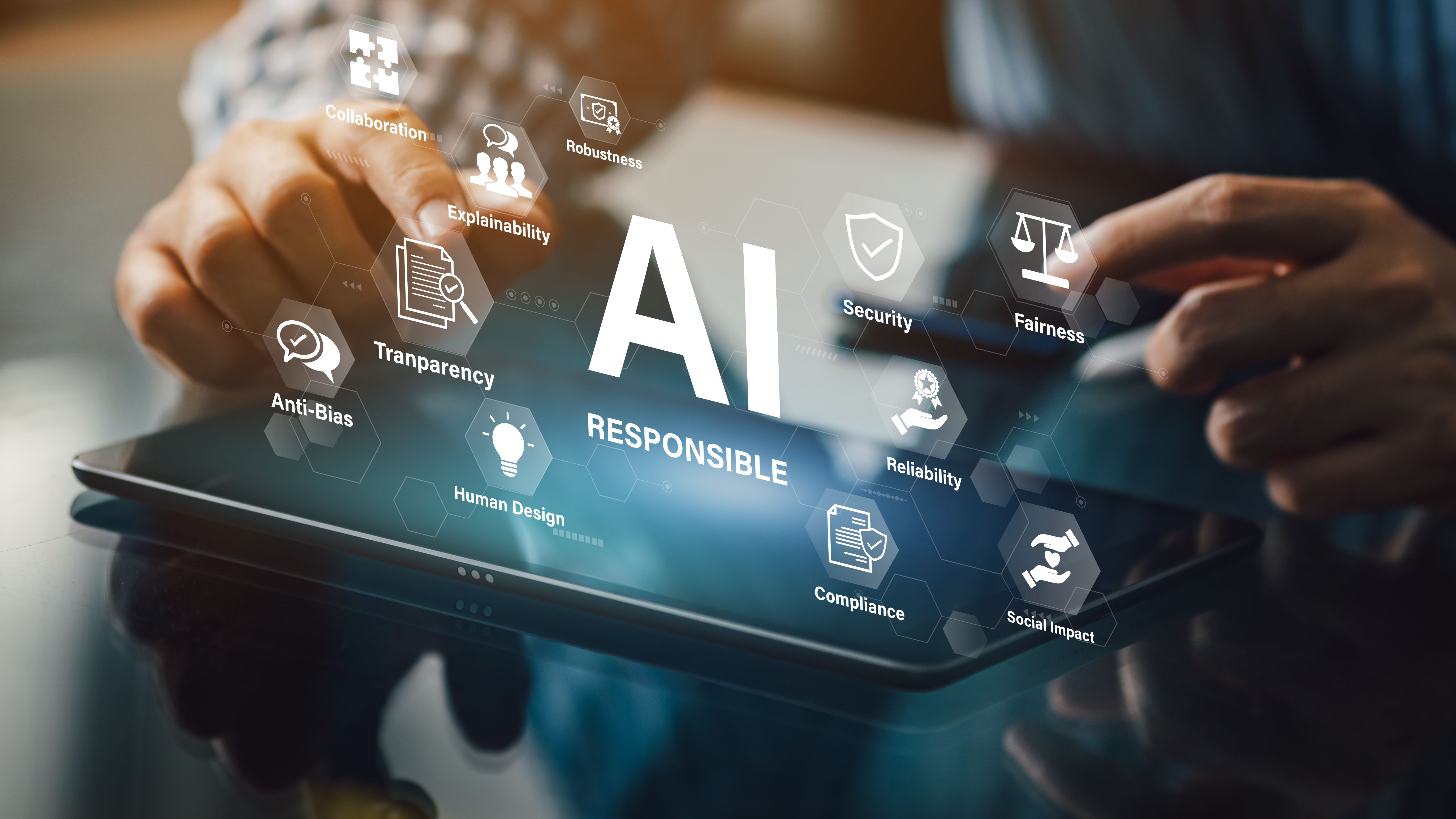
While AI tools offer significant benefits, there are challenges to consider. Data privacy and security are paramount, as these systems often require access to sensitive information. Ensuring compliance with regulations and maintaining transparency in AI decision-making processes is essential to build trust with stakeholders.
Additionally, integrating AI tools with existing systems and processes can pose challenges. Training staff to effectively use and interpret AI-generated insights is crucial to fully leverage these tools.
The Future of AI in High-Rise Risk Assessment
The role of AI in risk assessment for Florida high-rises is set to grow as technology continues to advance. Future developments may include even more sophisticated predictive models, real-time monitoring systems, and enhanced integration with smart building technologies.
Ultimately, the successful implementation of AI tools will depend on collaboration between developers, property managers, regulatory bodies, and technology providers. By working together, these stakeholders can ensure that AI not only enhances risk assessment but also contributes to the safer and more efficient management of high-rise buildings.