
The Latest AI Applications in Architectural Engineering: Transforming Building Safety


Introduction to AI in Architectural Engineering
In recent years, artificial intelligence (AI) has made significant inroads into various industries, and architectural engineering is no exception. AI applications are now transforming the way buildings are designed, constructed, and maintained, with a particular focus on enhancing building safety. This article explores the latest AI applications in architectural engineering that are revolutionizing building safety.
AI-Driven Design and Planning
One of the most exciting applications of AI in architectural engineering is its role in design and planning. AI algorithms can analyze vast amounts of data to optimize building designs, ensuring they meet safety codes and regulations. By predicting potential risks and challenges during the planning stage, architects can make informed decisions that enhance the safety and durability of structures.

Structural Analysis and Simulation
AI-driven tools are now capable of performing complex structural analysis and simulations. These tools can assess how buildings will respond to various stressors, such as earthquakes, wind, and other environmental factors. By simulating these scenarios, engineers can identify potential vulnerabilities and reinforce structures accordingly, leading to safer buildings.
Construction Monitoring and Safety
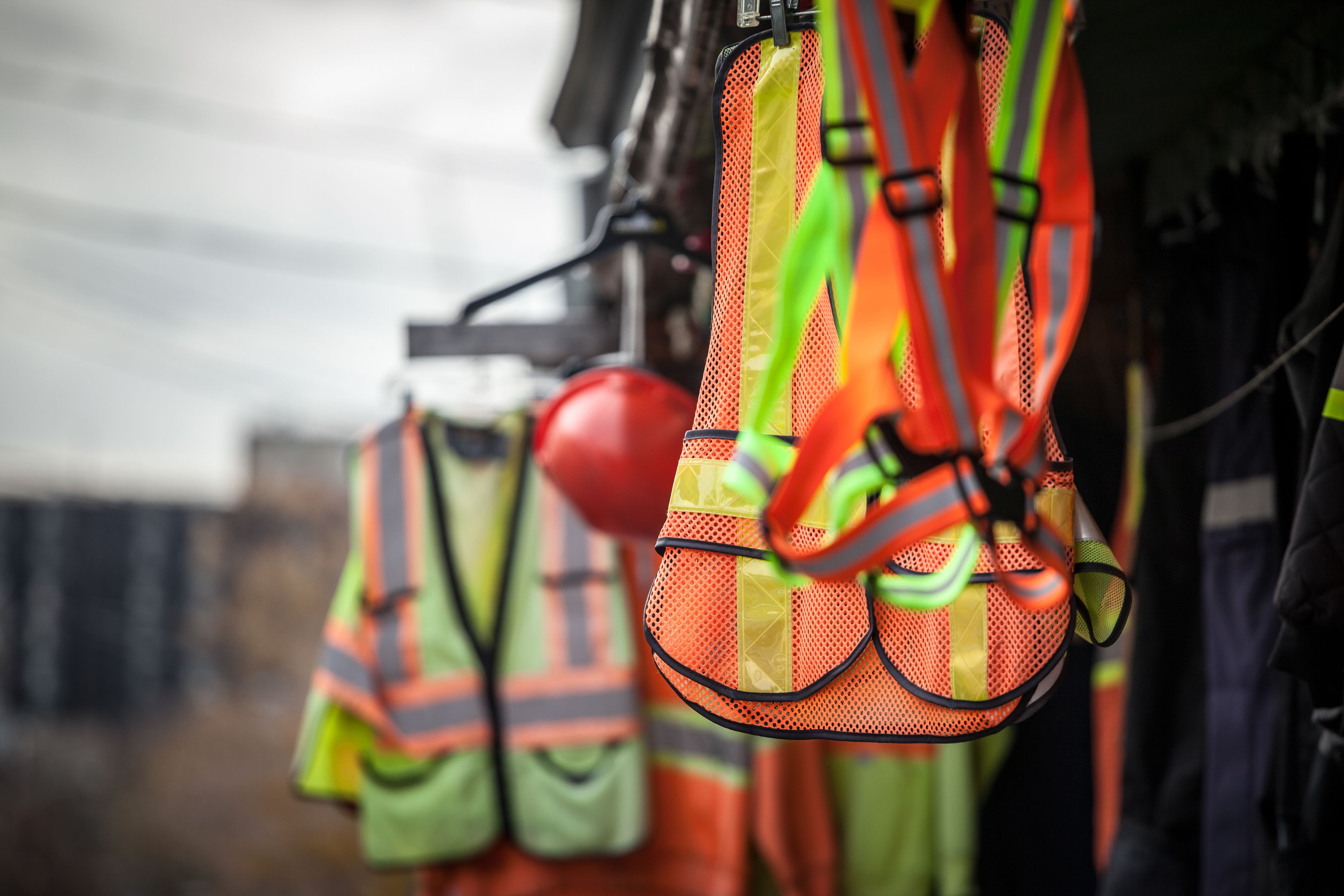
During the construction phase, AI is utilized for real-time monitoring and safety management. AI-powered drones and sensors collect data from construction sites, allowing project managers to track progress and detect safety hazards. This constant vigilance helps prevent accidents and ensures compliance with safety standards.
Predictive Maintenance
Once construction is complete, the role of AI does not end. AI applications in building maintenance are crucial for long-term safety. Predictive maintenance systems use AI to analyze data from building sensors, predicting when maintenance is required before issues become critical. This proactive approach not only extends the lifespan of building components but also enhances occupant safety.
AI and Emergency Response
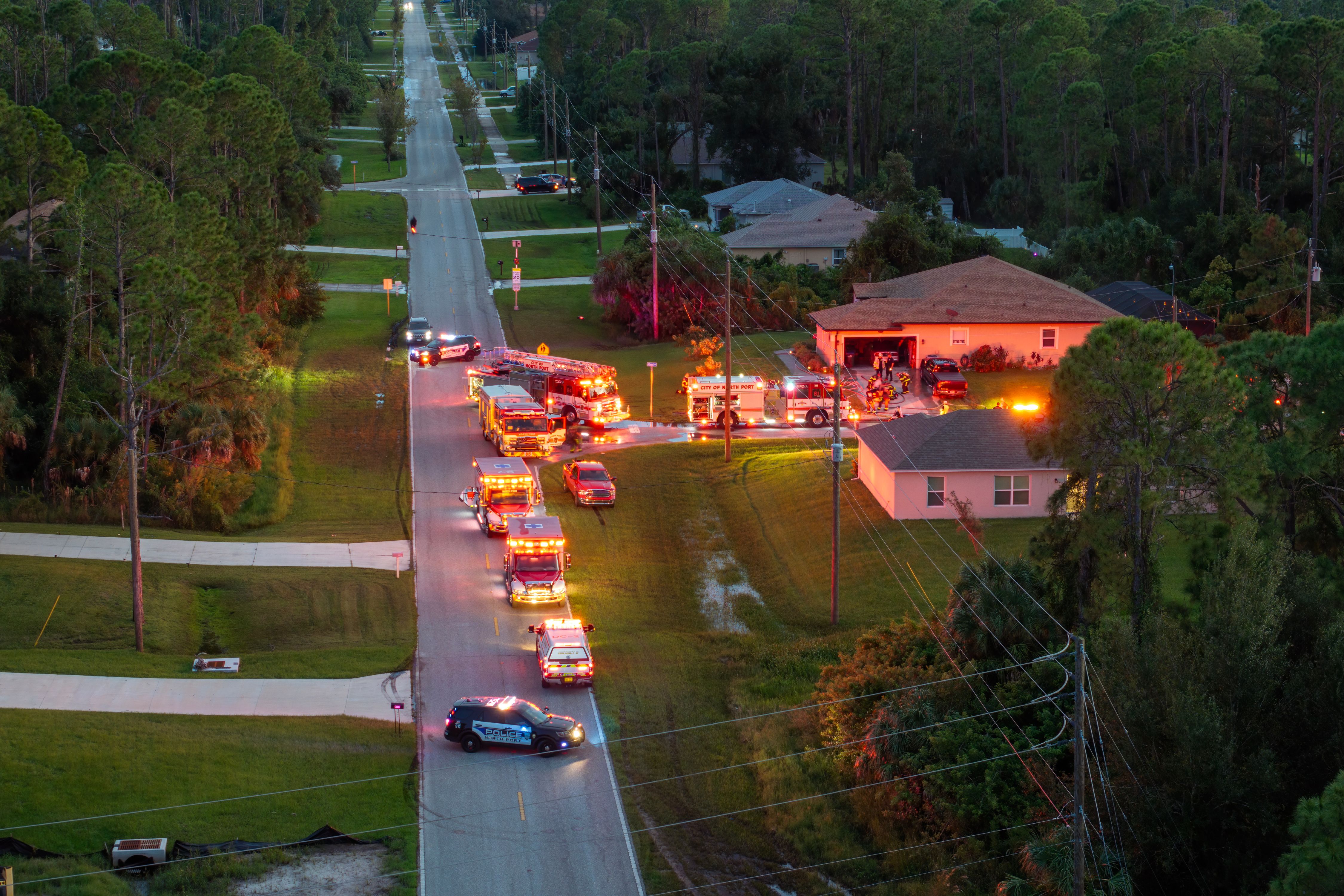
AI is also transforming emergency response strategies. With AI, buildings can be equipped with intelligent systems that detect emergencies, such as fires or gas leaks, and automatically alert emergency services. These systems can also guide occupants to safety, reducing the risk of harm during emergencies.
Enhancing Fire Safety
Fire safety is a critical aspect of building safety, and AI is playing a pivotal role in enhancing it. Advanced AI algorithms can monitor and analyze data from fire alarm systems, smoke detectors, and surveillance cameras to detect early signs of fire. This early detection allows for quicker response times, potentially saving lives and property.
The Future of AI in Building Safety
The integration of AI in architectural engineering is still evolving, and the future holds even more promise. As AI technologies continue to advance, we can expect even greater improvements in building safety. The potential for AI to revolutionize the industry further underscores the importance of continued investment and innovation in AI applications.
In conclusion, the latest AI applications in architectural engineering are significantly transforming building safety. From design and construction to maintenance and emergency response, AI is enhancing the safety and resilience of buildings, promising a safer future for all.