
Preparing High-Rise Buildings for Hurricane Season: A Structural Assessment Checklist


As hurricane season approaches, the need to ensure that high-rise buildings are adequately prepared becomes increasingly critical. A thorough structural assessment can make all the difference in protecting both the building and its occupants. Here, we provide a comprehensive checklist to help you prepare your high-rise building for the upcoming hurricane season.
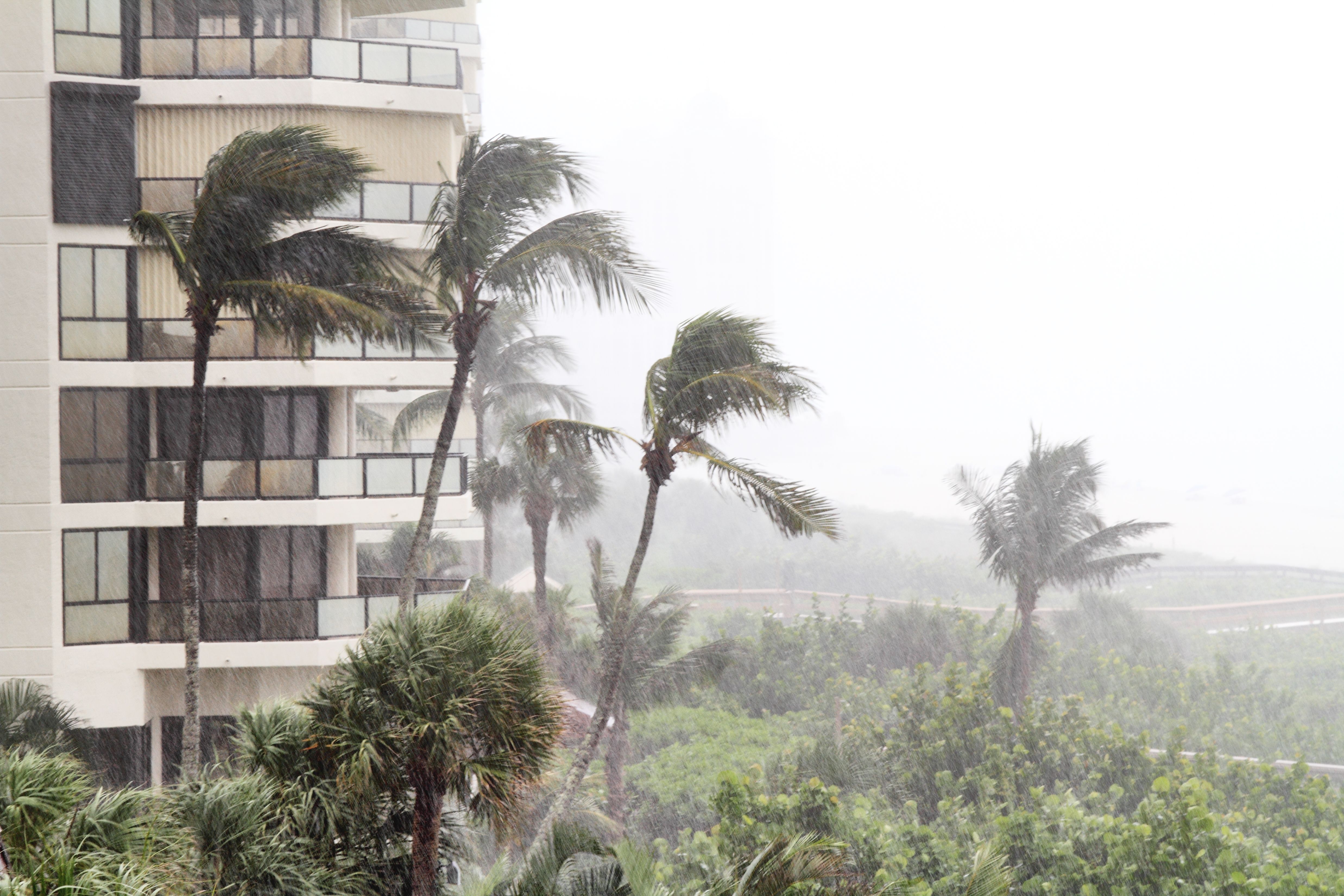
Understanding the Risks
High-rise buildings face unique challenges during hurricanes, including strong winds and flying debris. It's crucial to understand these risks to implement effective countermeasures. Begin by identifying the building's vulnerabilities such as large windows or exposed rooftops.
Consult with structural engineers to evaluate the building's design and materials. They can provide insights into potential weak points and suggest ways to fortify the structure. Additionally, review historical data of past hurricanes in the area to better understand what to expect.
Inspecting Structural Integrity
Begin with a detailed inspection of the building's structural integrity. Key areas to focus on include:
- Foundation stability
- Wall strength
- Roof condition
Ensure that there are no existing damages or weaknesses that could be exacerbated by hurricane conditions. Repair any cracks or leaks in the building's exterior to prevent water intrusion and structural deterioration.

Securing Windows and Doors
Windows and doors are often the most vulnerable points during a hurricane. Verify that all windows and doors are hurricane-rated and properly sealed. Consider installing storm shutters or impact-resistant glass for added protection.
Check that all seals are intact and replace any damaged weather stripping to prevent rain from entering the building. Reinforce entry points with additional locking mechanisms to withstand high winds.
Roof and Exterior Maintenance
The roof is a critical component that requires special attention. Regular maintenance can help avoid catastrophic failures during a hurricane. Ensure that the roof is properly anchored and free of debris.
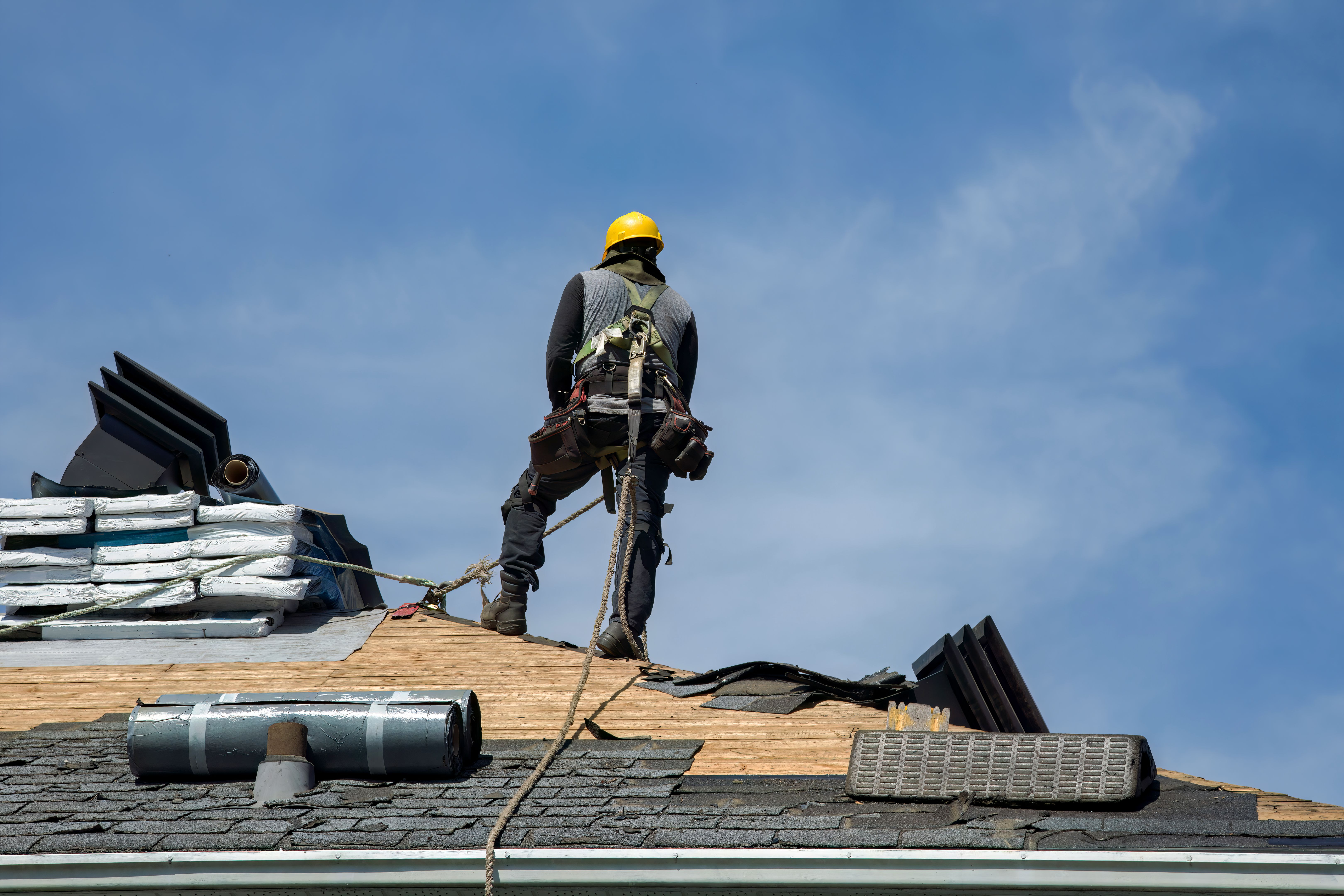
Inspect rooftop equipment, such as HVAC units, to ensure they are securely fastened. Loose equipment can become hazardous projectiles in high winds. Additionally, examine exterior cladding and repair any damages to prevent water infiltration.
Emergency Preparedness Plan
Having a well-developed emergency preparedness plan is essential. This plan should include evacuation routes, shelter-in-place protocols, and communication strategies. Ensure that all building occupants are familiar with these procedures.
Install backup power systems to maintain essential functions in case of power outages. Ensure that emergency supplies such as water, food, and first aid kits are readily available for occupants.
Regular Drills and Training
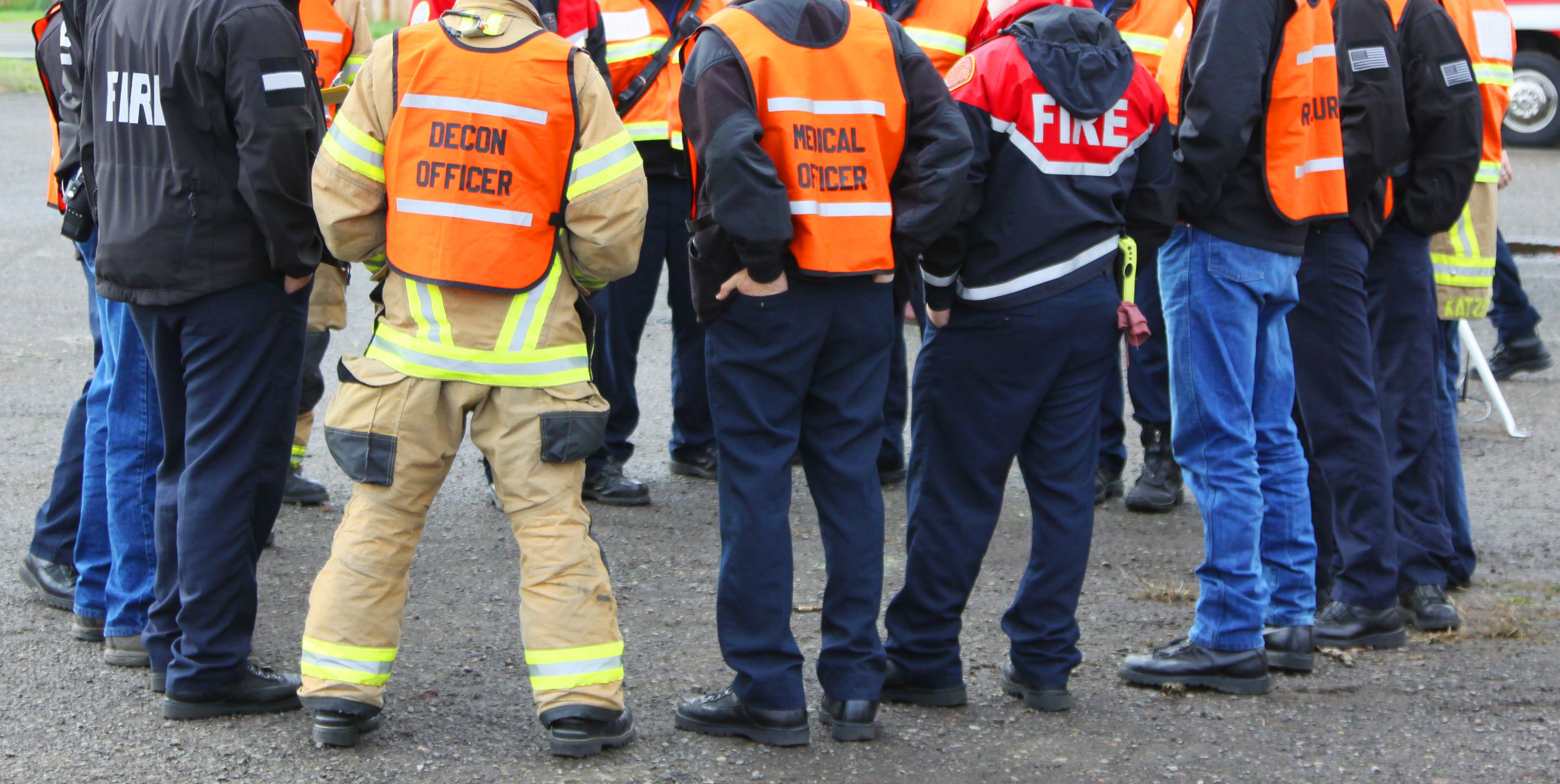
Conduct regular drills to ensure that everyone knows their role during an emergency. These drills help identify potential gaps in the emergency plan and provide an opportunity to refine procedures.
Training sessions should cover the use of emergency equipment and the location of emergency exits. Building staff should be trained to assist occupants and coordinate with emergency services.
In conclusion, preparing a high-rise building for hurricane season requires a proactive approach. By following this structural assessment checklist, you can enhance the resilience of your building and ensure the safety of its occupants. Regular maintenance and preparedness can make a significant difference in mitigating the impacts of a hurricane.