
Preparing High-Rise Buildings for Hurricane Season: A Comprehensive Guide


Understanding the Threat
Living or working in a high-rise building during hurricane season can be daunting. These towering structures are particularly vulnerable due to their height and exposure to high winds. Understanding the unique challenges they face is the first step in preparing effectively for a hurricane.
High-rise buildings are more susceptible to wind pressure and debris impact. Their height makes them prone to swaying, which can cause structural damage. It's crucial to assess these risks and prepare accordingly to ensure safety and minimize damage.
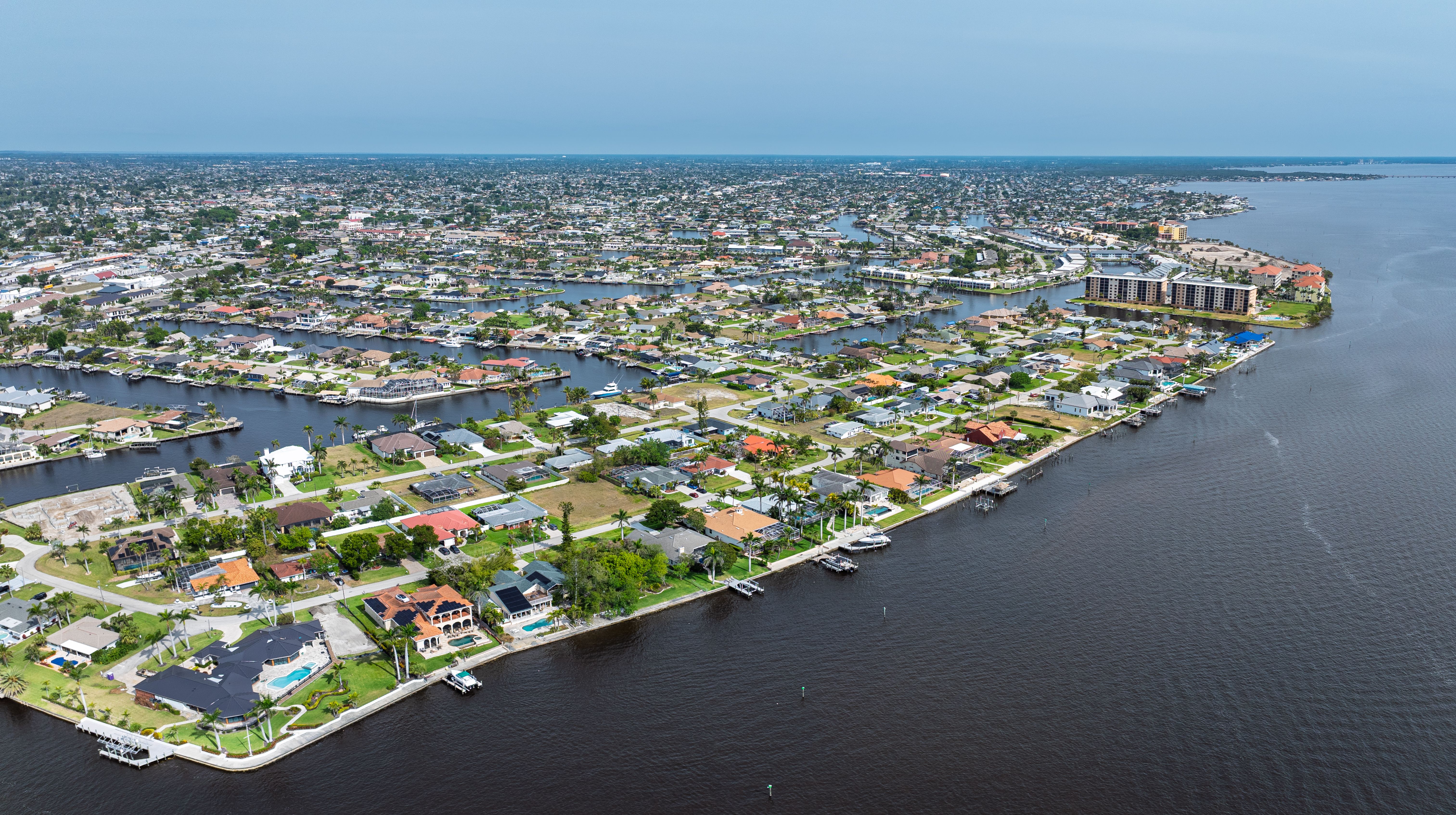
Conducting a Risk Assessment
Before the hurricane season begins, conduct a comprehensive risk assessment. This involves evaluating the building's structure, windows, and emergency systems. Identify areas that need reinforcement or repair and address them promptly.
Check the building's wind and impact resistance ratings. Understand how your building is designed to handle extreme weather and where its vulnerabilities lie. Consulting with structural engineers can provide insights into necessary improvements.
Strengthening Windows and Doors
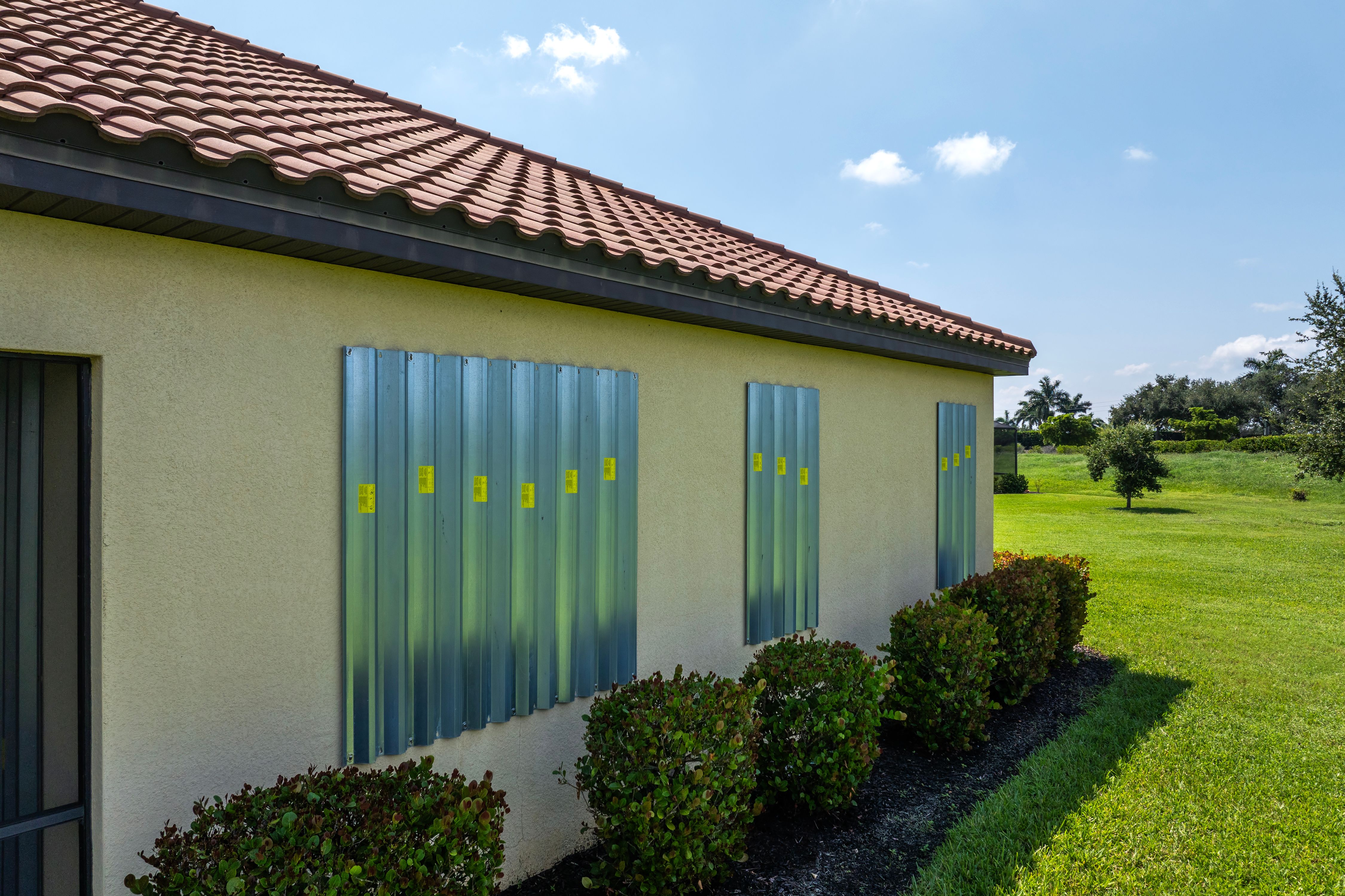
Windows and doors are the most vulnerable parts of a high-rise building during a hurricane. Installing storm shutters or impact-resistant glass can significantly reduce the risk of damage. Regularly inspect these areas to ensure they are in good condition.
Consider applying protective films on windows to prevent shattering. Reinforcing doors with heavy-duty deadbolts and braces can also enhance security against strong winds.
Ensuring Emergency Preparedness
Emergency preparedness is critical in high-rise buildings. Develop a clear evacuation plan and ensure all residents or employees are familiar with it. Conduct regular drills to practice safe evacuation procedures.
Equip the building with emergency supplies such as flashlights, batteries, and first-aid kits. Ensure that emergency exits and stairwells are clearly marked and free of obstructions.
Maintaining Communication Systems
Reliable communication is essential during a hurricane. Ensure all communication systems, including intercoms and emergency radios, are functioning correctly. Establish a communication plan to keep everyone informed during an emergency.
Consider having backup power sources for communication devices to ensure they remain operational even during a power outage.
Reviewing Insurance and Legal Considerations
Review your insurance policies to ensure adequate coverage for hurricane-related damages. Understand the specific terms and conditions, and consider additional coverage if necessary.
Familiarize yourself with local regulations regarding hurricane preparedness and building codes. Ensure compliance to avoid legal issues and enhance safety measures.
Community Cooperation
Preparing a high-rise building for hurricane season requires cooperation among all residents or tenants. Organize meetings to discuss preparedness plans and encourage participation in drills and risk assessments.
Community cooperation can lead to more efficient resource sharing and a stronger support network during emergencies. Encourage open communication and collaboration to enhance overall safety.

Regular Maintenance and Inspections
Regular maintenance and inspections are essential to ensure the building's readiness for hurricane season. Keep roofs, gutters, and drainage systems clear of debris to prevent water accumulation and potential flooding.
Schedule regular inspections of structural elements and emergency systems. Address any identified issues promptly to maintain the building's integrity and safety.