
Predictive Maintenance for High-Rise Buildings: A Comprehensive Guide


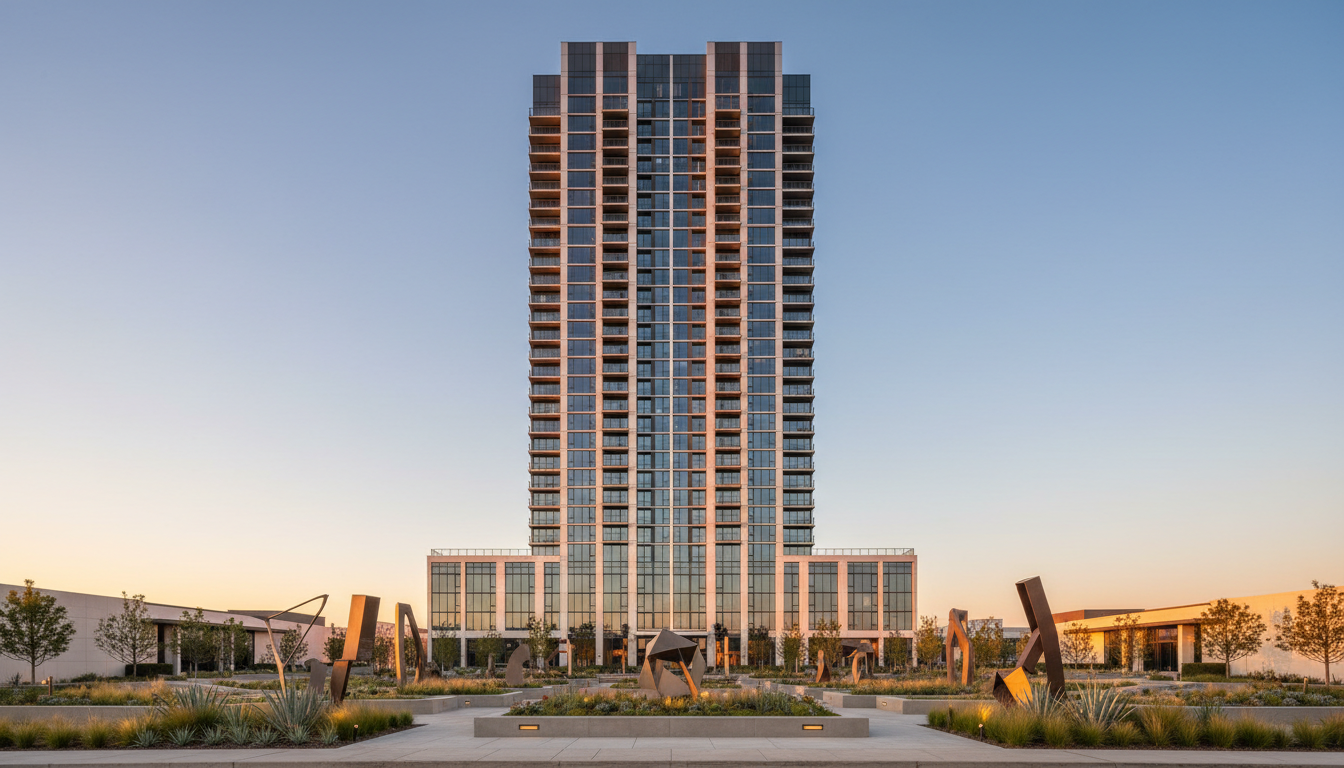
As urban landscapes continue to evolve, the demand for high-rise buildings is on the rise. These architectural marvels require meticulous maintenance to ensure safety and efficiency. Enter predictive maintenance, a forward-thinking approach that leverages technology to anticipate and address issues before they become costly problems. In this guide, we delve into how predictive maintenance is transforming the management of high-rise buildings.
Understanding Predictive Maintenance
Predictive maintenance involves the use of data analytics and IoT (Internet of Things) technology to predict when equipment failure might occur. This proactive strategy allows for timely interventions, minimizing downtime and repair costs. By analyzing trends and patterns, building managers can schedule maintenance activities precisely when needed.
The Benefits of Predictive Maintenance
One of the primary advantages of predictive maintenance is cost savings. By avoiding unexpected breakdowns, high-rise buildings can significantly reduce repair expenses. Additionally, this approach enhances operational efficiency, as maintenance is performed only when necessary, rather than on a fixed schedule.
Another crucial benefit is improved safety. Predictive maintenance helps identify potential hazards before they become critical, ensuring the safety of building occupants. Moreover, it contributes to sustainability by extending the lifespan of equipment and reducing waste.
Implementing Predictive Maintenance in High-Rise Buildings
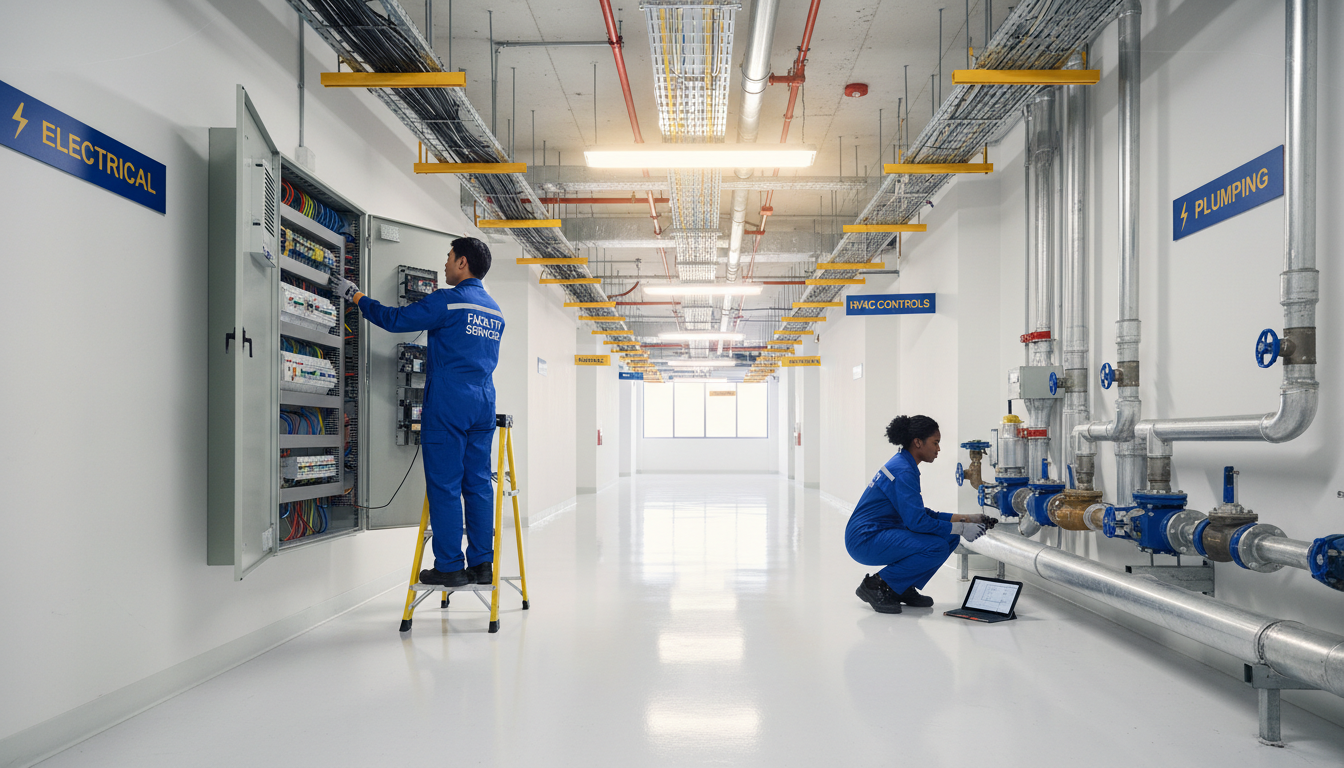
To successfully implement predictive maintenance, high-rise buildings need to integrate various technologies. Sensors and IoT devices are essential for collecting real-time data from building systems. This data is then analyzed using advanced algorithms to predict maintenance needs.
Steps to Get Started
- Assessment: Evaluate current maintenance practices and identify areas where predictive maintenance can be applied.
- Technology Integration: Install sensors and IoT devices to monitor critical systems and collect data.
- Data Analysis: Use software tools to analyze data and develop predictive models.
- Action Plan: Develop a maintenance schedule based on predictive insights.
Challenges and Considerations
While predictive maintenance offers numerous benefits, it also presents some challenges. Initial setup costs for technology and training can be high. Additionally, building managers need to ensure data security and privacy, as sensitive information is collected and analyzed.
Future Trends in Predictive Maintenance
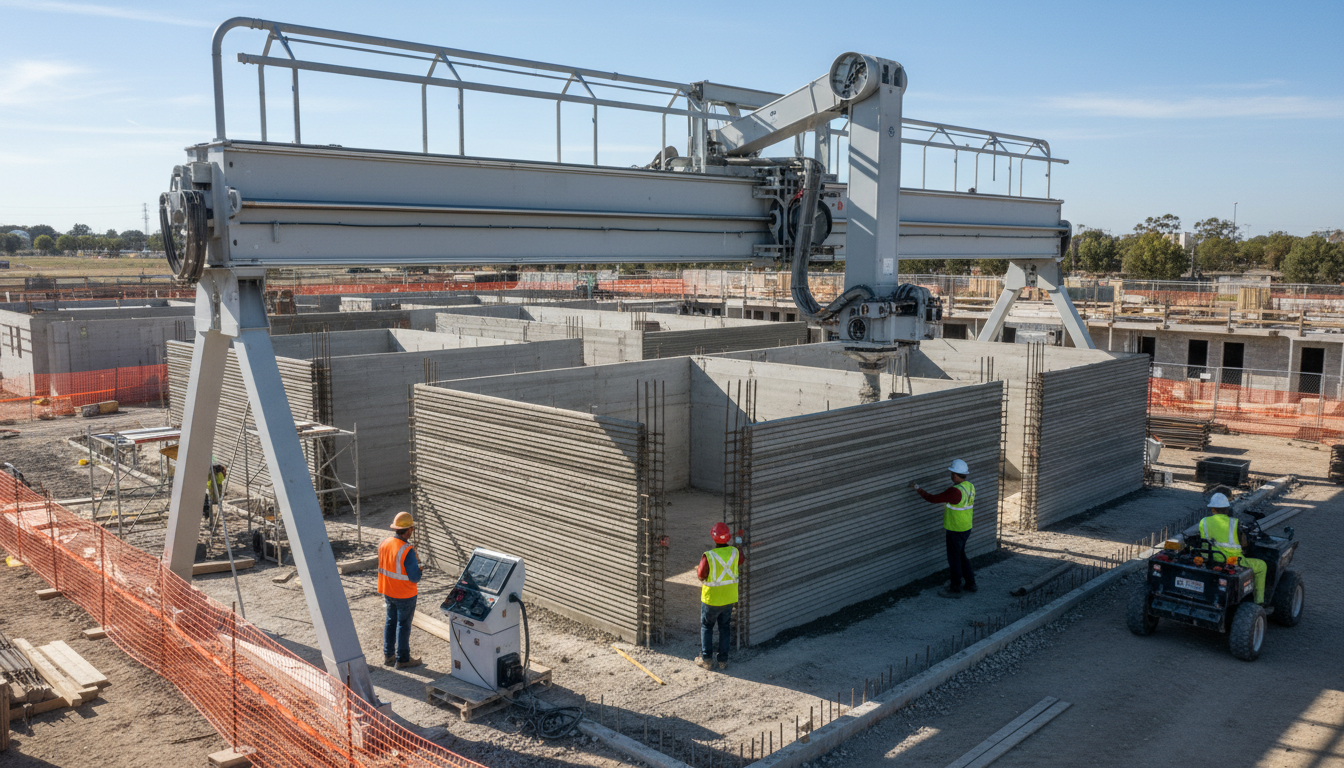
As technology continues to advance, predictive maintenance will become even more sophisticated. The integration of artificial intelligence and machine learning will enhance the accuracy of predictions, leading to even greater efficiency and cost savings. Building managers should stay informed about these trends to leverage the full potential of predictive maintenance.
In conclusion, predictive maintenance is revolutionizing the way high-rise buildings are maintained. By embracing this innovative approach, building managers can ensure safer, more efficient, and cost-effective operations, setting a new standard for urban living.