
Predictive Maintenance: Preventing Structural Issues Before They Start


Understanding Predictive Maintenance
Predictive maintenance is a proactive approach that leverages data analysis and real-time monitoring to predict when equipment failures might occur. By anticipating structural issues before they start, businesses can significantly reduce downtime and maintenance costs. This innovative method is transforming industries by enabling more efficient and effective maintenance strategies.
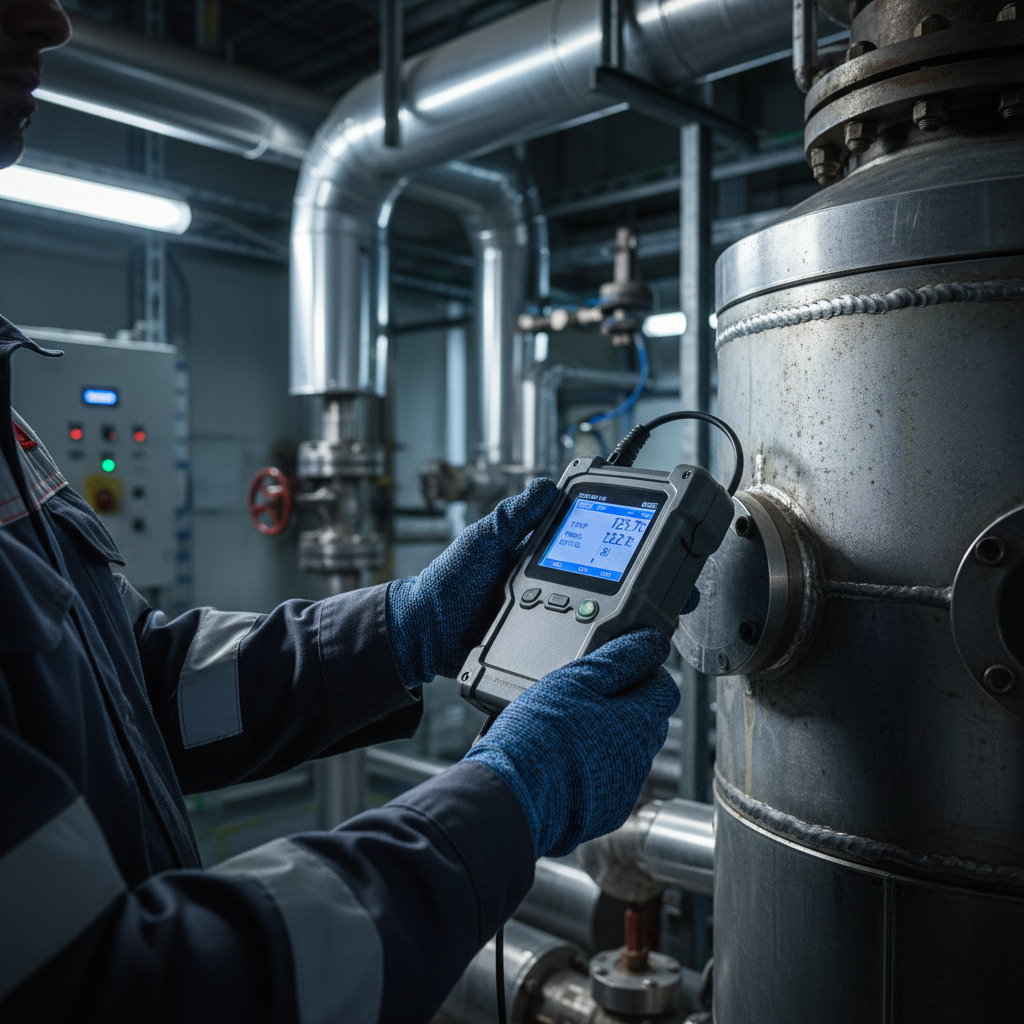
Traditionally, maintenance was either reactive, fixing issues after they occurred, or preventive, based on scheduled intervals. Predictive maintenance, however, uses advanced technologies such as IoT sensors, machine learning, and AI to predict failures, allowing for timely interventions.
The Technology Behind Predictive Maintenance
At the heart of predictive maintenance is data collection. IoT sensors placed on equipment collect vast amounts of data, including temperature, vibration, and pressure. This data is then analyzed using sophisticated algorithms to identify patterns that indicate potential failures.
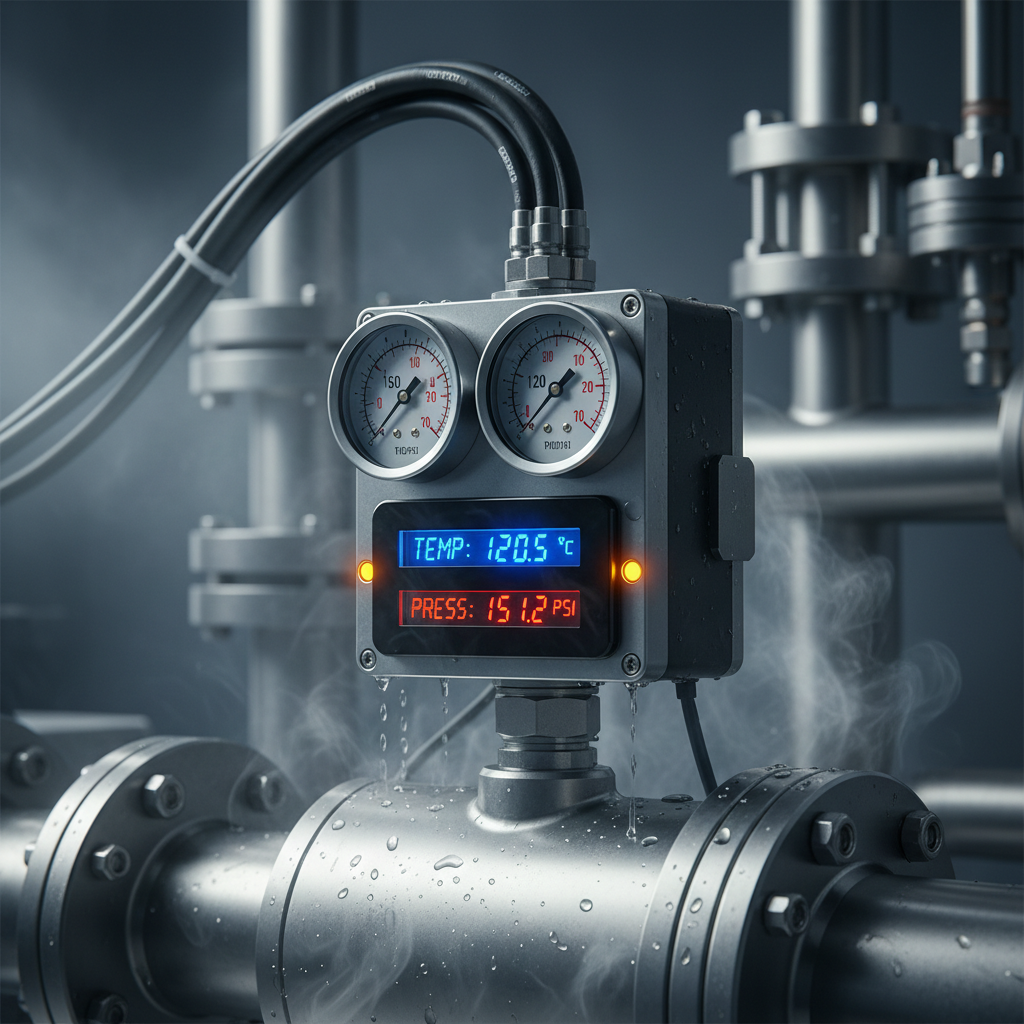
Machine learning models are trained to recognize these patterns, providing insights into when and where maintenance is needed. This approach not only extends the lifespan of equipment but also optimizes maintenance schedules, ensuring resources are used efficiently.
Benefits of Implementing Predictive Maintenance
Predictive maintenance offers numerous benefits. One of the most significant advantages is cost savings. By addressing issues before they escalate, businesses can avoid costly repairs and replacements. Additionally, this approach reduces unexpected downtime, improving productivity and operational efficiency.
- Reduced maintenance costs
- Minimized downtime
- Extended equipment lifespan
- Improved safety
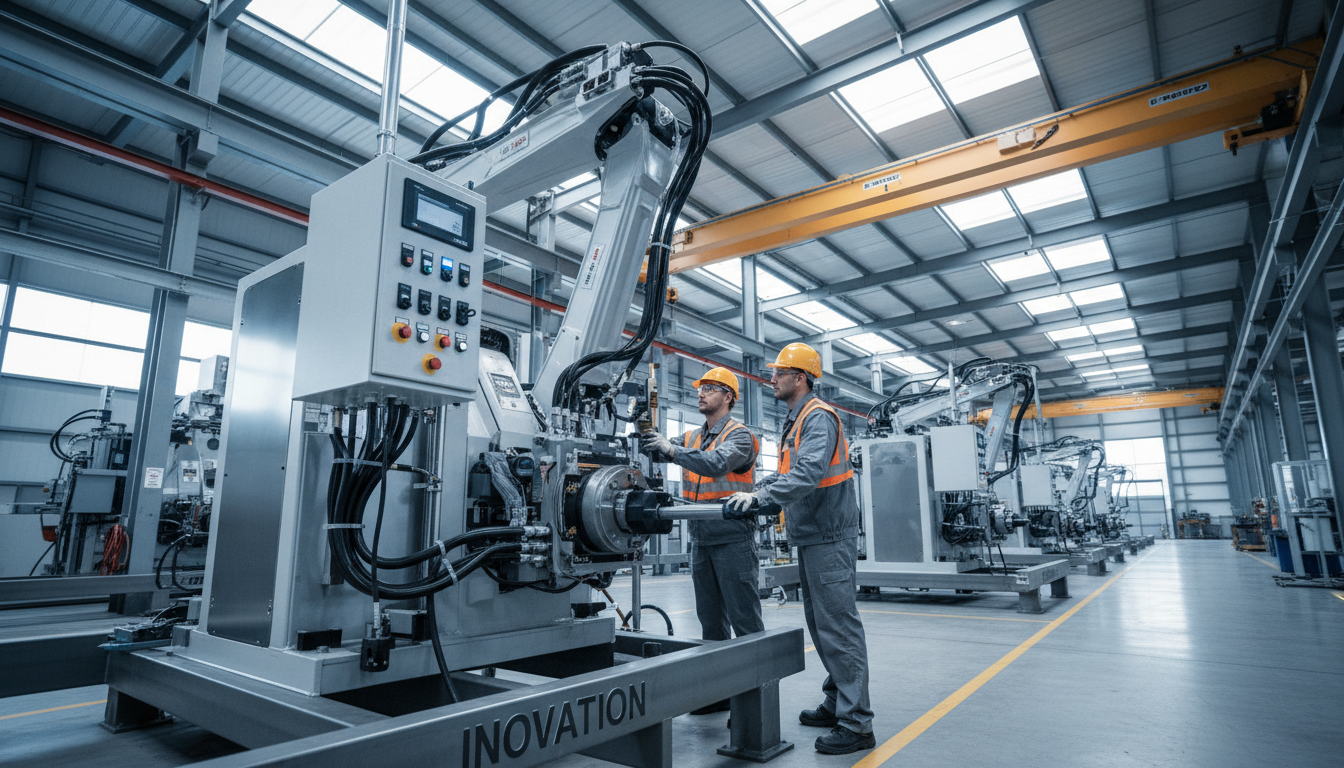
Moreover, predictive maintenance enhances safety by preventing catastrophic equipment failures. By ensuring that machinery operates within optimal parameters, the risk of accidents and injuries is significantly reduced.
Industries Benefiting from Predictive Maintenance
Various industries are reaping the benefits of predictive maintenance. In manufacturing, it ensures that production lines run smoothly without interruptions. In the oil and gas sector, it prevents leaks and spills by monitoring pipeline integrity. The transportation industry uses it to keep vehicles in top condition, ensuring safety and reliability.
Additionally, facilities management companies utilize predictive maintenance to enhance the longevity of building systems, such as HVAC and elevators, providing a seamless experience for occupants.
Challenges and Considerations
While predictive maintenance offers numerous advantages, its implementation comes with challenges. Integrating new technologies with existing systems can be complex and may require significant investment in both time and resources. Additionally, data management is crucial, as the accuracy of predictions depends on the quality of the data collected.

Businesses must also consider the need for skilled personnel who can interpret data and manage predictive maintenance systems. Training and development are essential to fully leverage the potential of this approach.
The Future of Predictive Maintenance
The future of predictive maintenance looks promising, with advancements in AI and machine learning continually enhancing its capabilities. As technology evolves, predictive maintenance will become more accessible and cost-effective for businesses of all sizes.
Ultimately, embracing predictive maintenance is not just about preventing issues; it's about creating a more efficient, safe, and sustainable operational environment. In a world where efficiency is key, predictive maintenance stands out as a vital tool for businesses looking to stay ahead.