
LiDAR Technology: A Game-Changer for High-Rise Inspections


Understanding LiDAR Technology
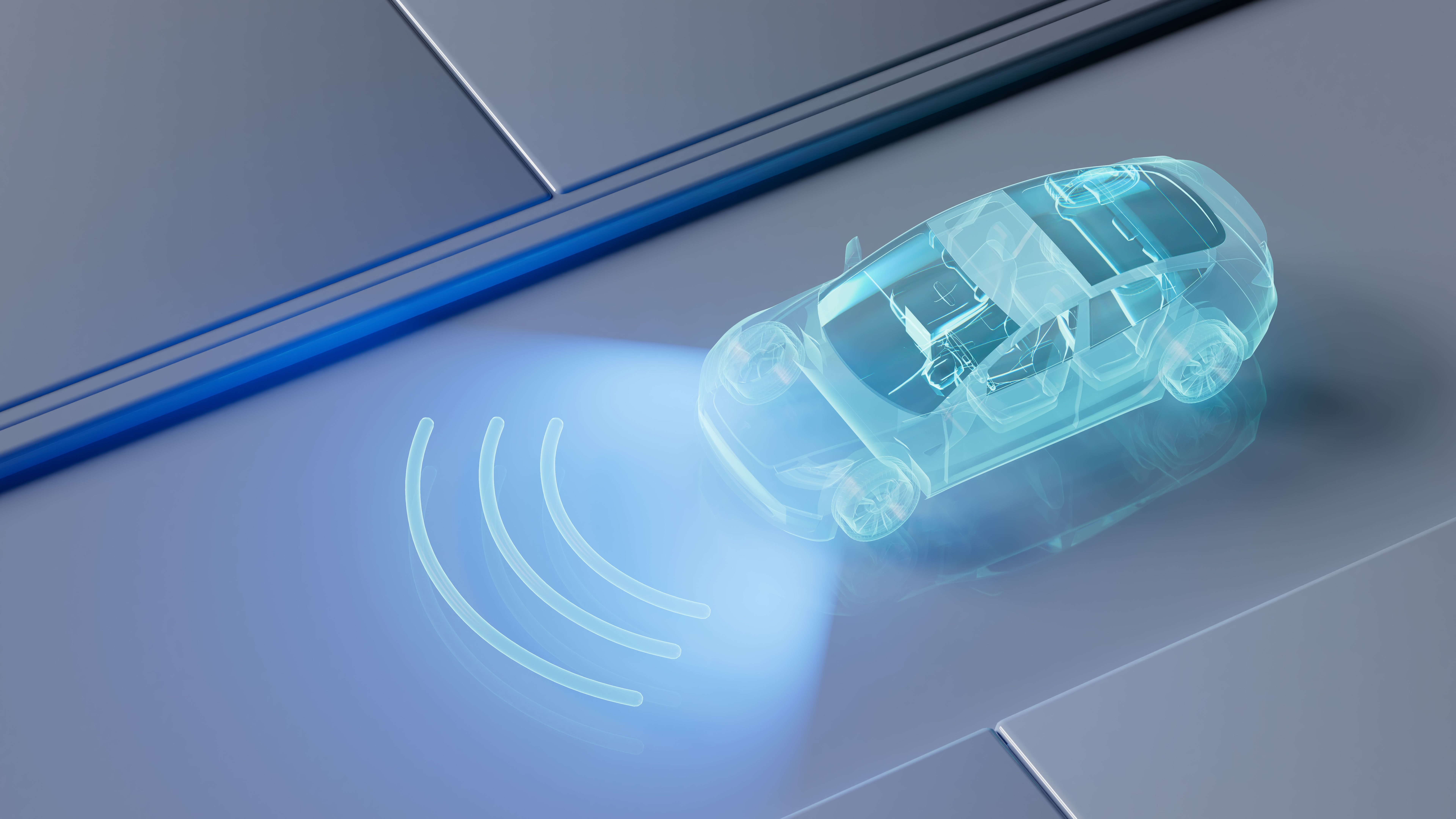
LiDAR, which stands for Light Detection and Ranging, is an innovative remote sensing technology that uses laser light to measure distances. By emitting laser pulses and calculating the time it takes for them to return after hitting an object, LiDAR creates precise, three-dimensional information about the shape and surface characteristics of structures. This technology is revolutionizing various industries, including construction and building inspections.
The Role of LiDAR in High-Rise Inspections
High-rise buildings present unique challenges when it comes to inspections. Traditional methods can be time-consuming and often require significant manpower and safety measures. LiDAR technology offers a solution by providing detailed and accurate data quickly and efficiently. With LiDAR, inspectors can identify structural issues, such as cracks or misalignments, without the need for physical contact or scaffolding.
Benefits of LiDAR for Inspections
There are several advantages to using LiDAR technology for high-rise inspections:
- Accuracy: LiDAR provides precise measurements that can detect even the smallest deviations in a building's structure.
- Efficiency: Data collection is faster compared to traditional methods, reducing the time required for inspections.
- Safety: By eliminating the need for inspectors to physically access dangerous areas, LiDAR enhances safety.
Applications Beyond Inspections
While LiDAR is a game-changer for high-rise inspections, its applications extend beyond this. Architects and engineers use LiDAR data for planning and design purposes, ensuring compliance with building codes and optimizing structural integrity. Additionally, LiDAR can assist in monitoring a building's health over time, allowing for proactive maintenance and repairs.
Urban Planning and LiDAR
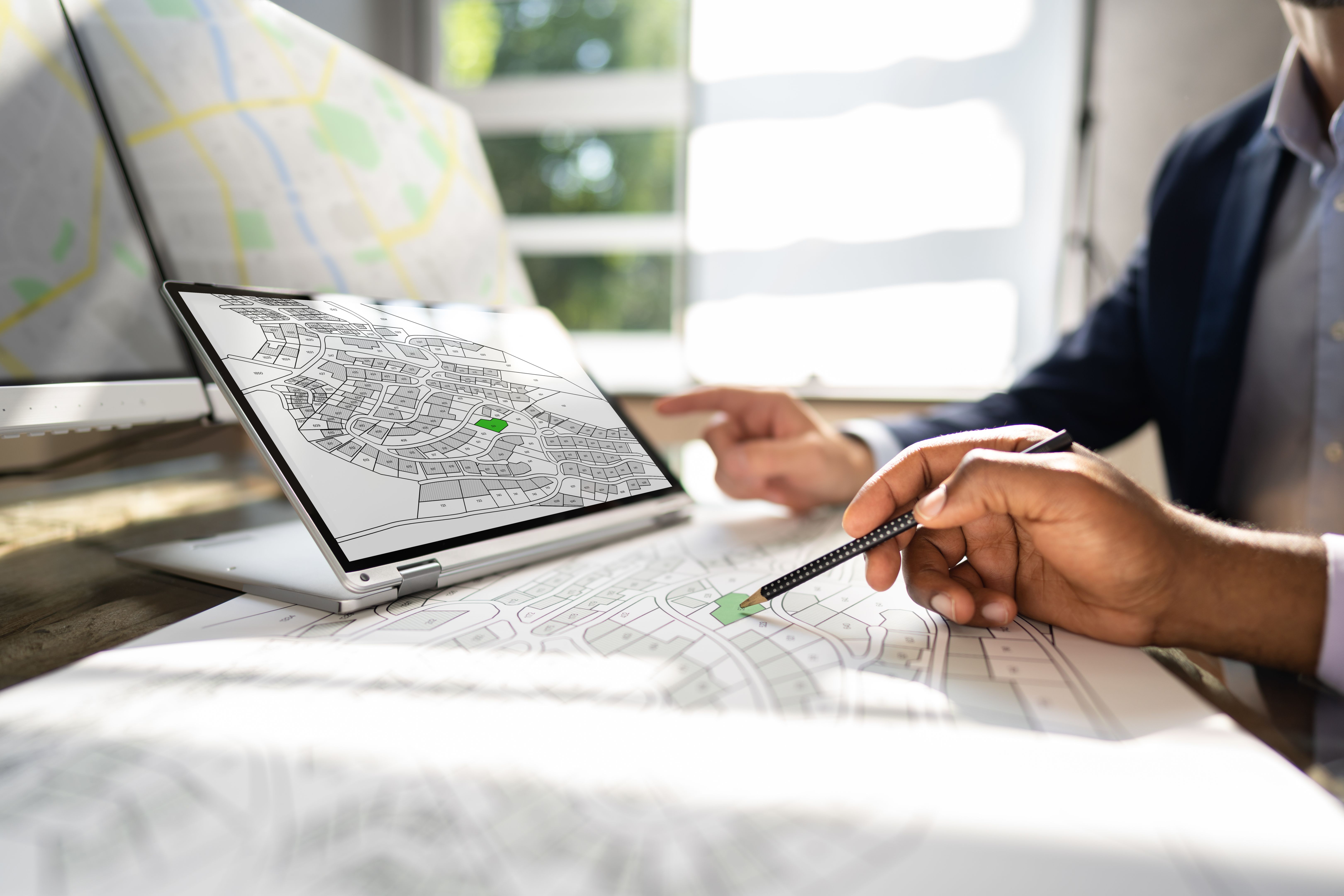
In urban planning, LiDAR technology helps create detailed city models, contributing to more informed decision-making processes. By understanding the spatial relationships between buildings, planners can design cities that are more sustainable and efficient. Moreover, LiDAR data aids in disaster management, providing critical information for emergency response strategies.
The Future of LiDAR in Construction
As technology advances, the potential applications of LiDAR in construction continue to grow. Integration with other technologies, such as drones and AI, is making LiDAR even more powerful. These innovations promise to streamline construction processes, enhance safety protocols, and improve the overall quality of buildings.
Challenges and Considerations
Despite its many benefits, the adoption of LiDAR technology in high-rise inspections does come with challenges. The initial cost of equipment and the need for skilled operators can be barriers for some companies. However, as the technology becomes more widespread, costs are expected to decrease, making it more accessible.
LiDAR technology is undeniably a game-changer for high-rise inspections and beyond. Its ability to provide accurate, efficient, and safe data collection makes it an invaluable tool in the modern construction industry. As it continues to evolve, LiDAR is set to redefine how we approach building inspections and urban planning.