
Leveraging LiDAR Technology for Accurate Structural Assessments


Understanding LiDAR Technology
LiDAR, which stands for Light Detection and Ranging, is a remote sensing technology that uses laser pulses to measure distances. By calculating the time it takes for the laser to return, LiDAR creates detailed, three-dimensional maps of the environment. This technology has become invaluable in various fields, including environmental monitoring, archaeology, and, importantly, structural assessments.
The precision of LiDAR technology allows for highly accurate measurements, making it a preferred choice for assessing structural integrity. By providing a clear view of a structure's dimensions and any potential deformations, LiDAR assists engineers and architects in making informed decisions.
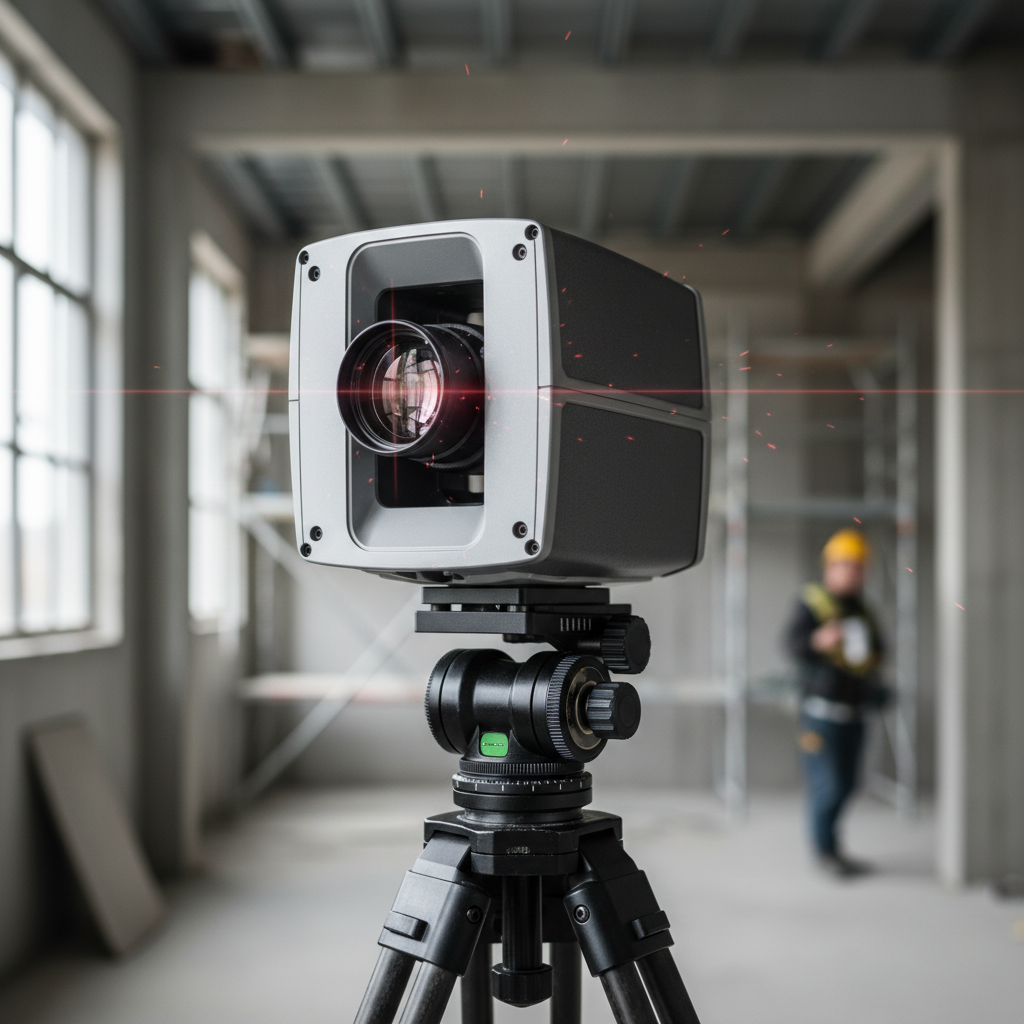
Applications in Structural Assessments
Structural assessments are crucial for ensuring the safety and longevity of buildings and infrastructure. LiDAR technology enhances these assessments by offering real-time data and detailed analysis. It can detect minute changes in a structure's shape, which may indicate potential issues or weaknesses.
For instance, in bridge inspections, LiDAR can quickly identify areas of stress or damage that might not be visible to the naked eye. This early detection can prevent costly repairs and enhance safety for users.
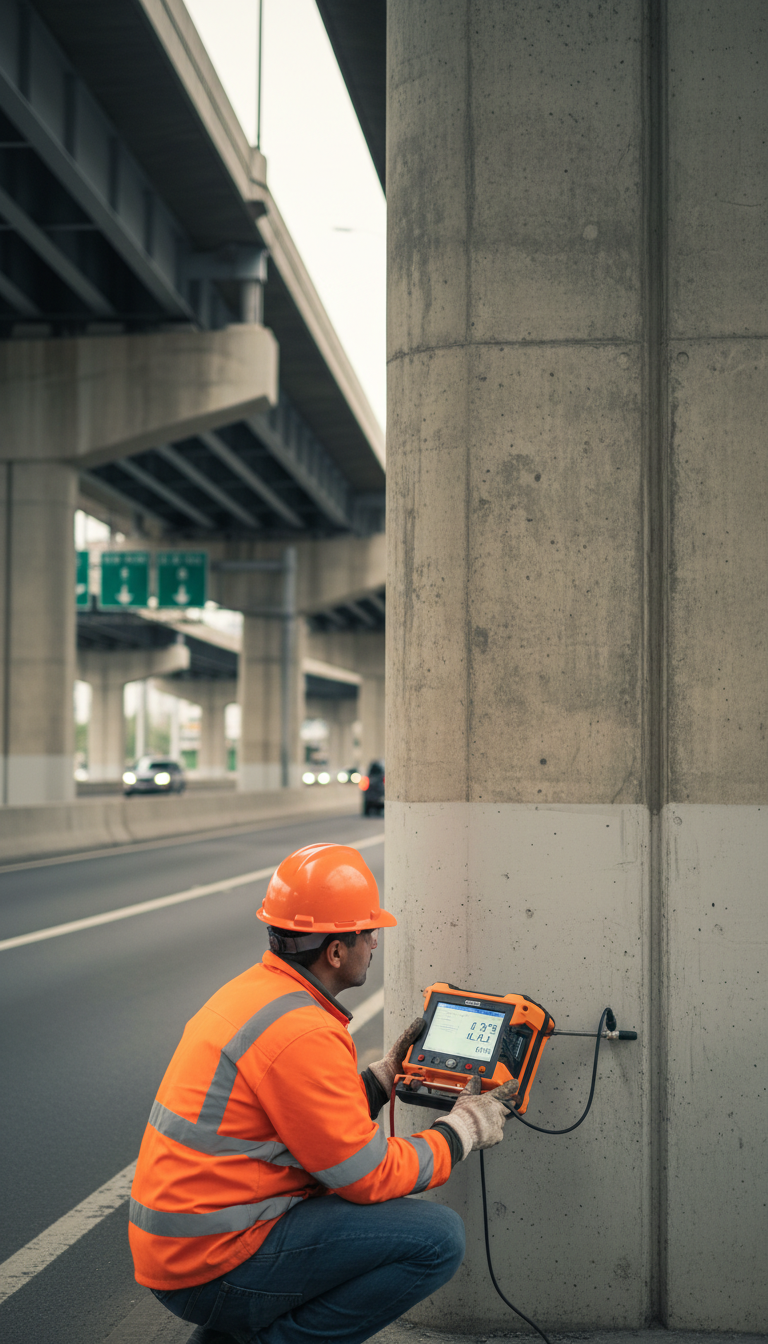
Benefits of Using LiDAR in Construction
The construction industry benefits significantly from LiDAR technology. Here are some key advantages:
- Accuracy: LiDAR provides precise measurements, reducing the margin of error in structural assessments.
- Efficiency: The speed of data collection allows for quicker assessments, saving time and resources.
- Safety: By reducing the need for manual inspections in hazardous areas, LiDAR enhances safety for workers.

Challenges and Solutions
While LiDAR technology offers numerous benefits, it also presents challenges. The initial cost of equipment and the need for specialized training can be barriers for some companies. However, as the technology becomes more widespread, costs are decreasing, and training resources are becoming more accessible.
Moreover, integrating LiDAR data with existing systems can be complex. To address this, companies are developing more user-friendly software solutions that allow seamless integration and analysis of LiDAR data.
The Future of LiDAR in Structural Assessments
As technology advances, the future of LiDAR in structural assessments looks promising. The development of more portable and affordable LiDAR systems will likely lead to increased adoption across various industries. Additionally, advancements in data processing and analysis will further enhance the accuracy and utility of LiDAR technology.
In conclusion, leveraging LiDAR technology for structural assessments offers a more accurate, efficient, and safe approach. As the technology continues to evolve, its impact on the field of construction and engineering will undoubtedly grow, paving the way for safer and more resilient infrastructure.