
Latest AI Applications in Architectural Engineering: Transforming Structural Assessments


Revolutionizing Structural Assessments with AI
The world of architectural engineering is experiencing a profound transformation, thanks to the integration of artificial intelligence (AI). This cutting-edge technology is reshaping how structural assessments are conducted, bringing unprecedented precision and efficiency to the field.
AI applications in architectural engineering are not just enhancing existing processes but are also opening new avenues for innovation. From design to construction, AI is becoming an indispensable tool for engineers and architects alike.

Streamlining Structural Analysis
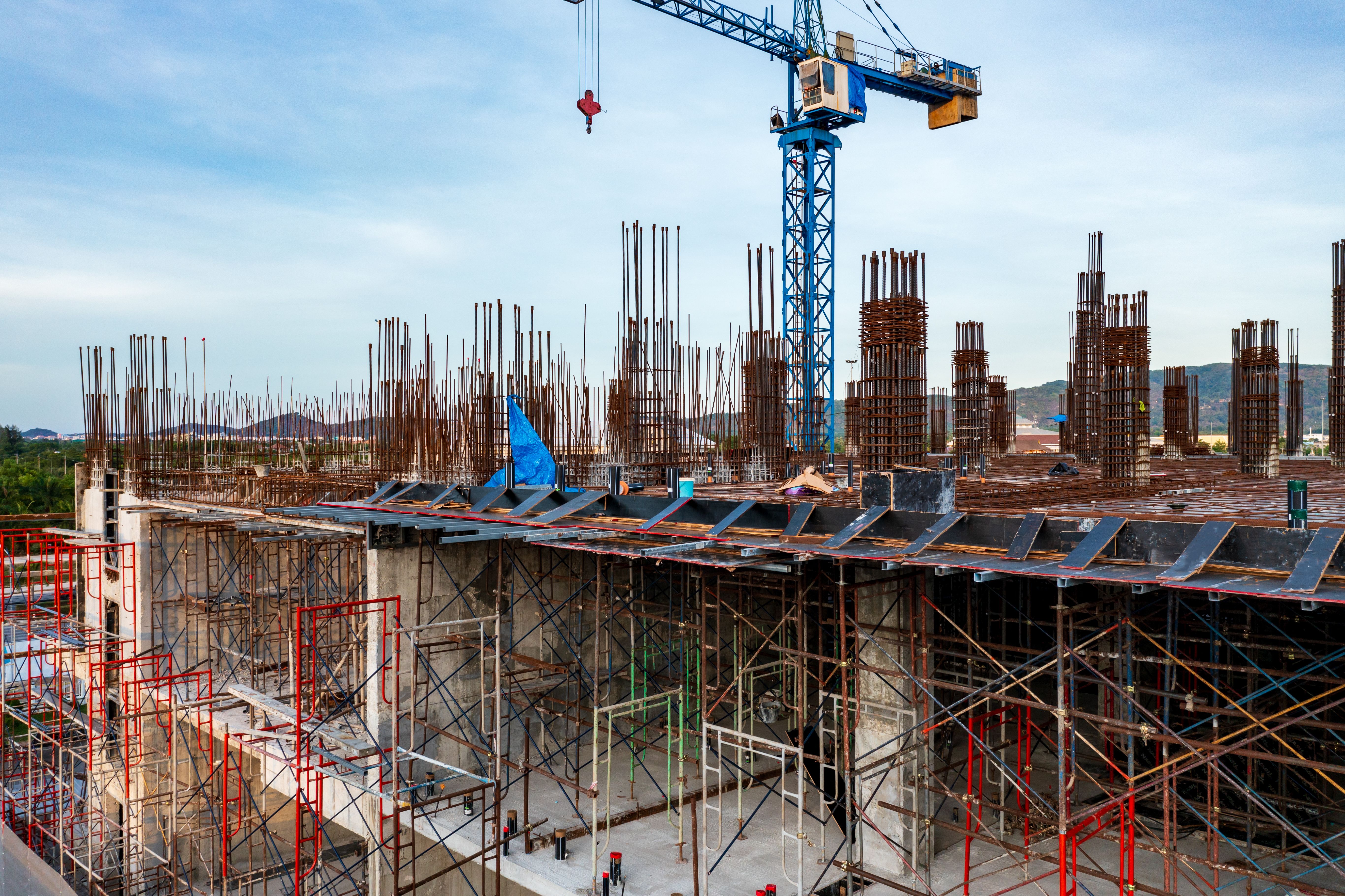
One of the most significant impacts of AI in architectural engineering is in structural analysis. AI algorithms can process vast amounts of data quickly and accurately, identifying potential structural weaknesses that might be overlooked by human inspection. This capability ensures that buildings are not only aesthetically pleasing but also safe and resilient.
AI-driven tools can simulate various environmental conditions, such as wind, seismic activity, and temperature fluctuations, to predict how structures will respond. This predictive capability allows engineers to make informed decisions and optimize designs before construction begins.
Enhancing Building Information Modeling (BIM)
Building Information Modeling (BIM) is another area where AI is making a significant impact. By integrating AI with BIM, engineers can create more accurate and detailed digital representations of buildings. This integration enables real-time updates and modifications, ensuring that the information remains relevant throughout the project's lifecycle.
AI-enhanced BIM tools provide architects with insights into material usage, cost estimations, and energy efficiency, leading to more sustainable and cost-effective designs. This technology is also beneficial for facility management, allowing for better maintenance planning and resource allocation.

Automating Routine Inspections
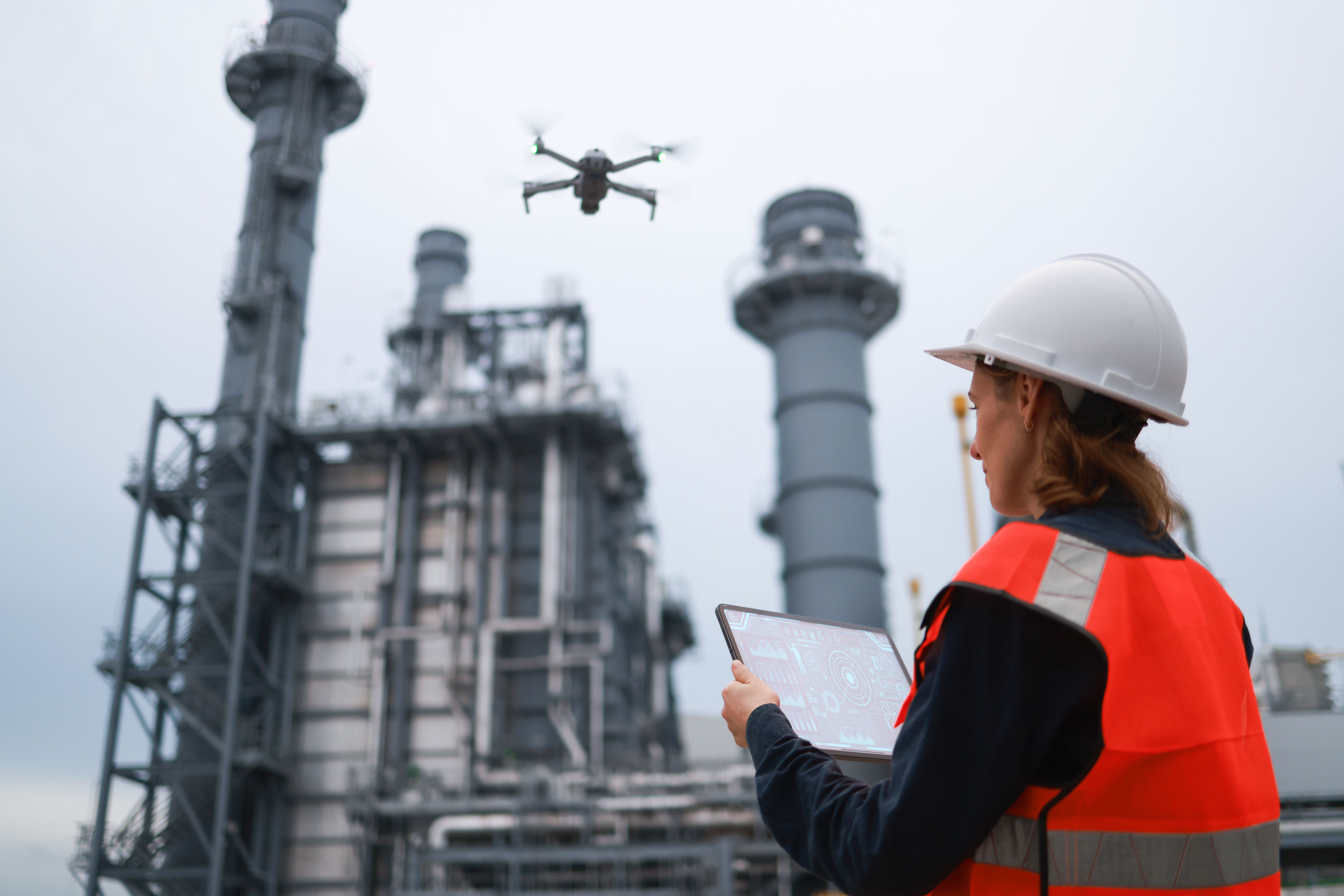
Routine inspections are a critical part of maintaining structural integrity, and AI is revolutionizing this process by automating inspections with the use of drones and computer vision. These technologies can capture high-resolution images and detect anomalies in the structure, such as cracks or deformations, without the need for manual intervention.
This automation not only saves time and reduces costs but also enhances safety by minimizing the need for human inspectors to access hazardous locations. The data collected by drones can be analyzed using AI algorithms to predict maintenance needs and prevent potential failures.
Future Prospects and Challenges
While the benefits of AI applications in architectural engineering are immense, several challenges remain. Data privacy, algorithmic biases, and the need for significant computational power are some of the hurdles that need to be addressed. However, the ongoing advancements in AI technology promise to overcome these obstacles, paving the way for even more innovative applications.
As AI continues to evolve, its role in architectural engineering will likely expand, offering new solutions and opportunities for professionals in the field. The future of structural assessments is undoubtedly bright, with AI leading the charge toward safer, more efficient, and sustainable building practices.