How LiDAR Technology Revolutionizes Structural Assessments


Understanding LiDAR Technology
LiDAR, which stands for Light Detection and Ranging, is a remote sensing technology that measures distances by illuminating a target with laser light and analyzing the reflected light. This cutting-edge technology has revolutionized various industries, including automotive, agriculture, and urban planning. In recent years, its application in structural assessments has gained significant attention.
By capturing precise 3D data, LiDAR technology provides detailed insights into the structural integrity of buildings and infrastructure. This capability makes it an invaluable tool for engineers, architects, and construction professionals.
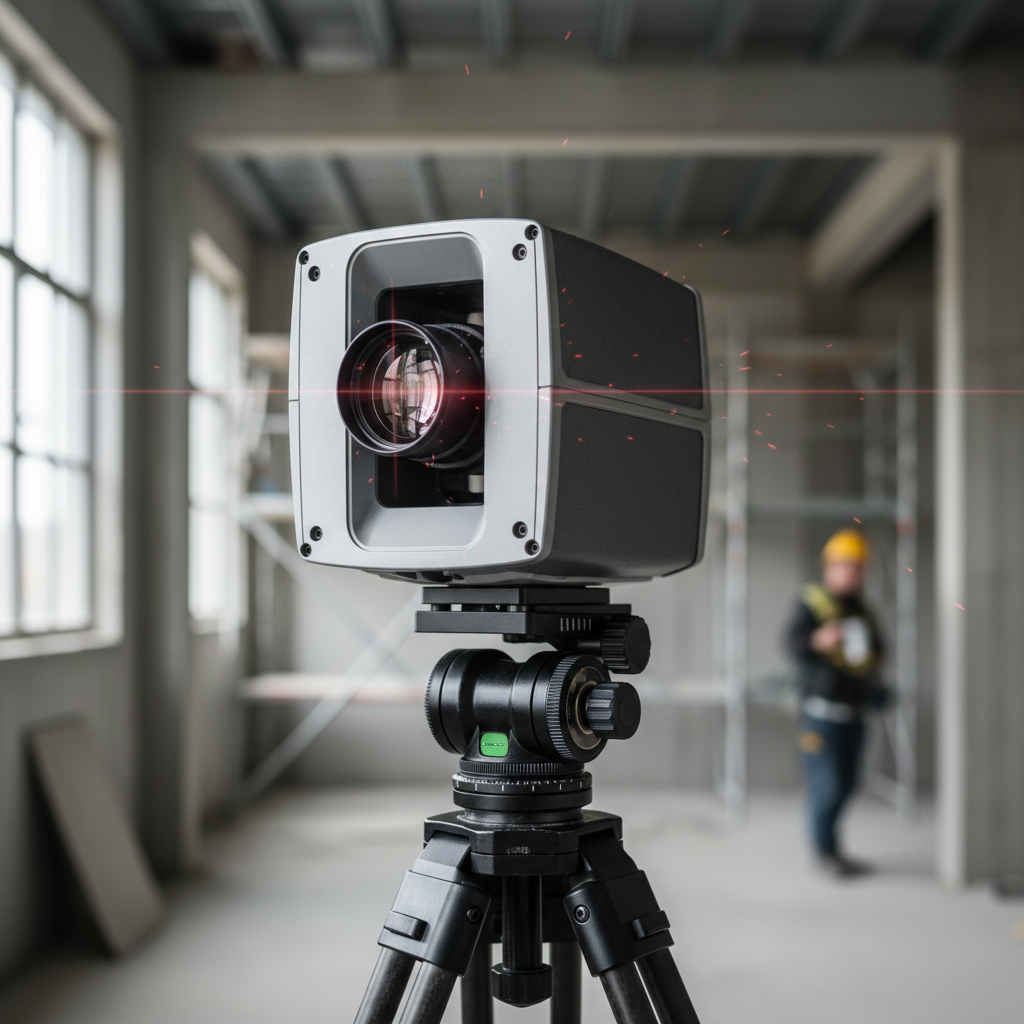
The Benefits of LiDAR in Structural Assessments
One of the key benefits of using LiDAR in structural assessments is its ability to produce accurate and high-resolution 3D models. These models provide comprehensive views of structures, allowing professionals to identify potential issues that might not be visible to the naked eye.
Furthermore, LiDAR technology can significantly reduce the time and cost associated with traditional assessment methods. By automating data collection and analysis, projects can be completed more efficiently, with fewer resources and less manual labor.

Applications in Building Inspections
LiDAR is particularly useful in building inspections. It can detect minute changes in a structure's shape or position, which are often indicators of underlying problems. For example, it can identify sagging beams, uneven surfaces, or unexpected shifts in a building's foundation.
Moreover, LiDAR is non-intrusive, meaning it can examine structures without causing any damage or disruption, making it ideal for heritage sites and older buildings that require careful handling.
Enhancing Infrastructure Monitoring
Beyond buildings, LiDAR technology is also transforming infrastructure monitoring. Bridges, tunnels, and roads can benefit from regular scans to ensure they are in good condition. This proactive approach to maintenance helps prevent accidents and extends the life of essential infrastructure.
In addition, LiDAR data can be integrated with other technologies, such as drones, to conduct assessments in hard-to-reach or hazardous areas, ensuring the safety of inspection teams.

Challenges and Considerations
Despite its advantages, there are some challenges associated with LiDAR technology. The initial investment in equipment and training can be substantial, and interpreting the data requires a certain level of expertise.
However, as technology advances and becomes more accessible, these barriers are gradually diminishing. Continuous improvements in LiDAR systems are making them more user-friendly and cost-effective.
The Future of LiDAR in Structural Assessments
The future looks promising for LiDAR technology in structural assessments. As it continues to evolve, we can expect even more precise and efficient solutions. Integration with artificial intelligence and machine learning could further enhance its capabilities, providing predictive analytics and automated reporting.
Ultimately, LiDAR is set to become an essential component of modern structural assessment practices, improving safety, efficiency, and accuracy across the industry.