
How LiDAR Technology Revolutionizes High-Rise Inspections in Florida


Introduction to LiDAR Technology
LiDAR, which stands for Light Detection and Ranging, is a remote sensing method that uses light in the form of a pulsed laser to measure variable distances to the Earth. This cutting-edge technology has been rapidly adopted across various industries, and in Florida, it is making a significant impact in the realm of high-rise inspections.
Florida, known for its iconic skyline, faces unique challenges when it comes to building inspections due to its weather conditions and high-rise density. LiDAR technology is transforming how these inspections are conducted, offering a safer, more efficient, and accurate alternative to traditional methods.
Enhanced Safety and Efficiency
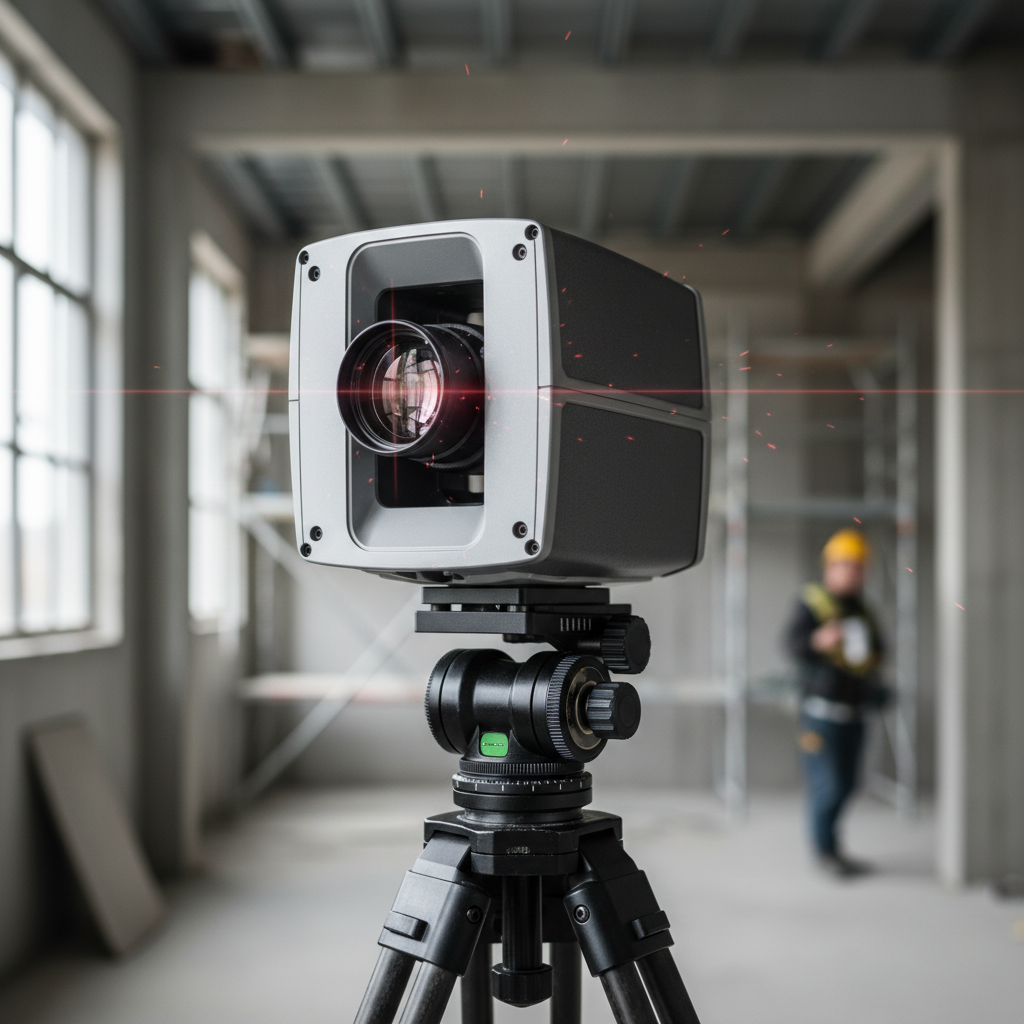
One of the primary advantages of using LiDAR technology for high-rise inspections is the enhanced safety it provides. Traditional inspections often require inspectors to work at dangerous heights, which poses significant risks. LiDAR allows for remote data collection, reducing the need for inspectors to physically access hazardous areas.
Moreover, LiDAR is incredibly efficient. It can cover large areas in a fraction of the time it would take human inspectors, allowing for quicker assessments and more frequent monitoring. This efficiency is particularly beneficial in Florida, where the weather can be unpredictable, and timely inspections are crucial.
Improved Accuracy and Data Collection
LiDAR technology offers unparalleled accuracy in data collection. It generates precise 3D models of buildings, capturing minute details that might be missed during traditional inspections. This level of detail is essential for identifying potential structural issues before they become critical problems.
In addition to accuracy, LiDAR provides comprehensive data that can be analyzed and archived for future reference. This data-driven approach helps building managers and engineers make informed decisions regarding maintenance and repairs, ultimately extending the lifespan of the structures.

Cost-Effectiveness
While the initial investment in LiDAR technology might seem significant, the long-term cost savings are substantial. By reducing the need for extensive manual labor and decreasing the risk of accidents, LiDAR can significantly lower the overall costs associated with high-rise inspections.
Furthermore, early detection of structural issues through precise LiDAR data can prevent costly repairs and extend the life of a building. This proactive approach to maintenance is particularly valuable in Florida's competitive real estate market.
Environmental Considerations
LiDAR technology also offers environmental benefits. Since it is a remote sensing method, it reduces the carbon footprint associated with traditional inspection methods that may require extensive travel and equipment. This aligns with Florida's ongoing efforts to promote sustainable practices in the real estate and construction industries.

Conclusion
In conclusion, LiDAR technology is revolutionizing high-rise inspections in Florida by providing a safer, more efficient, and cost-effective solution. Its ability to deliver accurate and comprehensive data makes it an invaluable tool for building managers and inspectors. As the technology continues to evolve, its applications in the real estate and construction industries are expected to expand, further enhancing building safety and sustainability across the state.