
How LiDAR Technology Revolutionizes Building Safety Assessments


Understanding LiDAR Technology
LiDAR, which stands for Light Detection and Ranging, is a remote sensing method that uses light in the form of a pulsed laser to measure variable distances to the Earth. This technology is transforming many industries, and building safety assessments are no exception. By providing precise and comprehensive data, LiDAR helps in identifying potential safety hazards in structures.
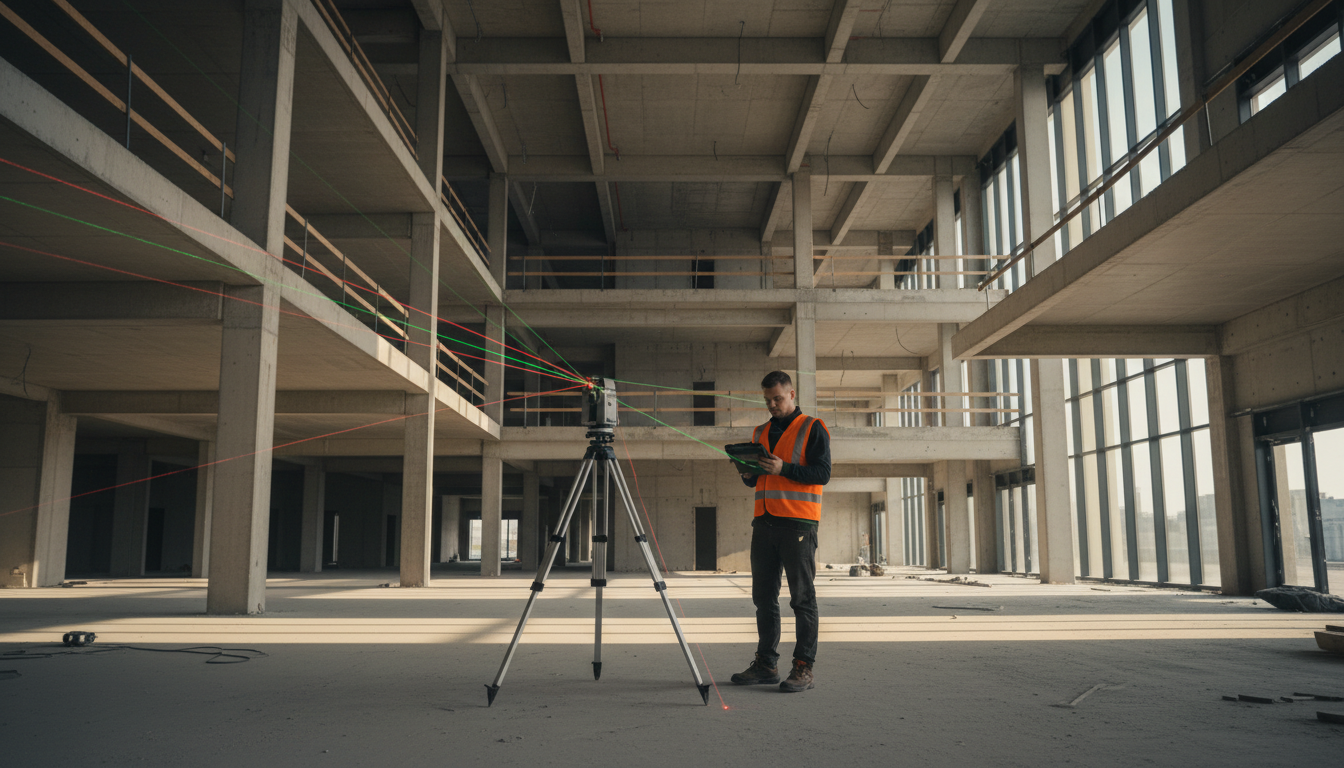
The technology works by emitting laser beams that bounce off surfaces and return to the sensor. The time it takes for the light to return is measured to calculate distances accurately. This results in a detailed 3D representation of the scanned area, allowing experts to analyze every aspect of a building's structure.
Enhancing Safety Assessments
LiDAR technology provides significant advantages over traditional methods of building safety assessment. One of the primary benefits is the ability to capture high-resolution data quickly and accurately. This allows for a more thorough analysis of a building's structural integrity. Moreover, it can detect minute details that might be missed by the human eye.
Using LiDAR, safety engineers can create detailed maps and models of a building's interior and exterior. This is particularly useful for inspecting hard-to-reach areas, such as high ceilings or complex roof structures. These detailed models help in identifying potential risks such as structural weaknesses, cracks, and other defects.

Identifying Structural Weaknesses
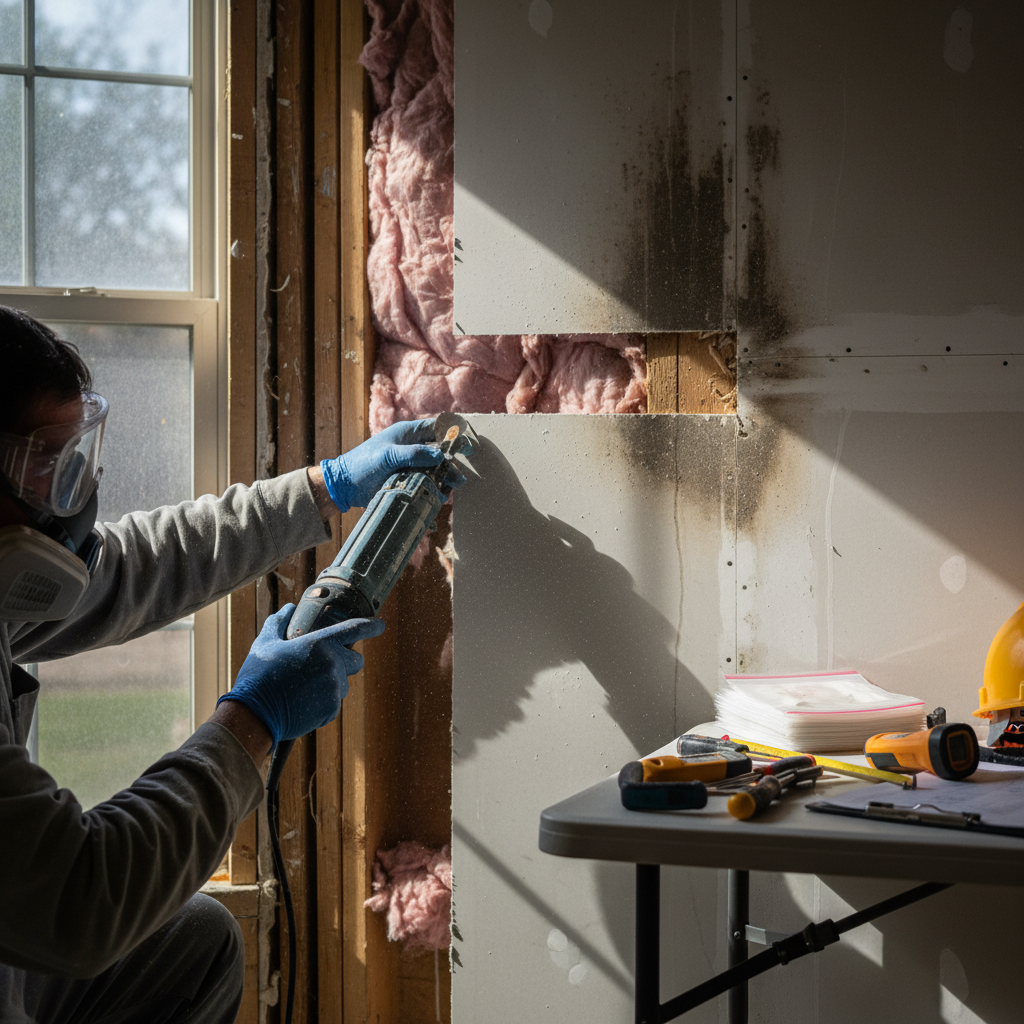
One of the most critical aspects of building safety is identifying structural weaknesses that could lead to catastrophic failure. LiDAR technology excels in this area by providing precise measurements and 3D models of buildings. These models can help engineers pinpoint areas of concern and prioritize repair efforts.
- Detecting cracks and deformations
- Assessing material degradation
- Monitoring structural changes over time
Applications in Disaster Management
In addition to regular safety assessments, LiDAR technology plays a vital role in disaster management. In the aftermath of natural disasters such as earthquakes or hurricanes, LiDAR can quickly assess damage to structures, helping emergency responders prioritize their efforts. The technology's ability to provide rapid and accurate data can save lives and reduce further damage.
Furthermore, LiDAR can assist in creating evacuation plans by mapping out safe routes and identifying potential hazards. This ensures that building occupants can evacuate safely and efficiently in an emergency.
Future Prospects of LiDAR in Building Safety
The future of LiDAR technology in building safety looks promising, with continuous advancements enhancing its capabilities. As the technology becomes more affordable and accessible, it is expected to become a standard tool in the construction and safety industries. The integration of LiDAR with other technologies, such as AI and machine learning, will further revolutionize building safety assessments.
In conclusion, LiDAR technology is transforming the way we approach building safety. Its ability to provide detailed, accurate data is invaluable in identifying and mitigating potential risks. As the technology continues to evolve, its impact on improving building safety and disaster management will undoubtedly grow.