
How LiDAR Technology Enhances Building Safety in Florida's High-Rises


Florida's iconic skyline is renowned for its high-rise buildings, which are both a testament to architectural innovation and a challenge in terms of safety. As these structures reach new heights, ensuring their safety becomes paramount. One technology that is revolutionizing building safety in Florida's high-rises is LiDAR.
Understanding LiDAR Technology
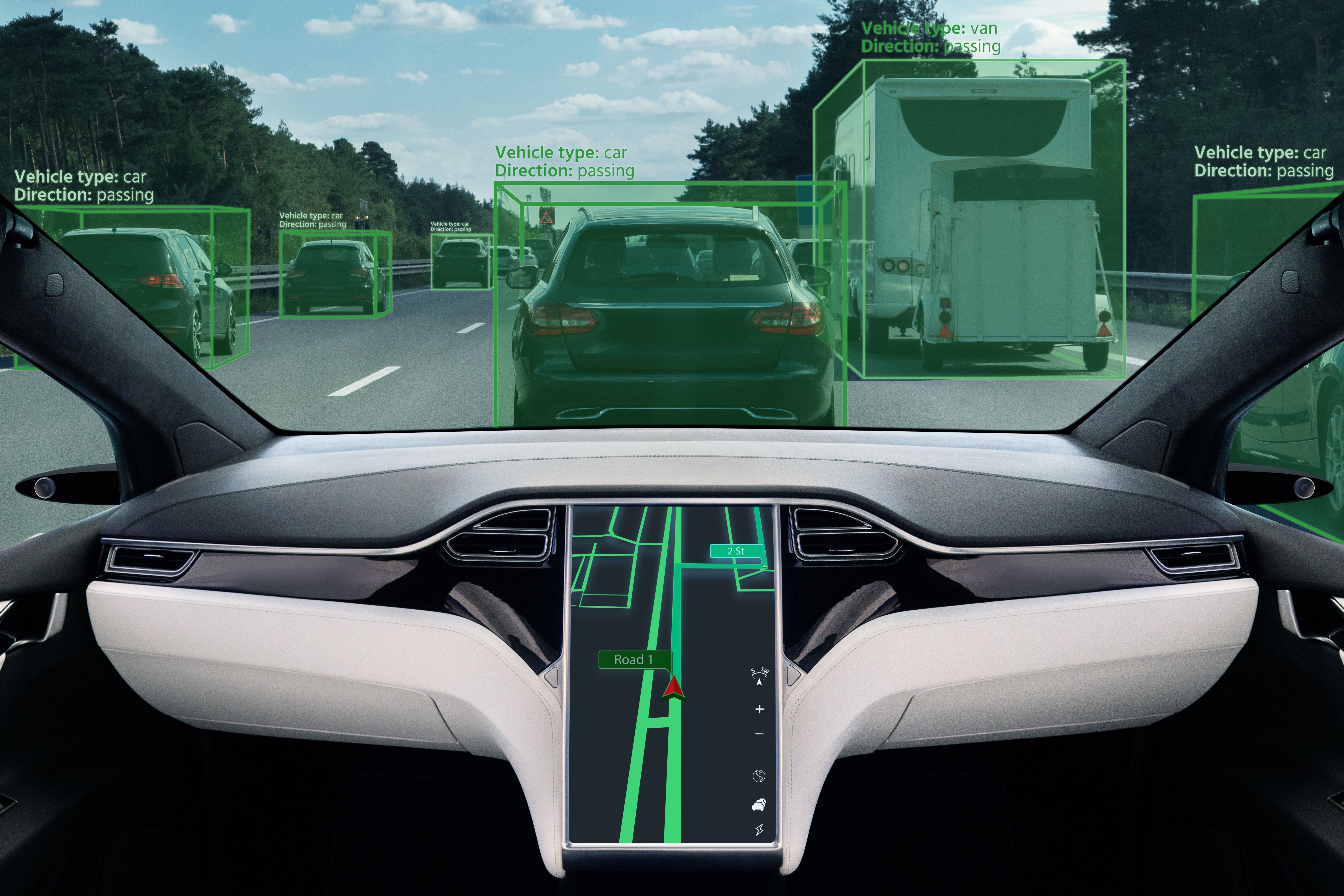
LiDAR, which stands for Light Detection and Ranging, is a remote sensing method that uses light in the form of a pulsed laser to measure distances. These light pulses, combined with other data, generate precise, three-dimensional information about the shape and surface characteristics of an object. This technology has been widely used in various fields, including topography and automotive industries, and is now making a significant impact in the construction and safety of high-rise buildings.
Precision and Accuracy
One of the primary advantages of using LiDAR in building safety is its precision. It allows for accurate mapping of a building's structural integrity, identifying potential weaknesses or flaws that might not be visible to the naked eye. This precise mapping helps in planning maintenance and repair work, ensuring that the building remains safe for its occupants.
Enhancing Structural Health Monitoring
Structural health monitoring is crucial for maintaining the safety of high-rise buildings. LiDAR technology facilitates continuous monitoring by providing real-time data on the structural condition of a building. This data can be analyzed to detect any changes or deformations that might indicate potential safety hazards.
Early Detection of Issues
By using LiDAR, engineers and architects can detect issues such as cracks or shifts in the building's structure at an early stage. Early detection is vital for preventing minor issues from escalating into significant safety concerns. This proactive approach helps in reducing maintenance costs and extending the lifespan of the building.
Improving Emergency Response
In the event of an emergency, having detailed and up-to-date information about a building's layout and structural integrity is crucial. LiDAR technology provides emergency responders with accurate 3D maps of the building, enabling them to plan and execute rescue operations more efficiently.
Facilitating Evacuations
The precision of LiDAR-generated maps ensures that emergency routes are clearly defined and accessible. This technology helps in designing effective evacuation plans, which are vital in ensuring the safety of occupants during emergencies such as fires or hurricanes.
Conclusion
As Florida continues to grow and evolve, the safety of its high-rise buildings remains a top priority. LiDAR technology is proving to be an invaluable tool in enhancing the safety and integrity of these structures. By providing precise data and supporting proactive maintenance and emergency response, LiDAR is helping to safeguard the future of Florida's skyline.