
How LiDAR Technology Enhances Building Safety in Florida


Understanding LiDAR Technology
LiDAR, which stands for Light Detection and Ranging, is a cutting-edge technology that uses laser light to measure distances. This technology is increasingly being utilized in various fields, including construction and architecture, due to its ability to provide precise 3D mapping and modeling.
In Florida, where building safety is paramount due to frequent hurricanes and severe weather conditions, LiDAR technology offers significant advantages. It enhances the safety and durability of structures by enabling more accurate assessments and planning.
Improving Structural Assessments
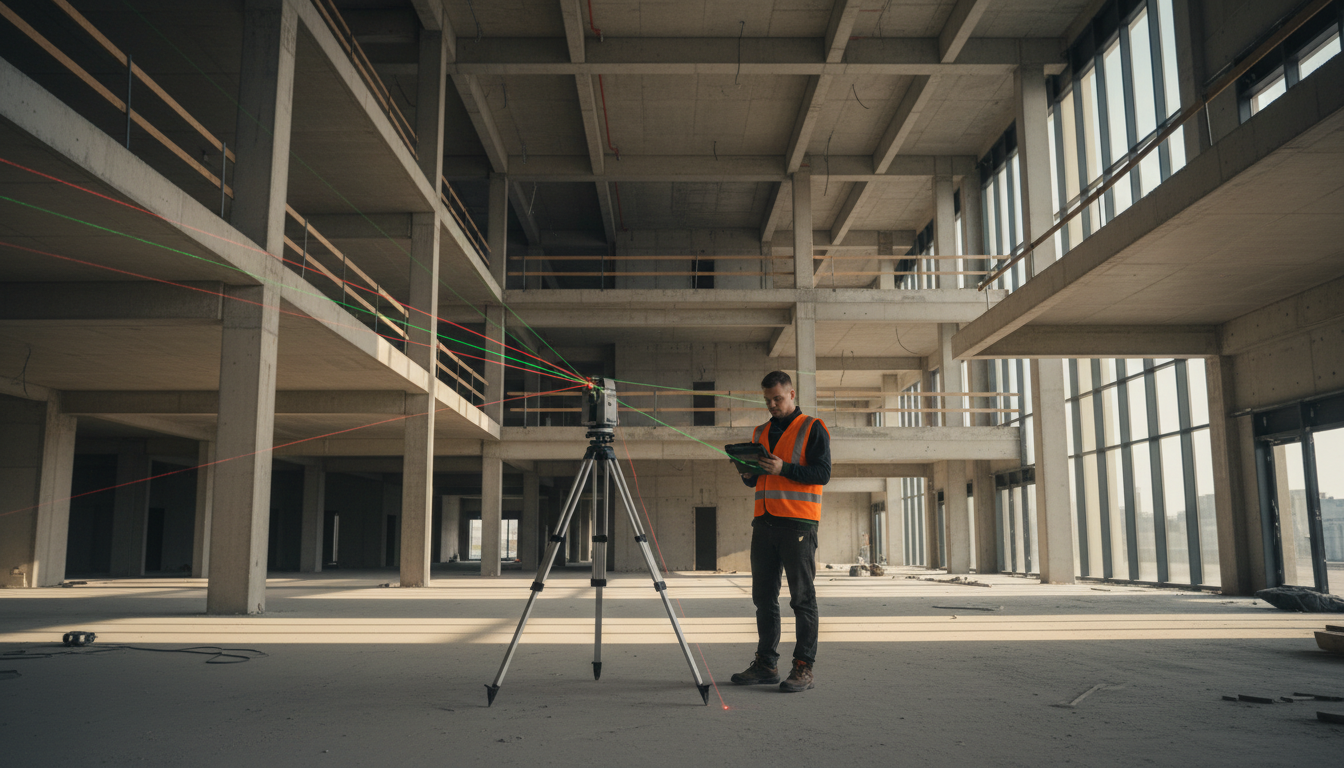
One of the primary ways LiDAR enhances building safety is through improved structural assessments. Traditional methods of surveying can be time-consuming and often lack precision. LiDAR, on the other hand, provides detailed data that allows engineers to identify potential weaknesses in a building's structure.
By using laser beams to create high-resolution maps, LiDAR can detect even minor shifts and deformations in a structure. This capability is crucial for identifying areas that may require reinforcement or repair, ensuring that buildings can withstand Florida’s challenging weather conditions.
Benefits of Accurate Data
With LiDAR technology, construction professionals can access accurate data that enhances decision-making. This data allows for the creation of more robust structures, ultimately improving safety for occupants and reducing long-term maintenance costs.
Enhancing Emergency Preparedness
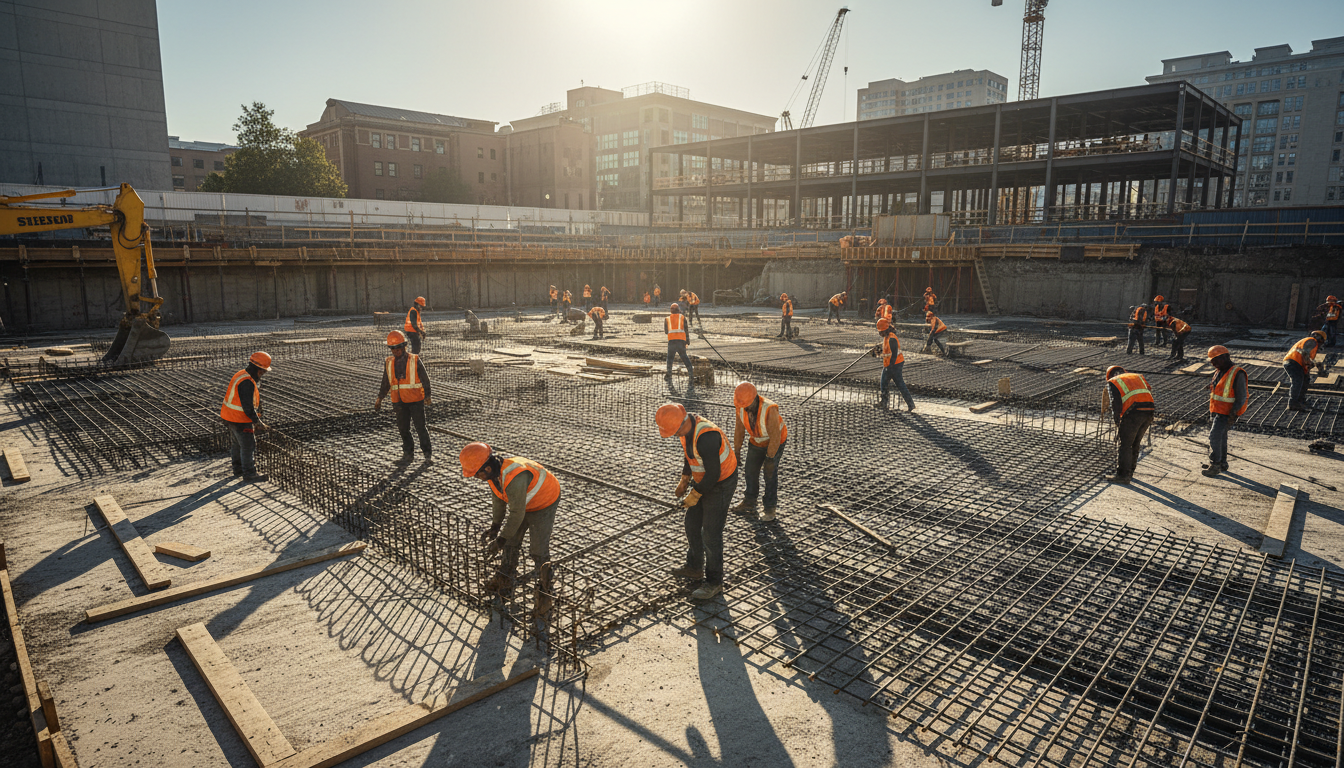
LiDAR technology also plays a vital role in emergency preparedness. By providing detailed topographical maps, it helps in planning effective evacuation routes and identifying safe zones. This is especially important in Florida, where hurricanes can lead to sudden evacuations.
Emergency services can use LiDAR data to simulate disaster scenarios, ensuring that they are well-prepared to respond quickly and efficiently. This proactive approach significantly enhances community safety and resilience.
Real-Time Monitoring
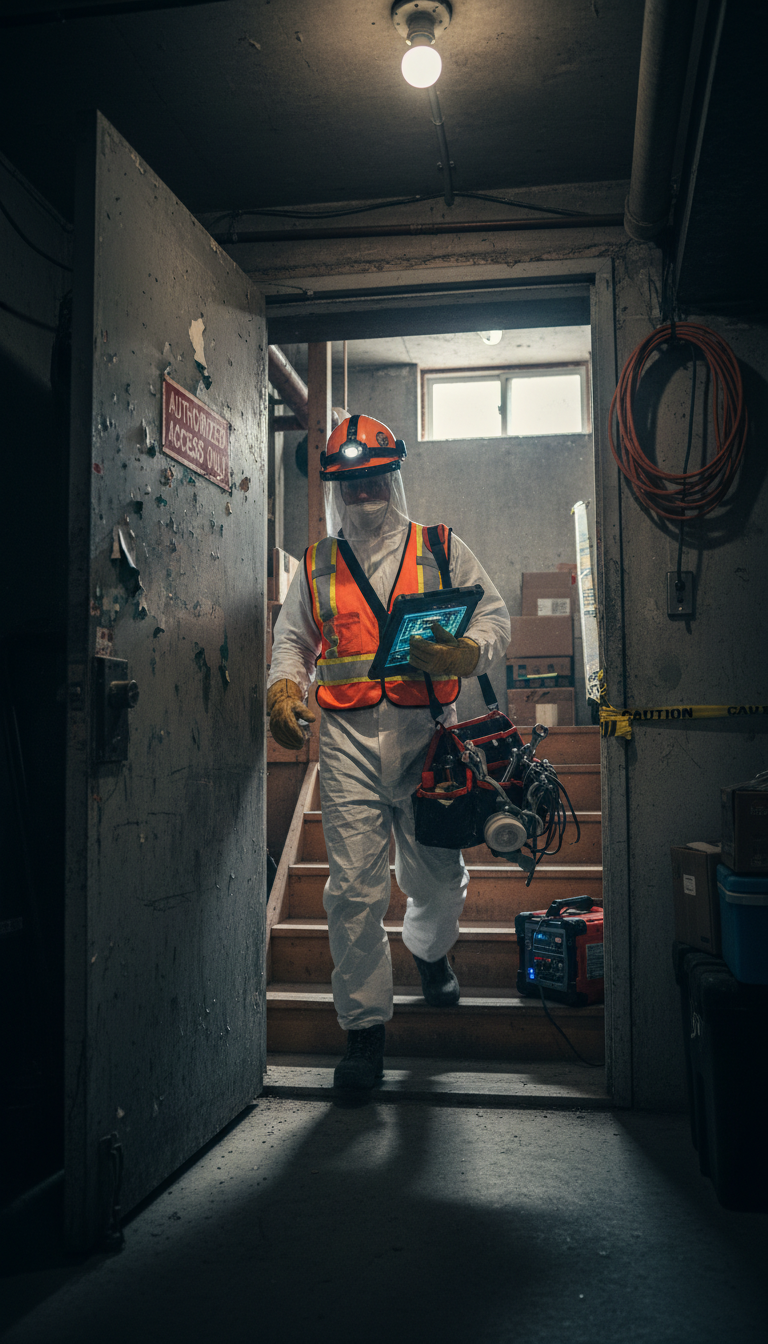
An additional benefit of LiDAR is its capability for real-time monitoring. Buildings can be equipped with LiDAR sensors to continuously monitor structural integrity. This allows for immediate detection of any changes, enabling rapid response to potential threats.
Optimizing Urban Planning
In urban planning, LiDAR provides valuable insights that aid in designing safer, more sustainable cities. In Florida, where urban development is ongoing, LiDAR data helps planners understand the landscape better, allowing for more informed decisions about where and how to build.
The ability to visualize the environment in 3D helps in identifying flood-prone areas and designing infrastructure that can better withstand natural disasters. This strategic planning is crucial for creating resilient urban environments that protect residents and property.
Conclusion: A Safer Future with LiDAR
LiDAR technology is revolutionizing the way we approach building safety in Florida. By offering precise and comprehensive data, it empowers engineers, architects, and urban planners to create safer, more resilient structures and communities.
As this technology continues to evolve, its applications in building safety are expected to expand, offering even greater protection against the challenges posed by Florida’s unique environment. Embracing LiDAR is a proactive step towards ensuring a safer future for all.