
How AI Structural Vision Uses LiDAR Technology for Accurate Building Assessments


Understanding AI Structural Vision
Artificial Intelligence (AI) is revolutionizing the way we approach building assessments. With the integration of LiDAR technology, AI structural vision systems can now provide more accurate and detailed analyses of structures. This advancement is transforming industries by enhancing safety, efficiency, and cost-effectiveness.

LiDAR, which stands for Light Detection and Ranging, uses laser light to measure distances. When combined with AI, it enables the creation of precise 3D models of buildings. These models are essential for various applications, from construction to maintenance and safety inspections.
The Role of LiDAR in Building Assessments
LiDAR technology plays a crucial role in modern building assessments. By emitting laser beams and analyzing the reflected light, LiDAR can accurately map the structural details of a building. This level of precision is unmatched by traditional methods, which often rely on manual measurements and visual inspections.
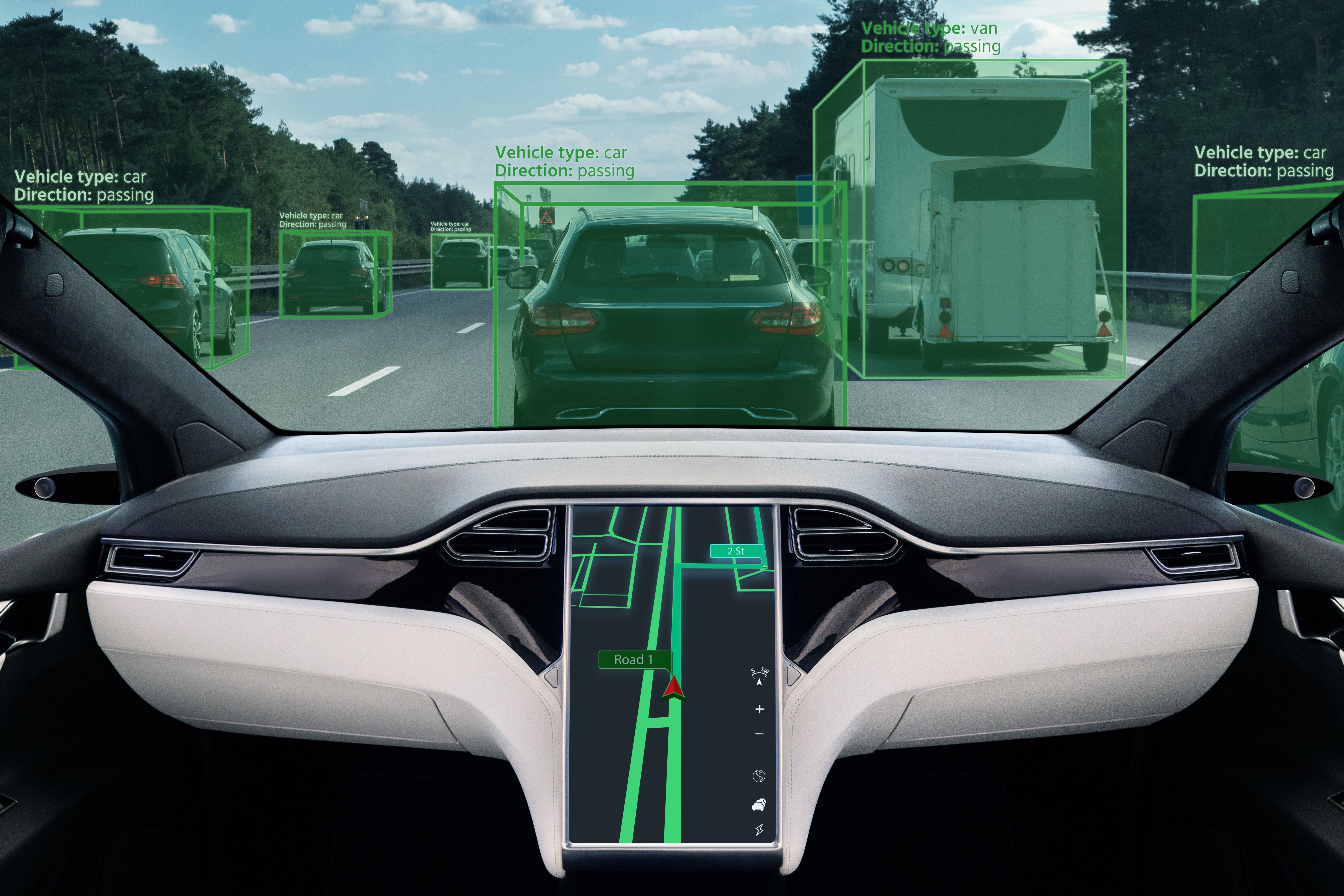
One of the significant advantages of LiDAR is its ability to penetrate through obstacles such as foliage or debris. This capability ensures that even hard-to-reach areas of a building are assessed, providing a comprehensive overview of the structure's condition.
Benefits of AI Structural Vision
The integration of AI with LiDAR technology brings several benefits to building assessments. Here are a few key advantages:
- Enhanced Accuracy: AI algorithms process LiDAR data to produce highly accurate 3D models.
- Time Efficiency: Automated assessments reduce the time needed for inspections.
- Cost-Effectiveness: Minimizing the need for manual labor lowers costs significantly.
AI-driven assessments not only improve efficiency but also provide insights that were previously difficult to obtain. This technology can identify potential structural issues before they become critical, allowing for proactive maintenance.

Applications in Various Industries
AI structural vision using LiDAR technology is applicable across multiple industries. In construction, it aids in planning and monitoring projects, ensuring they stay on schedule and within budget. In real estate, it provides detailed property assessments, enhancing the buying and selling process.
Additionally, this technology is invaluable in disaster management. After natural disasters, rapid and accurate building assessments are crucial for determining safety and planning recovery efforts. AI and LiDAR provide the tools necessary for these critical evaluations.
The Future of Building Assessments
As AI and LiDAR technology continue to evolve, we can expect even more sophisticated building assessment tools. Future developments may include integration with other technologies like drones, further enhancing data collection capabilities.
With ongoing advancements, AI structural vision will likely become an industry standard, setting new benchmarks for accuracy and efficiency. By embracing these technologies, industries can ensure safer, more reliable structures for the future.