
Florida Senate Bill 4-D: What Property Managers Need to Know


Understanding Florida Senate Bill 4-D
Florida Senate Bill 4-D, enacted in response to recent structural concerns in buildings, introduces significant regulatory changes for property managers. The bill is designed to ensure the safety and integrity of residential buildings across the state. For property managers, understanding the implications of this legislation is crucial for compliance and effective property management.
Key Provisions of the Bill
The bill mandates regular structural inspections for certain residential properties, particularly those over three stories tall. These inspections must be conducted by licensed engineers or architects, ensuring that any potential issues are identified and addressed promptly. The bill also outlines specific timelines for when these inspections must occur, emphasizing the importance of timely compliance.
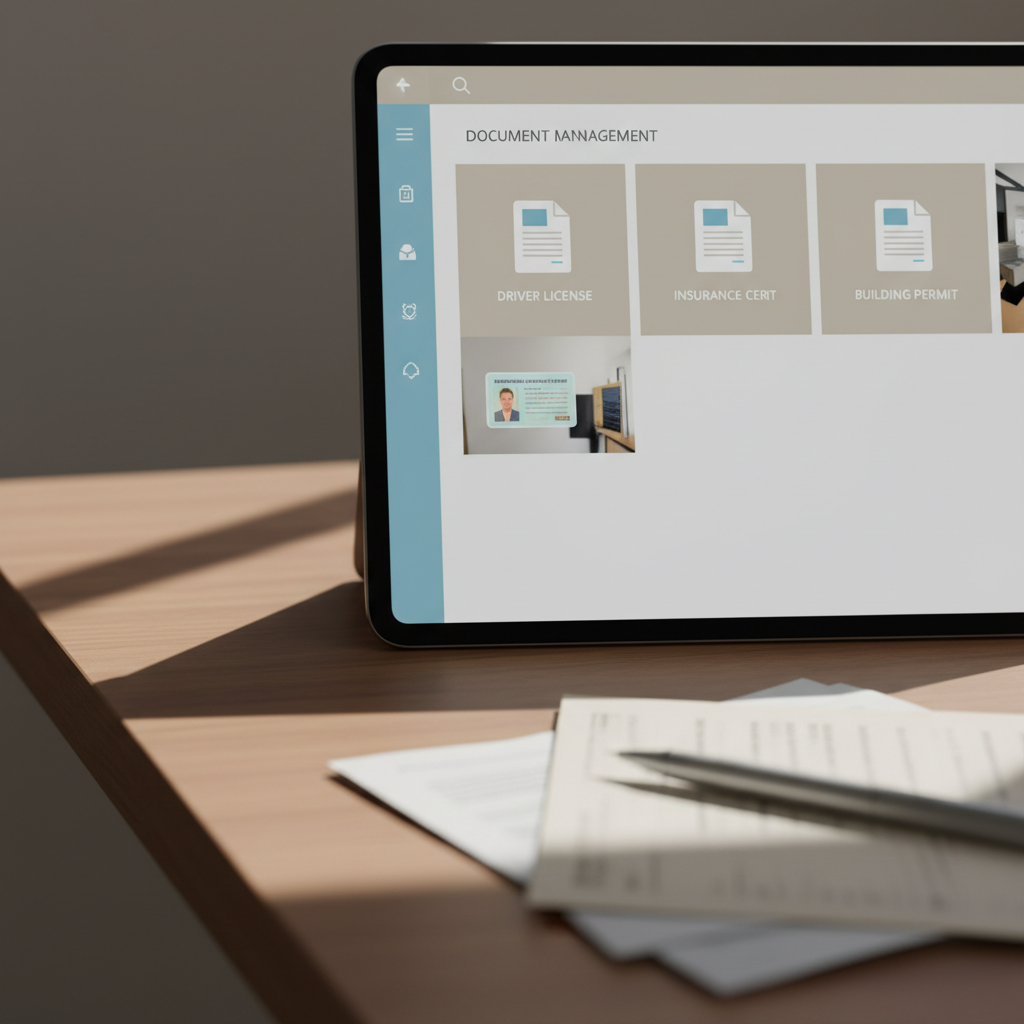
Additionally, the bill requires property managers to maintain detailed records of all inspections and any subsequent repairs or maintenance. These records must be readily available for review by state authorities, highlighting the need for organized and accessible documentation practices.
Impact on Property Management Practices
For property managers, the introduction of Senate Bill 4-D means revisiting and potentially overhauling current management practices. Ensuring that all buildings comply with the new inspection requirements will involve coordinating with certified professionals and possibly scheduling multiple inspections throughout the year.

Moreover, property managers may need to budget for additional expenses related to these inspections and any necessary repairs. This could involve adjusting financial plans and communicating with property owners about potential cost implications. Proactive financial planning will be essential to manage these new requirements effectively.
Compliance Strategies
To comply with Senate Bill 4-D, property managers should consider the following strategies:
- Schedule Regular Inspections: Work with qualified engineers or architects to establish a regular inspection schedule that meets the bill’s requirements.
- Maintain Detailed Records: Develop a system for organizing inspection reports and maintenance records to ensure they are easily accessible.
- Communicate with Stakeholders: Keep property owners informed about the new requirements and any associated costs or changes in management practices.

Legal and Financial Considerations
Non-compliance with the bill’s requirements can lead to legal repercussions and financial penalties. Property managers should consult with legal experts to fully understand the implications of the bill and develop an action plan that mitigates potential risks. It’s also advisable to review insurance policies to ensure adequate coverage for any structural issues that may arise.
Furthermore, property managers may find it beneficial to engage with industry associations or networks to stay informed about best practices and updates related to Senate Bill 4-D. Collaborating with peers can provide valuable insights and support in navigating these new regulations.
Conclusion
Florida Senate Bill 4-D represents a significant shift in property management practices within the state. By understanding the bill’s requirements and implementing effective compliance strategies, property managers can ensure the safety of their buildings while minimizing legal and financial risks. Staying informed and proactive will be key to adapting to these changes successfully.