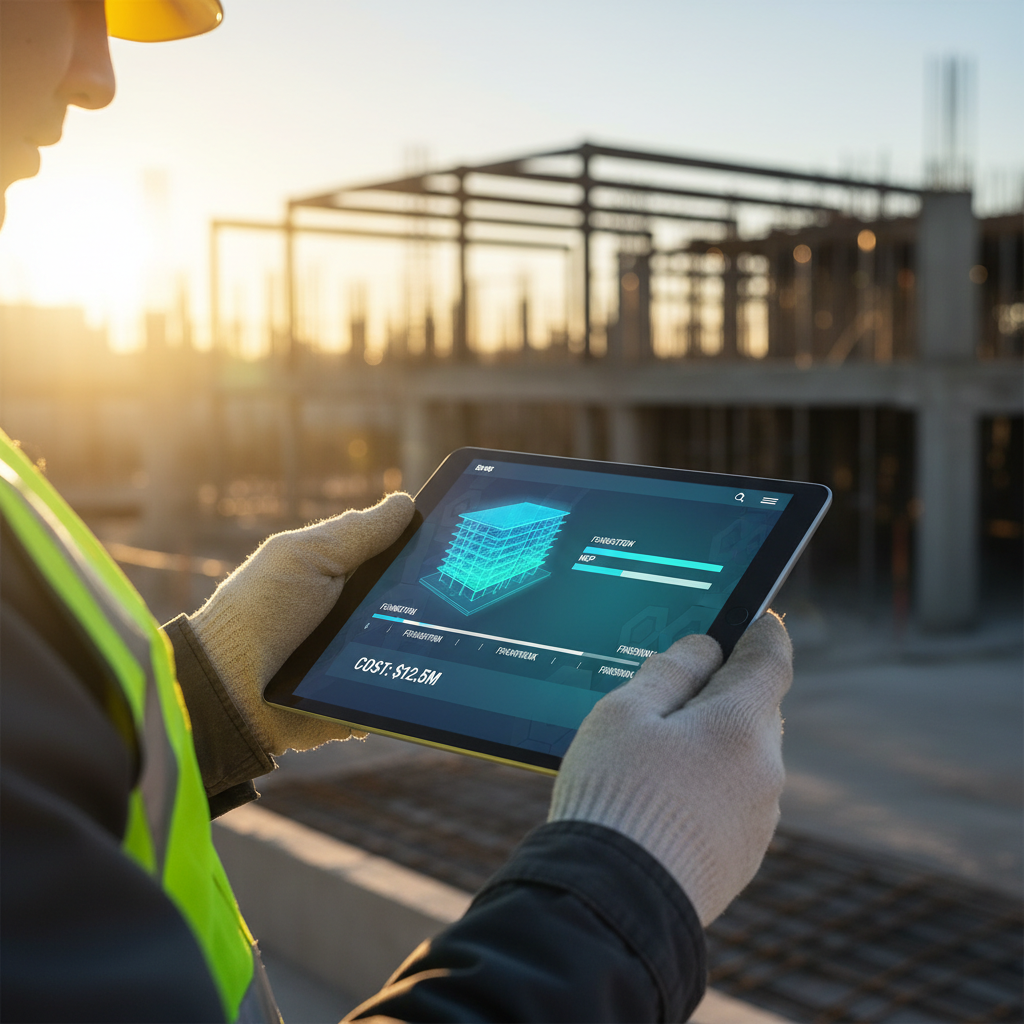
Exploring the Benefits of Digital Twins in Construction


Understanding Digital Twins in Construction
The concept of digital twins is revolutionizing the construction industry by offering a virtual representation of physical assets. This technology allows stakeholders to visualize, predict, and optimize the lifecycle of a project. By creating a digital counterpart of a building or infrastructure, teams can simulate real-world conditions and improve decision-making processes.
Digital twins integrate data from various sources, providing a comprehensive view of construction projects. This integration enables real-time monitoring and management, which can lead to significant cost savings and efficiency improvements.
Enhancing Design and Planning
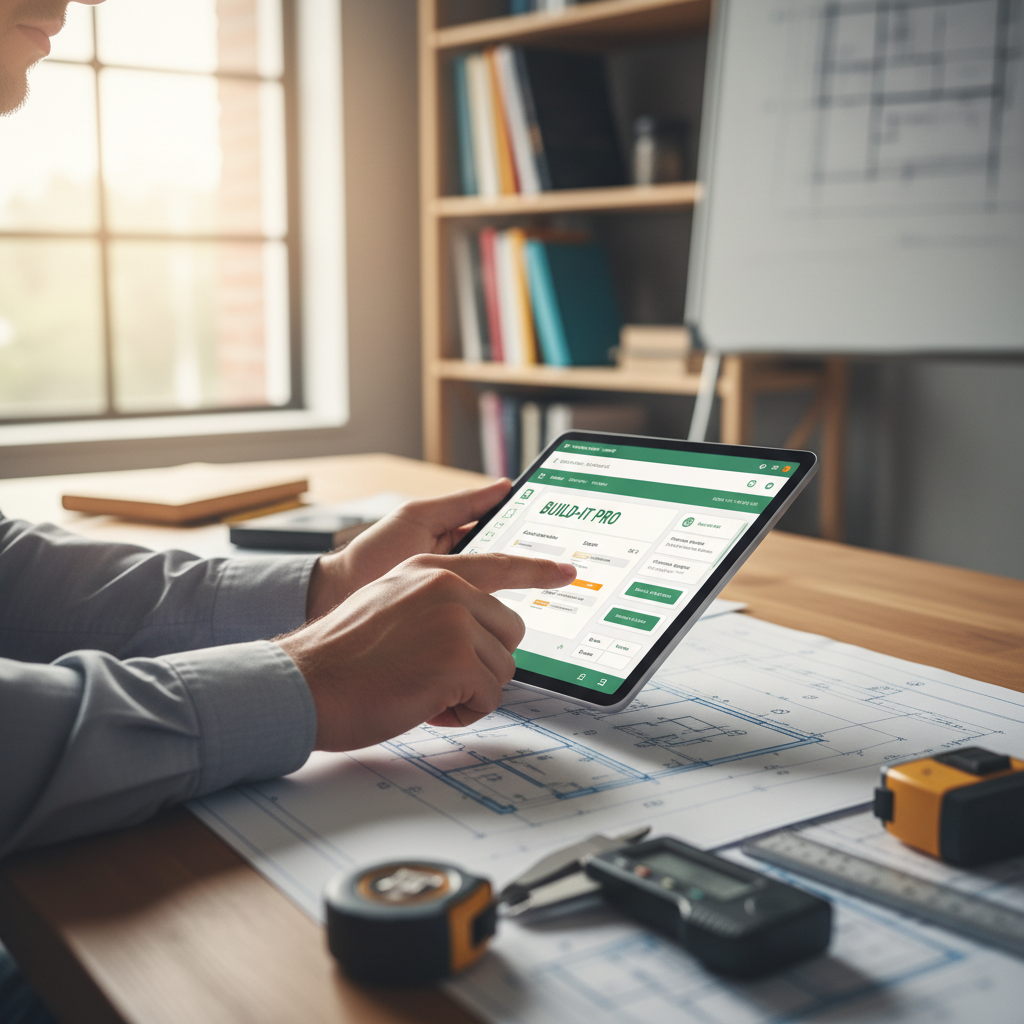
One of the primary benefits of digital twins in construction is their ability to enhance design and planning. By simulating different scenarios, architects and engineers can identify potential issues before they arise. This proactive approach reduces delays and ensures that projects are completed on time and within budget.
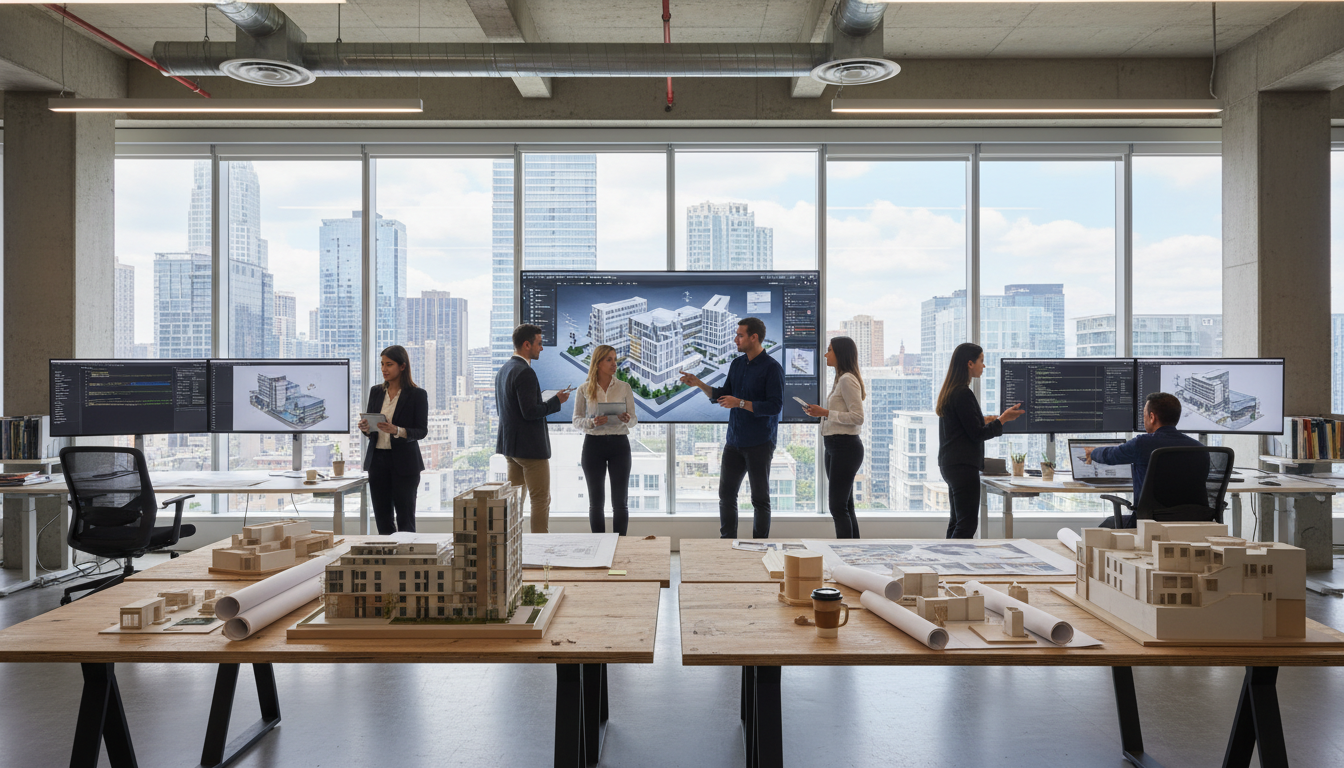
Moreover, digital twins facilitate better collaboration among teams. By providing a shared platform for all stakeholders, communication is streamlined, and misunderstandings are minimized. This collaborative environment fosters innovation and drives project success.
Improving Operational Efficiency
Operational efficiency is significantly improved with the use of digital twins. By continuously monitoring the digital model, teams can detect anomalies and address them before they escalate. This real-time insight leads to more informed decisions and enhanced productivity.
- Optimized resource allocation
- Reduced downtime and maintenance costs
- Increased lifespan of assets
Sustainability and Environmental Impact
Digital twins also contribute to sustainability efforts in construction. By optimizing energy consumption and reducing waste, these virtual models support environmentally friendly practices. They allow for the simulation of various energy-efficient solutions, enabling teams to choose the most sustainable options.
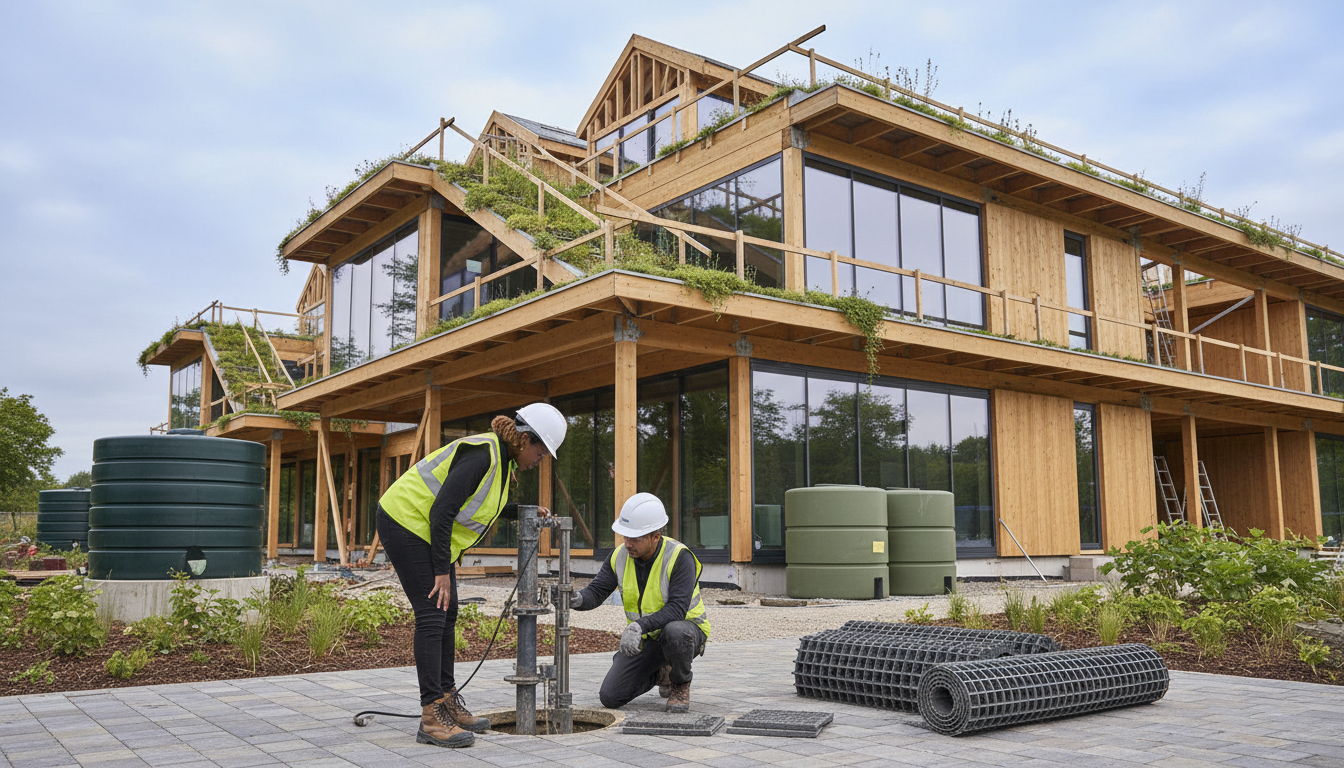
Additionally, digital twins help in assessing the environmental impact of projects. This assessment ensures compliance with regulations and helps organizations achieve their sustainability goals.
Future Prospects of Digital Twins
The future of digital twins in construction is promising, with advancements in technology continuously expanding their capabilities. As artificial intelligence and machine learning become more integrated, digital twins will offer even more sophisticated analytics and predictive insights.
Embracing digital twins is not just a trend but a strategic move towards modernizing the construction industry. By leveraging this technology, companies can gain a competitive edge and ensure long-term success.