
Ensuring Compliance with Florida Senate Bill 4-D: What High-Rise Owners Need to Know


Understanding Florida Senate Bill 4-D
In the wake of recent structural concerns, the Florida Senate Bill 4-D was enacted to ensure the safety and long-term viability of high-rise buildings across the state. This legislation introduces new requirements for inspection, maintenance, and repair, specifically targeting condominiums and cooperative buildings that are three stories or higher.
For high-rise owners, understanding the details of this bill is crucial to maintaining compliance and safeguarding residents. Ignoring these regulations can lead to severe penalties and increased liability, making it imperative for property owners to take proactive measures.
Inspection Requirements
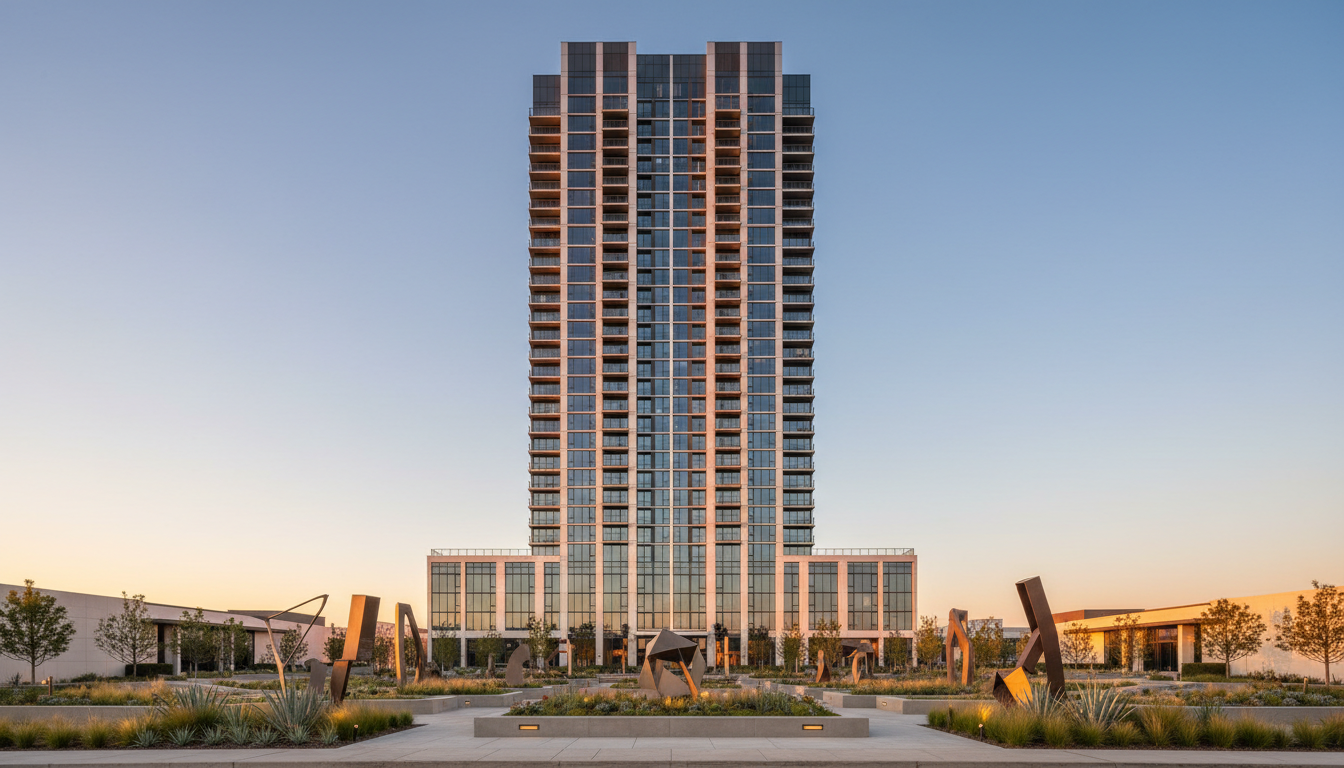
The bill mandates that all eligible high-rise buildings undergo a comprehensive inspection at specific intervals. These inspections are designed to identify potential structural and safety issues before they escalate into larger problems. Typically, inspections must occur every ten years, but this frequency may increase depending on the building's age and condition.
During an inspection, licensed professionals will evaluate critical components such as the foundation, roofing, electrical systems, and more. High-rise owners should prepare for these inspections by maintaining detailed records of past maintenance and repairs, as this information will be crucial for a thorough assessment.
Maintenance and Repair Protocols
In addition to regular inspections, Senate Bill 4-D outlines strict protocols for ongoing maintenance and repairs. High-rise owners are responsible for addressing any issues identified during inspections promptly. Failure to do so may result in fines or legal action, placing further financial strain on residents and owners alike.
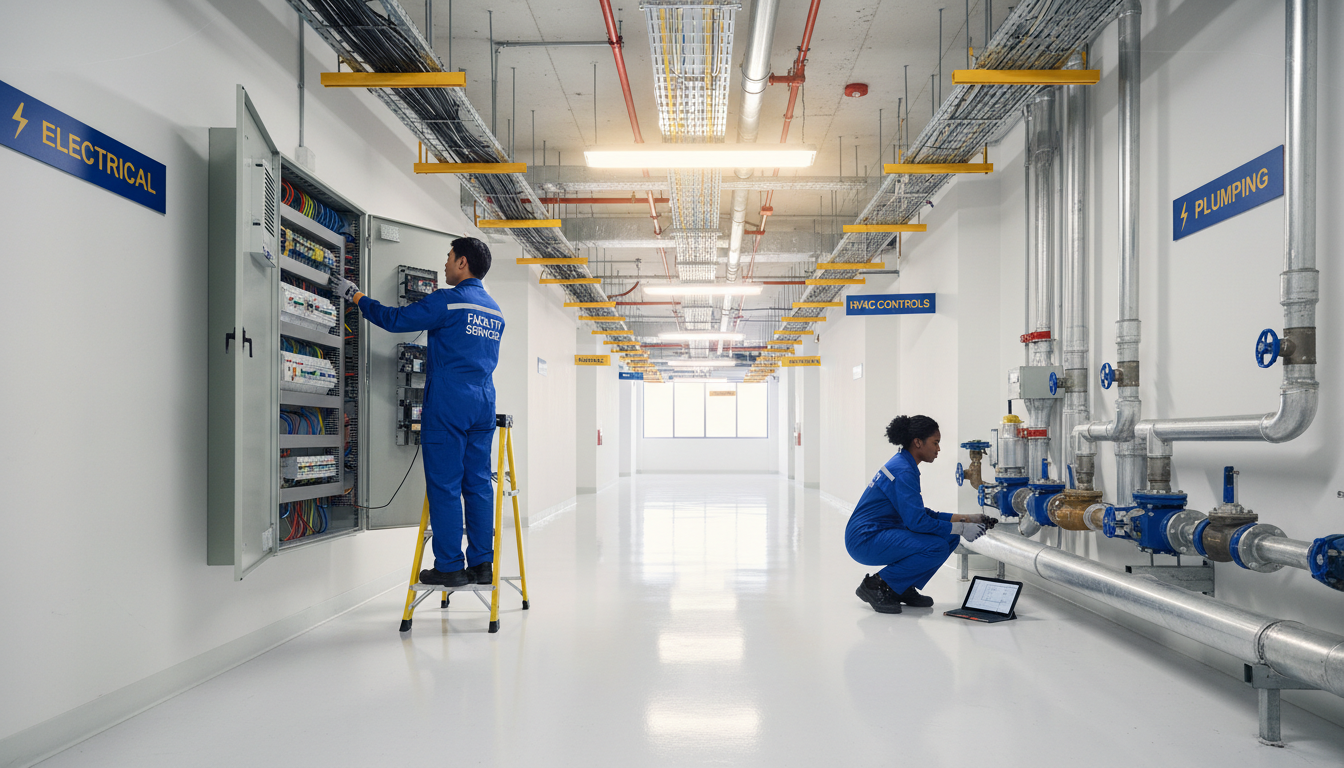
To ensure compliance, property owners should establish a routine maintenance schedule and allocate funds specifically for potential repairs. Having a dedicated reserve fund not only aids in timely repairs but also demonstrates a commitment to safety and compliance with state regulations.
Financial Implications
Complying with Senate Bill 4-D may involve considerable financial investment, especially for older buildings requiring significant upgrades. However, the cost of non-compliance can be even higher, with potential legal fees and penalties for negligence. It's essential for owners to budget accordingly and explore financing options if necessary.
Moreover, demonstrating a commitment to safety and compliance can enhance property value and attract potential buyers or tenants, making it a worthwhile investment in the long run.

Engaging with Residents
Effective communication with residents is a critical aspect of compliance. High-rise owners should keep residents informed about upcoming inspections, maintenance schedules, and any potential disruptions due to repair work. Transparency not only fosters trust but also encourages cooperation, making the compliance process smoother for everyone involved.
Conclusion
Ensuring compliance with Florida Senate Bill 4-D is a multifaceted process that requires diligence, planning, and financial foresight. High-rise owners must stay informed about regulatory changes, work closely with licensed professionals, and maintain open lines of communication with residents.
By prioritizing safety and adhering to these new regulations, property owners can protect their investments, enhance the living experience for residents, and contribute to the overall safety of Florida’s high-rise buildings.