
Ensuring Compliance with Florida Senate Bill 4-D: A Comprehensive Guide


Understanding Florida Senate Bill 4-D
Florida Senate Bill 4-D, a pivotal piece of legislation, focuses on improving building safety standards, particularly concerning structural integrity and maintenance. This bill emerged in response to various safety concerns and aims to protect residents by enforcing stricter compliance measures.
Key Provisions of the Bill
The bill mandates regular inspections and maintenance of multi-story residential buildings. It requires that buildings taller than three stories undergo a comprehensive structural inspection every ten years. These inspections aim to identify potential safety hazards early and ensure timely interventions.
Compliance is crucial, as failing to adhere to these standards can result in hefty fines and legal consequences. Building owners and managers are advised to familiarize themselves with the specific requirements to ensure full compliance.
Steps to Ensure Compliance
To comply with Senate Bill 4-D, building owners must first understand the specific timelines and standards set forth. Here is a step-by-step approach to achieving compliance:
- Conduct Initial Assessments: Engage a certified structural engineer to evaluate the current state of your building.
- Schedule Regular Inspections: Set up a schedule for inspections every ten years, or sooner if issues are detected.
- Implement Necessary Repairs: Address any issues identified during inspections promptly to avoid penalties.
Engaging Qualified Professionals
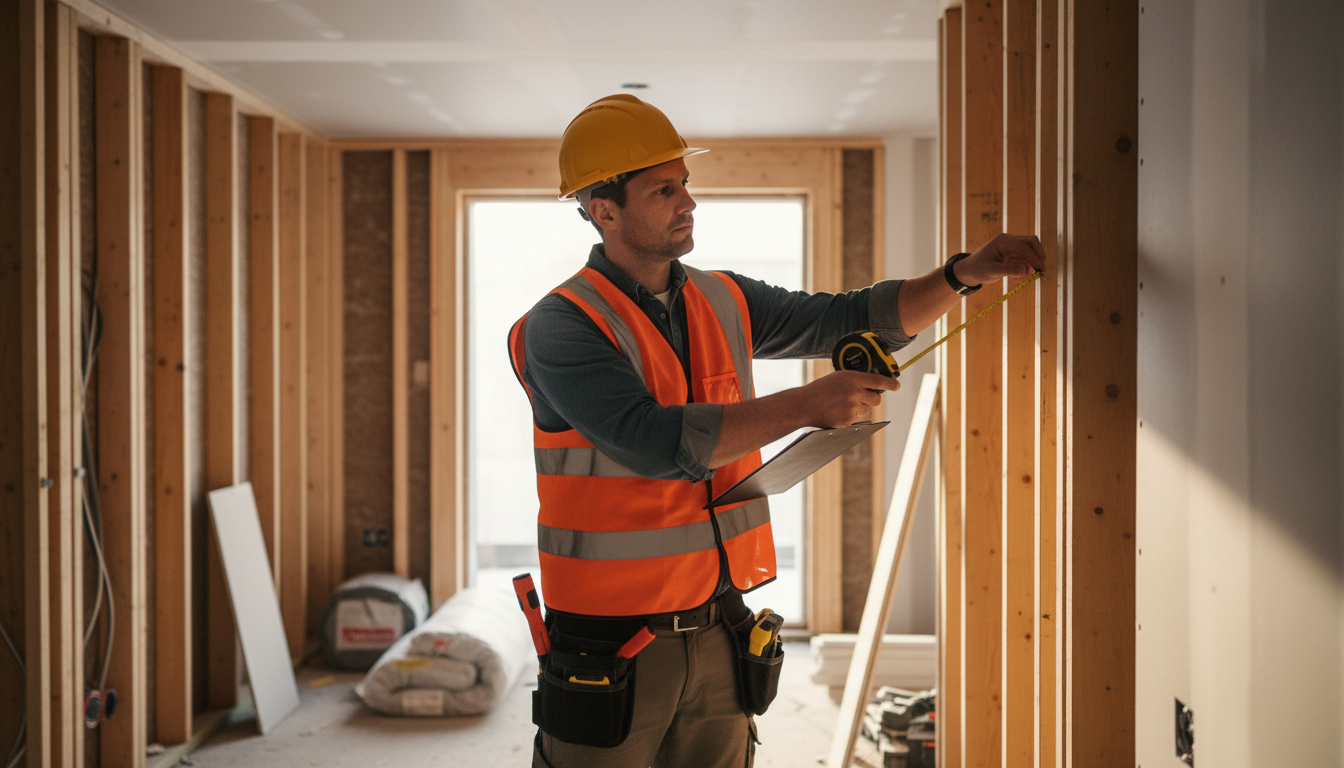
Hiring qualified professionals is essential in navigating the requirements of Senate Bill 4-D. Consider engaging experienced structural engineers and consultants who understand the intricacies of the legislation and can provide reliable advice and services.
These professionals can offer guidance on necessary upgrades and repairs, ensuring that all work complies with the latest safety standards. Their expertise can prove invaluable in maintaining the safety and integrity of your building.
Documentation and Record-Keeping
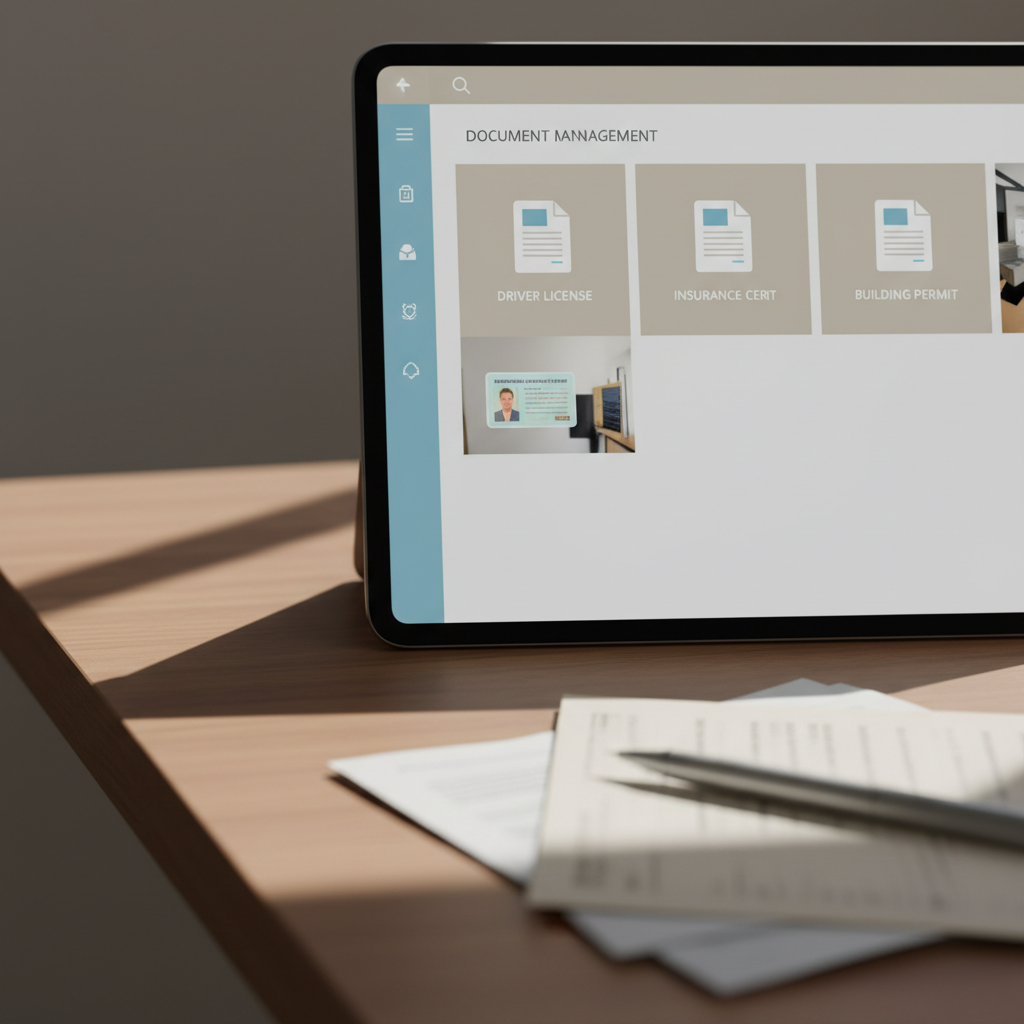
Proper documentation is a critical component of compliance. Maintain detailed records of all inspections, repairs, and maintenance activities. This documentation not only ensures compliance but also provides a clear history of the building’s upkeep.
Keeping organized records can also facilitate smoother communication with regulatory bodies, should any questions or issues arise. It is advisable to store these records both digitally and physically for easy access.
Understanding Penalties and Consequences
Non-compliance with Senate Bill 4-D can result in significant penalties, including fines and legal action. Building owners must take these potential consequences seriously and prioritize compliance efforts to avoid such outcomes.
In some cases, non-compliance can also lead to reputational damage, affecting property values and tenant trust. Therefore, proactive measures are not just a regulatory requirement but also a sound business practice.
Conclusion
Ensuring compliance with Florida Senate Bill 4-D is a multifaceted process that requires attention to detail, professional guidance, and diligent record-keeping. By understanding the legislation’s requirements and taking proactive steps, building owners can safeguard their properties and ensure the safety of their residents.
Stay informed and engaged with ongoing legislative updates to maintain compliance and protect your investment in the long term.