
Ensuring Coastal Building Safety in Florida: AI Solutions for Compliance with Senate Bill 4-D


In recent years, Florida's coastal regions have faced increasing pressures from environmental changes and urban development. To address these challenges, Senate Bill 4-D was enacted, emphasizing the importance of building safety and resilience along the coast. As technology advances, one of the most promising solutions to ensure compliance with this bill is the use of Artificial Intelligence (AI).
Understanding Senate Bill 4-D
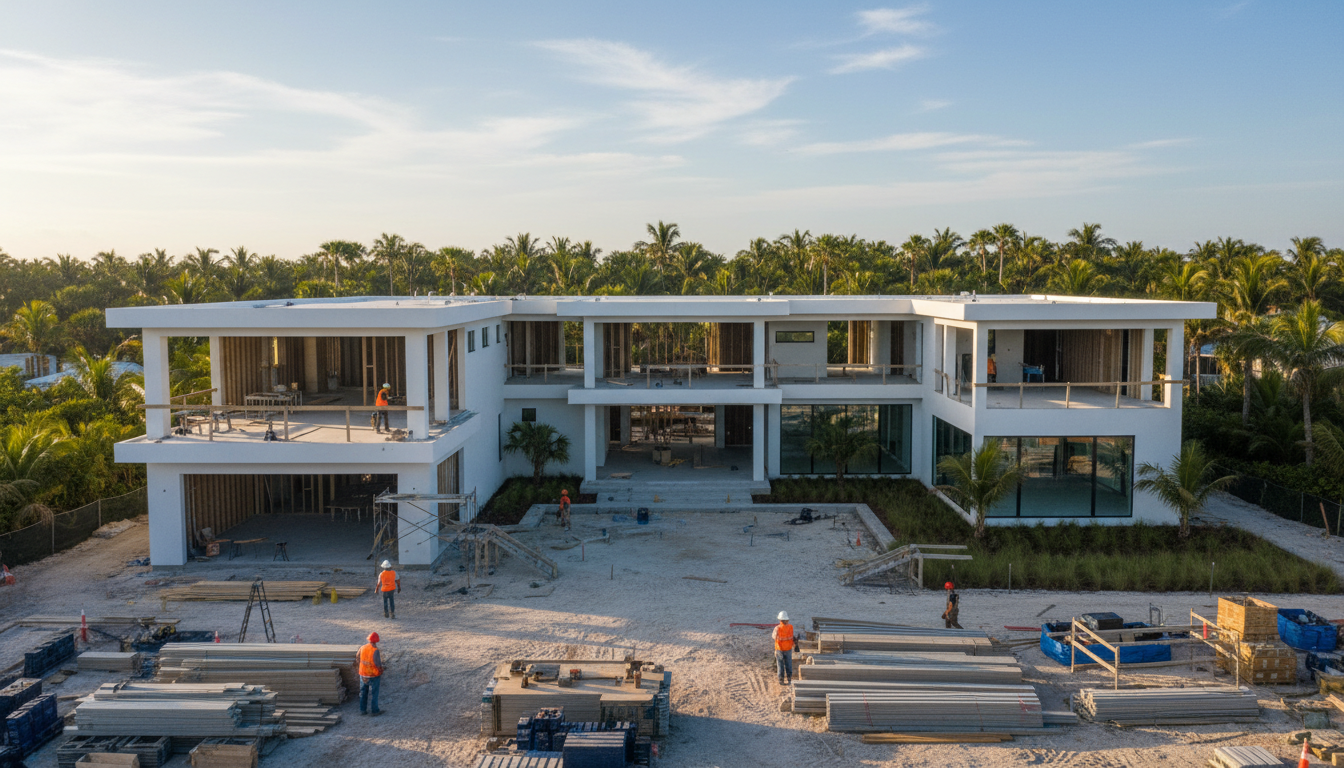
Senate Bill 4-D was introduced to enhance the safety and sustainability of coastal buildings in Florida. It mandates rigorous safety inspections and requires buildings to meet specific standards to withstand environmental stressors such as hurricanes and rising sea levels. The goal is to protect both property and human life by ensuring that structures are resilient and safe.
The Role of AI in Compliance
AI technologies can play a crucial role in helping builders and regulators comply with Senate Bill 4-D. By utilizing AI-driven tools, stakeholders can efficiently monitor and assess building conditions, predict potential risks, and implement timely interventions. These tools can analyze vast amounts of data to provide insights that would be difficult for humans to achieve alone.
AI Solutions for Structural Assessments
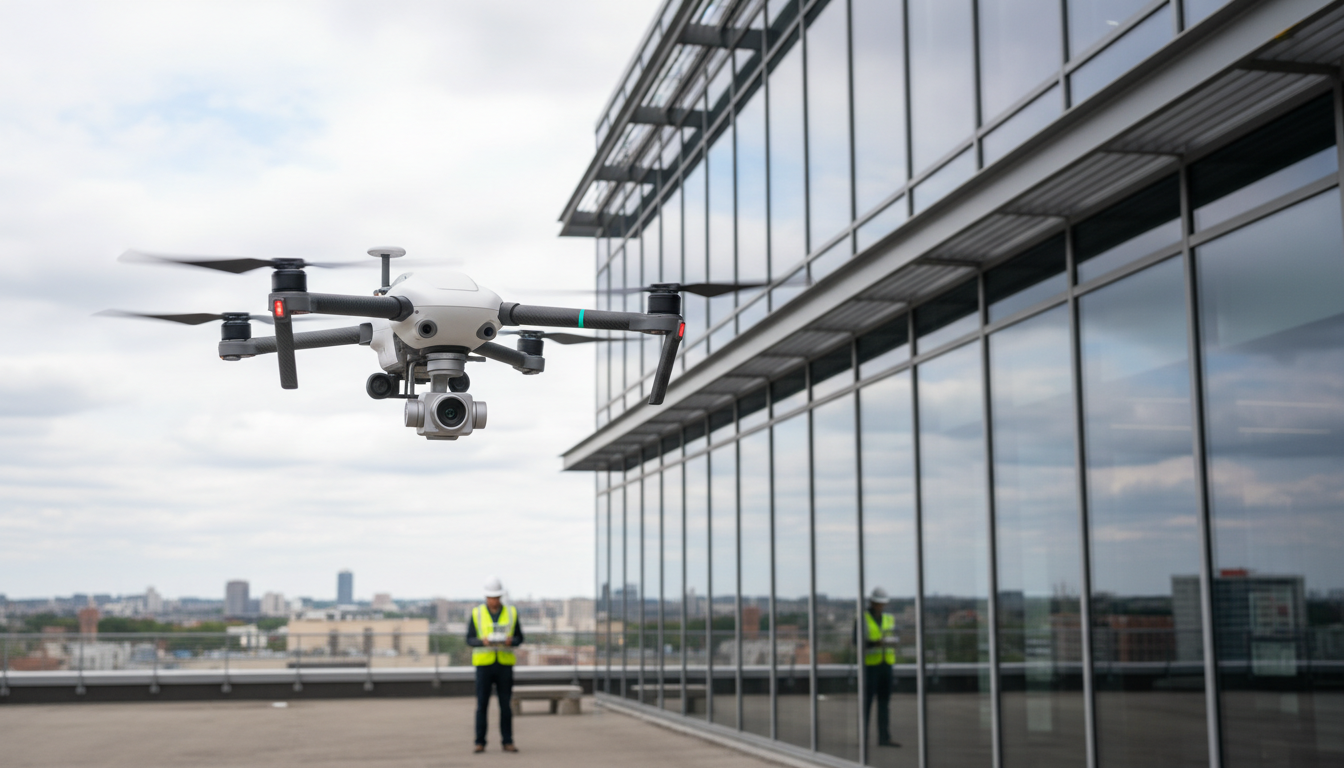
One of the primary applications of AI in coastal building safety is structural assessment. AI algorithms can process data from sensors and drones to detect structural weaknesses, such as cracks or unusual movements, that might not be visible to the naked eye. This real-time monitoring allows for proactive maintenance and repairs, ensuring that buildings remain compliant with safety standards.
Predictive Analytics for Risk Management
AI also excels in predictive analytics, which can be used to forecast potential risks due to environmental changes. By analyzing historical weather patterns, sea level data, and other environmental factors, AI models can predict scenarios like flooding or extreme weather events. This information helps in planning and implementing preemptive measures to protect coastal properties.
Enhancing Decision Making with AI
In addition to risk prediction, AI can aid in decision-making processes for builders and policymakers. AI-driven simulations can evaluate the potential impacts of different construction materials or design choices, guiding stakeholders towards more resilient and compliant building practices. This capability ensures that decisions are data-driven and aligned with the requirements of Senate Bill 4-D.

Challenges and Considerations
While AI offers significant benefits for coastal building safety, there are challenges to consider. The implementation of AI technologies requires investment in infrastructure and training. Additionally, data privacy and security must be prioritized to protect sensitive information collected during assessments and analyses.
The Future of Coastal Building Safety
As AI technology continues to evolve, its integration into coastal building safety protocols will likely expand. Ongoing advancements in machine learning and data analytics will provide even more sophisticated tools for ensuring compliance with Senate Bill 4-D. By embracing these technologies, Florida can lead the way in sustainable and resilient coastal development.
In summary, AI solutions offer a promising path towards enhanced coastal building safety in Florida. By leveraging AI for structural assessments, predictive analytics, and informed decision-making, stakeholders can effectively comply with Senate Bill 4-D and safeguard the future of coastal communities.