
Emerging Technologies Revolutionizing Construction Safety in Florida


Introduction to Construction Safety Challenges
Construction sites are inherently dangerous, with numerous potential hazards that can lead to accidents. In Florida, where construction is booming, ensuring worker safety is a top priority. Emerging technologies are playing a pivotal role in transforming safety standards and practices, making construction sites safer than ever before.

Wearable Technology for Safety Monitoring
One of the most significant advancements in construction safety is the use of wearable technology. Devices such as smart helmets, vests, and boots equipped with sensors are being used to monitor workers' health and environmental conditions. These wearables can track vital signs, detect falls, and even alert workers to potential hazards like extreme temperatures or toxic gases.
Smart helmets equipped with augmented reality (AR) features can also provide real-time data and instructions, enhancing both safety and productivity. In Florida's hot climate, these technologies are particularly valuable in preventing heat-related illnesses.
Drones for Site Inspection and Monitoring
Drones have become an essential tool for construction site inspection and monitoring. They offer a bird's-eye view of the site, allowing for quick identification of potential safety issues such as structural weaknesses or equipment malfunctions. This aerial perspective helps in maintaining a safer environment by addressing hazards before they lead to accidents.
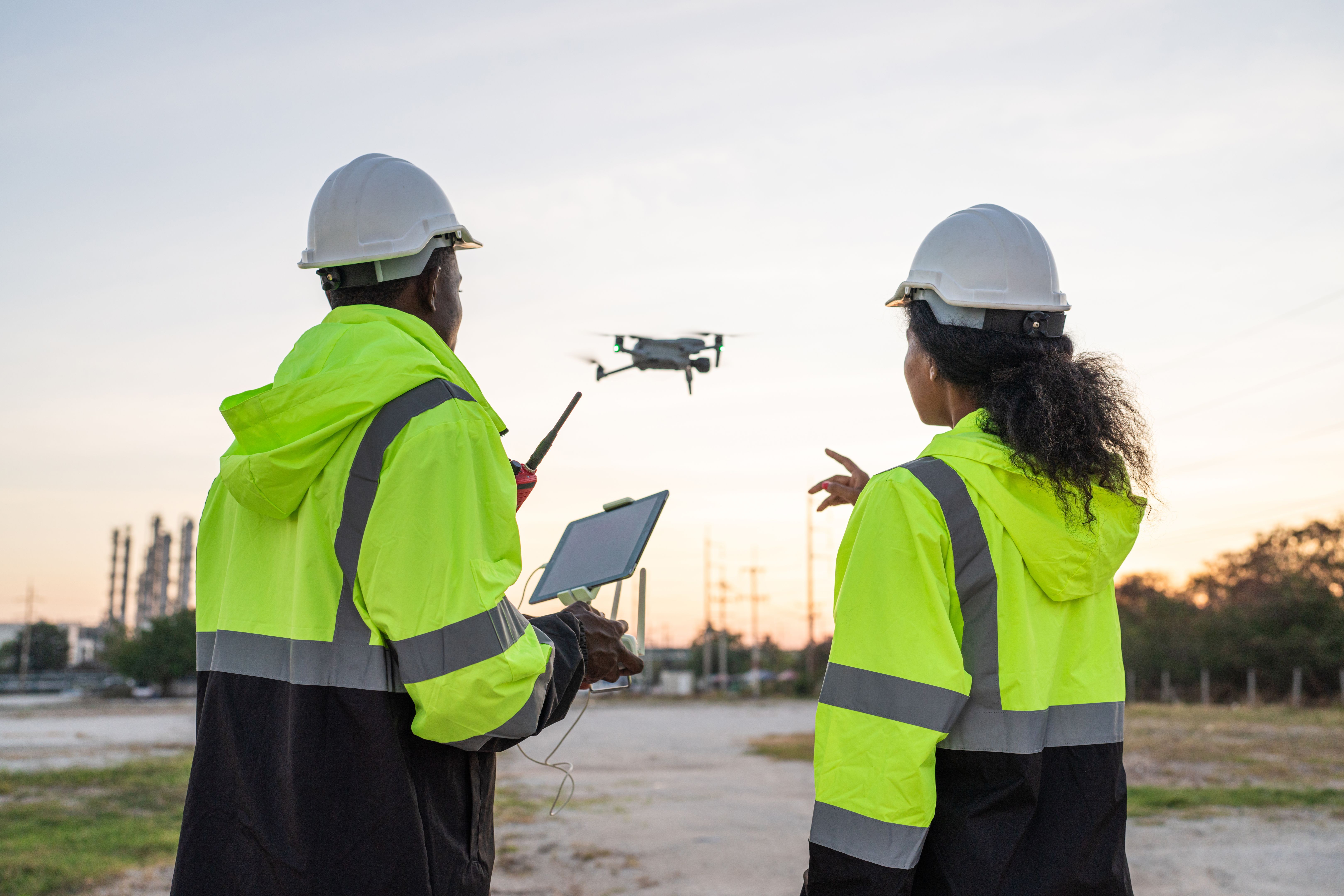
Moreover, drones can access hard-to-reach areas, reducing the need for workers to perform risky inspections. This not only minimizes the risk of falls but also speeds up the inspection process, ensuring that projects stay on schedule.
Building Information Modeling (BIM) for Risk Management
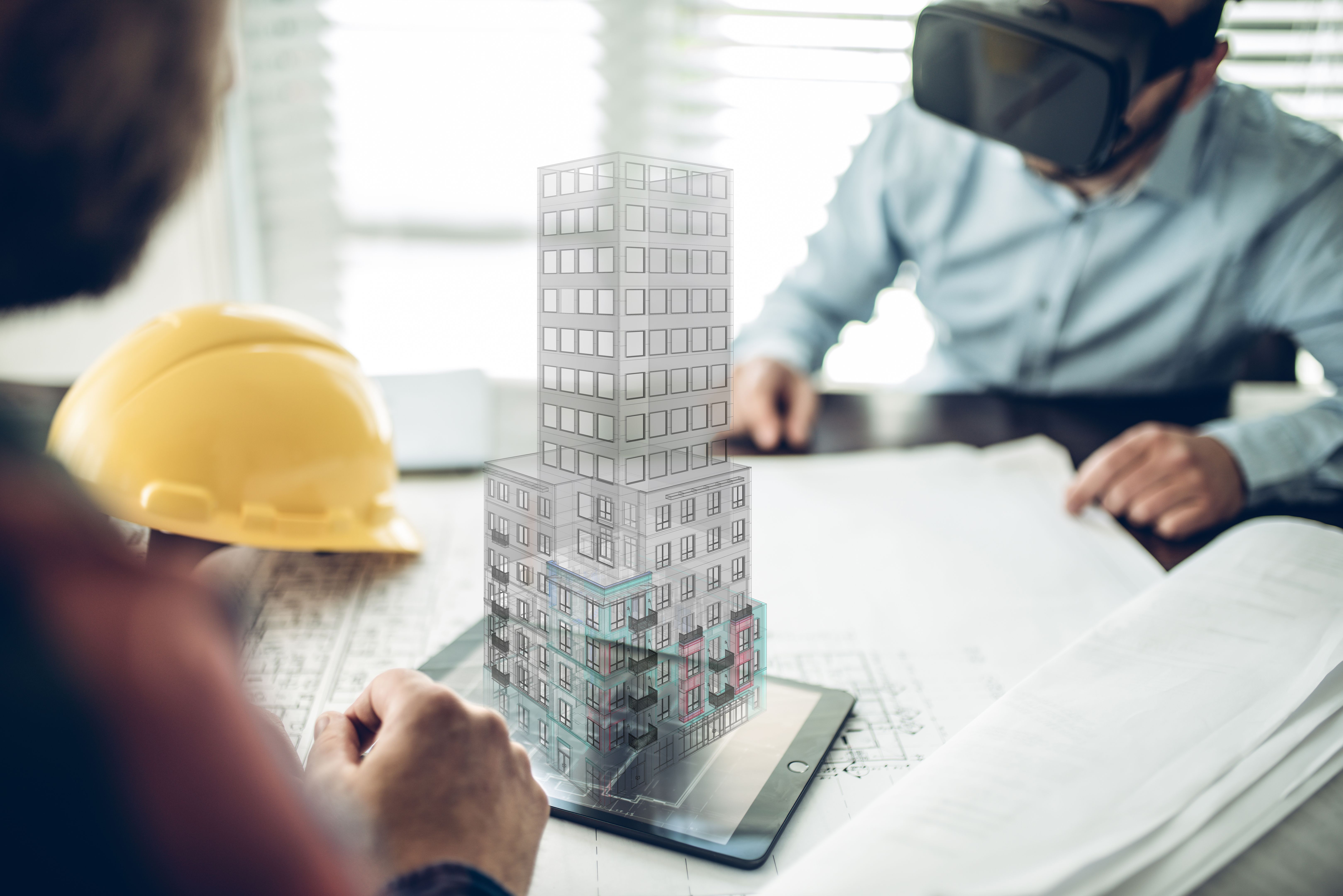
Building Information Modeling (BIM) is revolutionizing the way construction projects are planned and executed. By creating detailed digital models of buildings, BIM allows for better visualization and analysis of potential risks. This technology enables project managers to identify and address safety concerns during the planning stages, reducing the likelihood of accidents during construction.
BIM also facilitates better communication and collaboration among stakeholders, ensuring that everyone is aware of safety protocols and potential hazards. This proactive approach to risk management is critical in maintaining high safety standards on Florida's construction sites.
The Role of Robotics in Enhancing Safety
Robotics is another emerging technology making waves in the construction industry. Robots are being used for tasks that are dangerous for human workers, such as demolition, bricklaying, and welding. By automating these high-risk tasks, construction companies can significantly reduce the incidence of workplace injuries.
In Florida, where large-scale projects are common, the use of robotics can lead to safer and more efficient construction processes. These robots are designed to work alongside human workers, enhancing productivity without compromising safety.
Conclusion: A Safer Future for Construction
As these emerging technologies continue to evolve, the future of construction safety in Florida looks promising. By adopting wearable technology, drones, BIM, and robotics, construction companies can create safer work environments and protect their most valuable asset: their workers. With continued innovation and implementation, the construction industry is poised to set new safety standards, ensuring a secure future for all involved.