
Emerging Technologies in Construction Safety: A Focus on Florida


Introduction to Emerging Technologies in Construction Safety
The construction industry is rapidly evolving, and with it comes the integration of emerging technologies aimed at enhancing safety. In Florida, where construction is a booming sector, adopting these innovations is crucial. This blog post explores some of the cutting-edge technologies making waves in construction safety.

Wearable Technology for Worker Safety
Wearable technology is transforming the way we approach construction safety. Devices such as smart helmets and vests equipped with sensors monitor workers' vital signs and environmental conditions. These wearables can alert supervisors to potential hazards, such as heat stress or exposure to harmful gases, allowing for quick intervention.
In Florida's hot and humid climate, wearables are particularly beneficial. They help ensure that workers remain safe from heat-related illnesses, which can be a significant concern in outdoor construction environments.
Drone Technology for Site Inspection
Drones have become an essential tool for construction site inspections. They offer a bird's-eye view of the site, allowing project managers to identify potential safety hazards quickly. Drones can access hard-to-reach areas and provide real-time data that is crucial for maintaining safety standards.
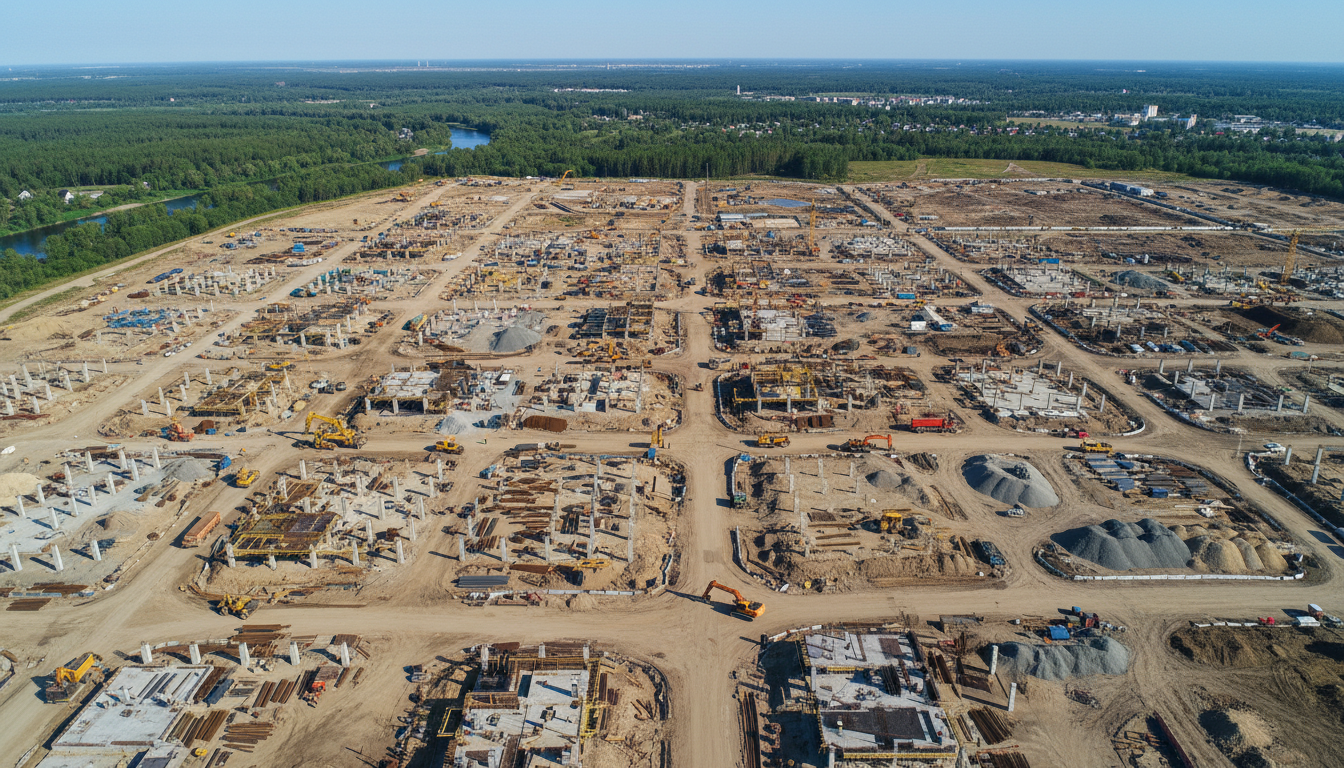
In Florida, where construction sites can be expansive and complex, drones offer a convenient and efficient way to monitor safety. They reduce the need for manual inspections, which can be time-consuming and pose additional risks to workers.
Building Information Modeling (BIM) for Risk Management
Building Information Modeling (BIM) is revolutionizing risk management in construction. This technology allows for the digital representation of a building's physical and functional characteristics, facilitating better planning and decision-making.
- Improved visualization of construction projects
- Enhanced collaboration among stakeholders
- Identification of potential safety risks before construction begins
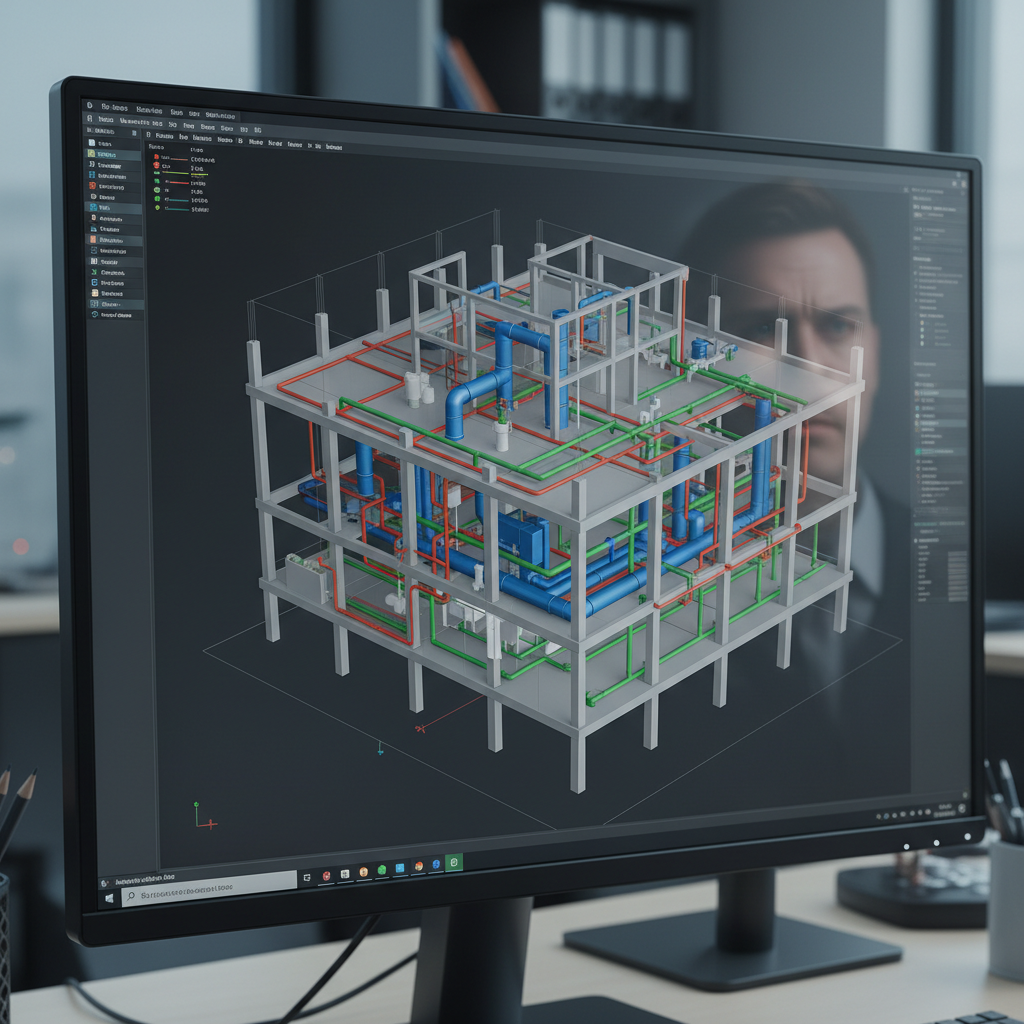
In Florida, the use of BIM is increasingly prevalent, helping to mitigate risks associated with complex construction projects and ensuring a safer working environment.
Virtual Reality (VR) for Safety Training
Virtual Reality (VR) is gaining traction as an innovative tool for construction safety training. VR simulations provide workers with immersive experiences that replicate real-world scenarios, enabling them to practice responding to potential hazards without the associated risks.
This technology is particularly useful in Florida, where the construction industry faces unique challenges such as hurricanes and other extreme weather events. VR training can prepare workers to handle these situations effectively.
Conclusion: The Future of Construction Safety in Florida
The adoption of emerging technologies in construction safety is not just a trend but a necessity. In Florida, where construction is a vital part of the economy, these technologies are paving the way for safer and more efficient work environments. By embracing innovations such as wearables, drones, BIM, and VR, the industry can significantly reduce risks and enhance the well-being of its workforce.
As technology continues to advance, the potential for improved safety measures in construction is limitless. Florida's construction industry is poised to lead the way in integrating these technologies, setting a standard for safety and efficiency.