
Digital Twins in Construction: Revolutionizing Structural Health Monitoring


Understanding Digital Twins in Construction
Digital twins are transforming the construction industry by providing a virtual replica of physical structures. This technology allows for real-time monitoring and analysis, offering a comprehensive view of a building's health. By integrating data from sensors and IoT devices, digital twins help in predicting and preventing potential issues.
The concept of digital twins involves creating a dynamic, digital representation of a construction project that evolves with the physical counterpart. This approach allows stakeholders to simulate, analyze, and optimize processes, leading to more efficient project management.
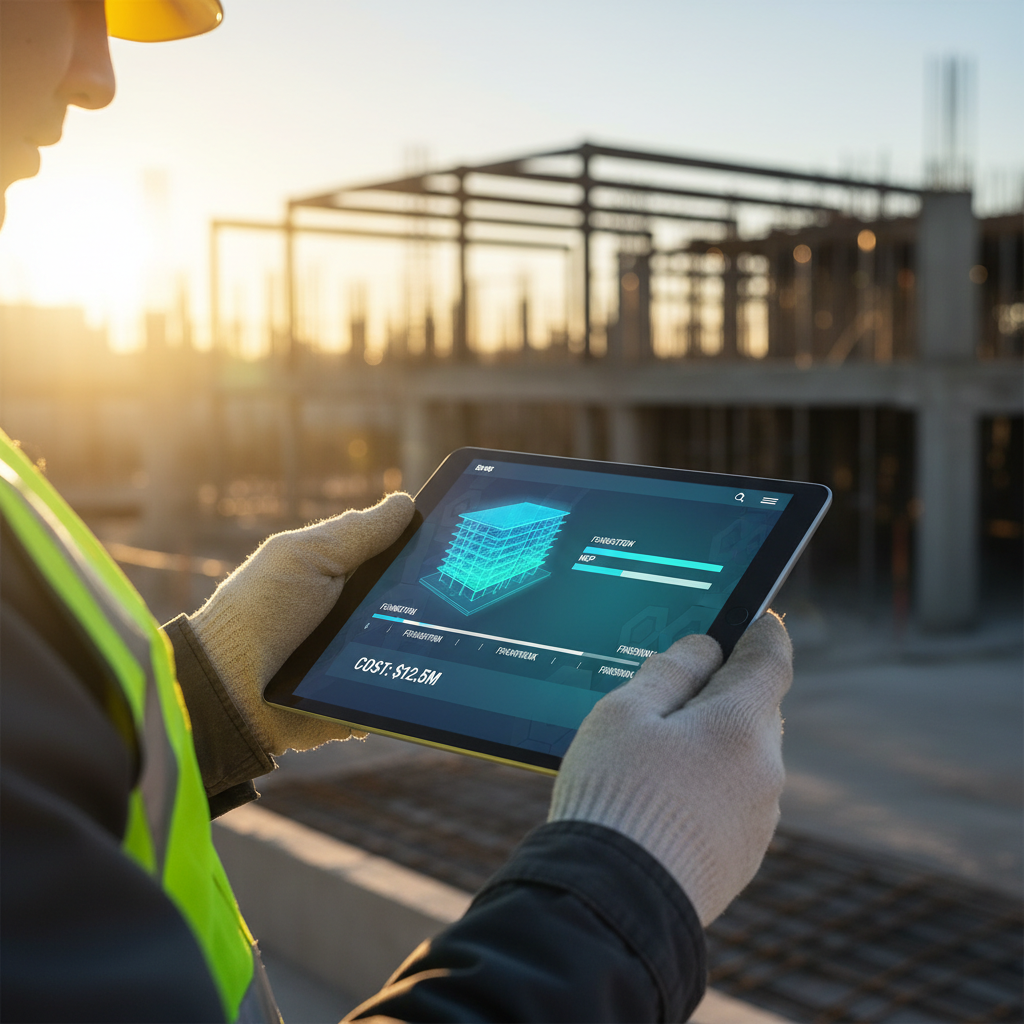
Revolutionizing Structural Health Monitoring
Structural health monitoring (SHM) is crucial for ensuring the safety and longevity of buildings and infrastructure. Digital twins enhance SHM by providing continuous, real-time data that helps in identifying structural weaknesses and potential failures before they occur. This proactive approach reduces maintenance costs and enhances safety.
By utilizing digital twins, engineers can simulate various scenarios to assess structural responses under different conditions. This capability enables more informed decision-making and can significantly extend the lifespan of structures.

Key Benefits of Digital Twins
Digital twins offer several advantages in construction:
- Improved Accuracy: Real-time data integration ensures models are always up-to-date, reflecting the current state of the structure.
- Cost Efficiency: By predicting maintenance needs and preventing failures, digital twins help reduce unexpected expenses.
- Enhanced Safety: Continuous monitoring allows for early detection of potential hazards, ensuring safer environments.
Implementing Digital Twin Technology
Implementing digital twins in construction requires careful integration of technology and expertise. It involves capturing data from sensors, drones, and other IoT devices, which is then processed and visualized through sophisticated software platforms. Collaboration among architects, engineers, and IT professionals is essential to fully leverage the potential of digital twins.

Future Prospects and Challenges
The future of digital twins in construction looks promising, with advancements in AI and machine learning expected to further enhance their capabilities. However, challenges such as data security, interoperability, and the need for skilled professionals must be addressed to ensure widespread adoption.
As technology continues to evolve, digital twins will play an increasingly vital role in sustainable construction practices, leading to smarter, more resilient infrastructure.
Conclusion
Digital twins are revolutionizing the construction industry by offering a powerful tool for structural health monitoring. Their ability to provide real-time insights and predictive analytics is transforming how buildings are managed and maintained, leading to safer and more efficient construction processes.
As the technology matures, embracing digital twins will be essential for construction companies aiming to stay competitive and deliver high-quality projects in a rapidly changing world.