Digital Twins and Their Impact on Structural Integrity


Understanding Digital Twins
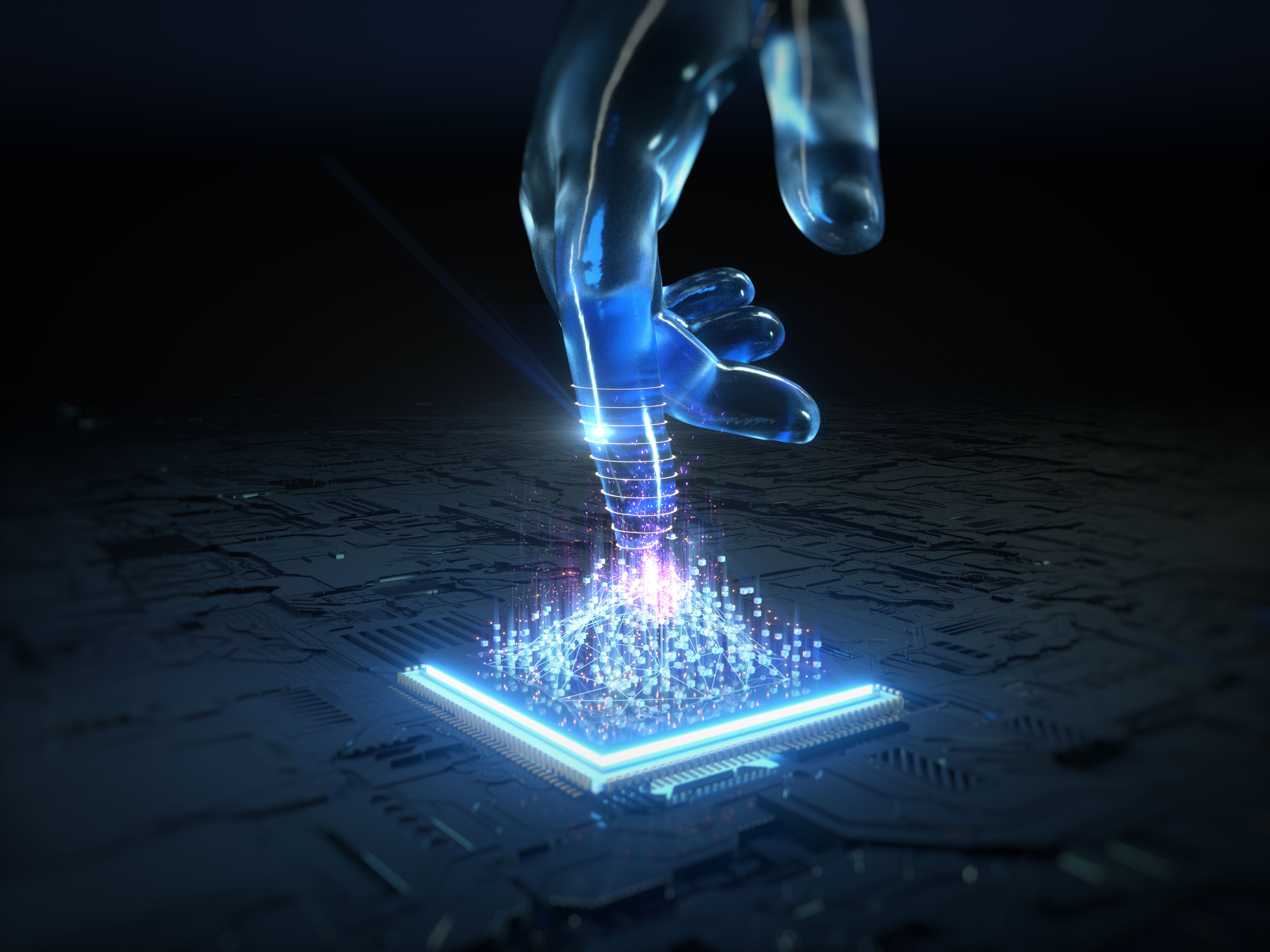
Digital twins are a revolutionary concept in the realm of engineering and technology. They are virtual replicas of physical entities, allowing engineers and designers to simulate, analyze, and optimize systems before they are built. This technology is transforming industries by offering a deeper understanding of structural integrity and performance.
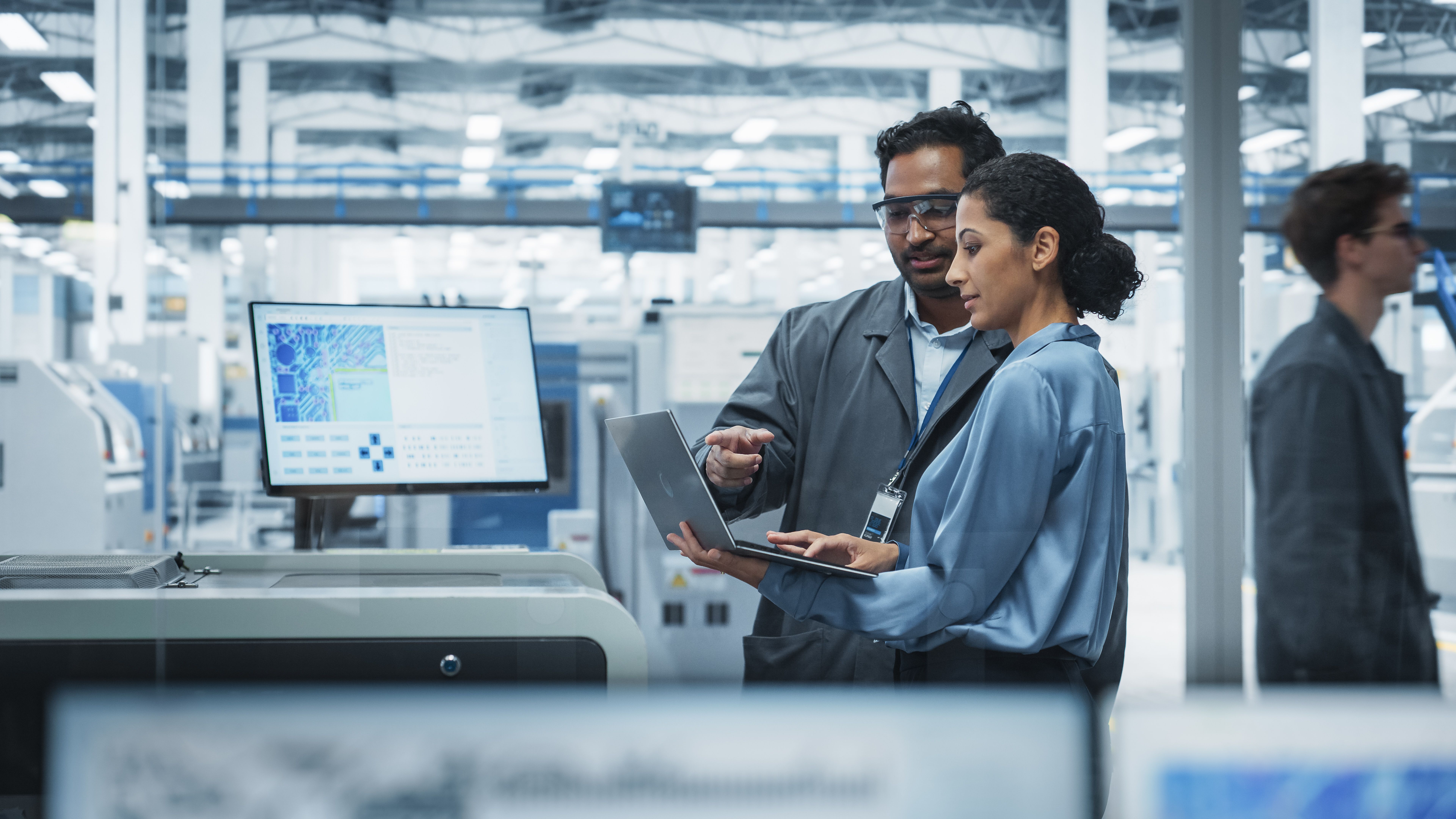
The process of creating a digital twin involves gathering real-time data from sensors embedded in the physical structure. This data is then used to update and refine the virtual model, ensuring it accurately reflects the real-world conditions. As a result, digital twins provide a dynamic platform for monitoring and improving structural integrity.
Enhancing Structural Integrity
One of the most significant impacts of digital twins is their ability to enhance structural integrity. By simulating various stress factors and environmental conditions, engineers can predict potential failures and design more resilient structures. This proactive approach not only enhances safety but also extends the lifespan of the infrastructure.
Moreover, digital twins allow for continuous monitoring of a structure’s health. By analyzing data over time, engineers can detect subtle changes that might indicate wear and tear, enabling timely maintenance and repairs. This capability is crucial for critical structures like bridges, skyscrapers, and power plants.

Benefits Across Industries
The benefits of digital twins extend across various industries. In the aerospace sector, for example, they are used to monitor aircraft performance and predict maintenance needs. Similarly, in the automotive industry, digital twins help in designing safer and more efficient vehicles.
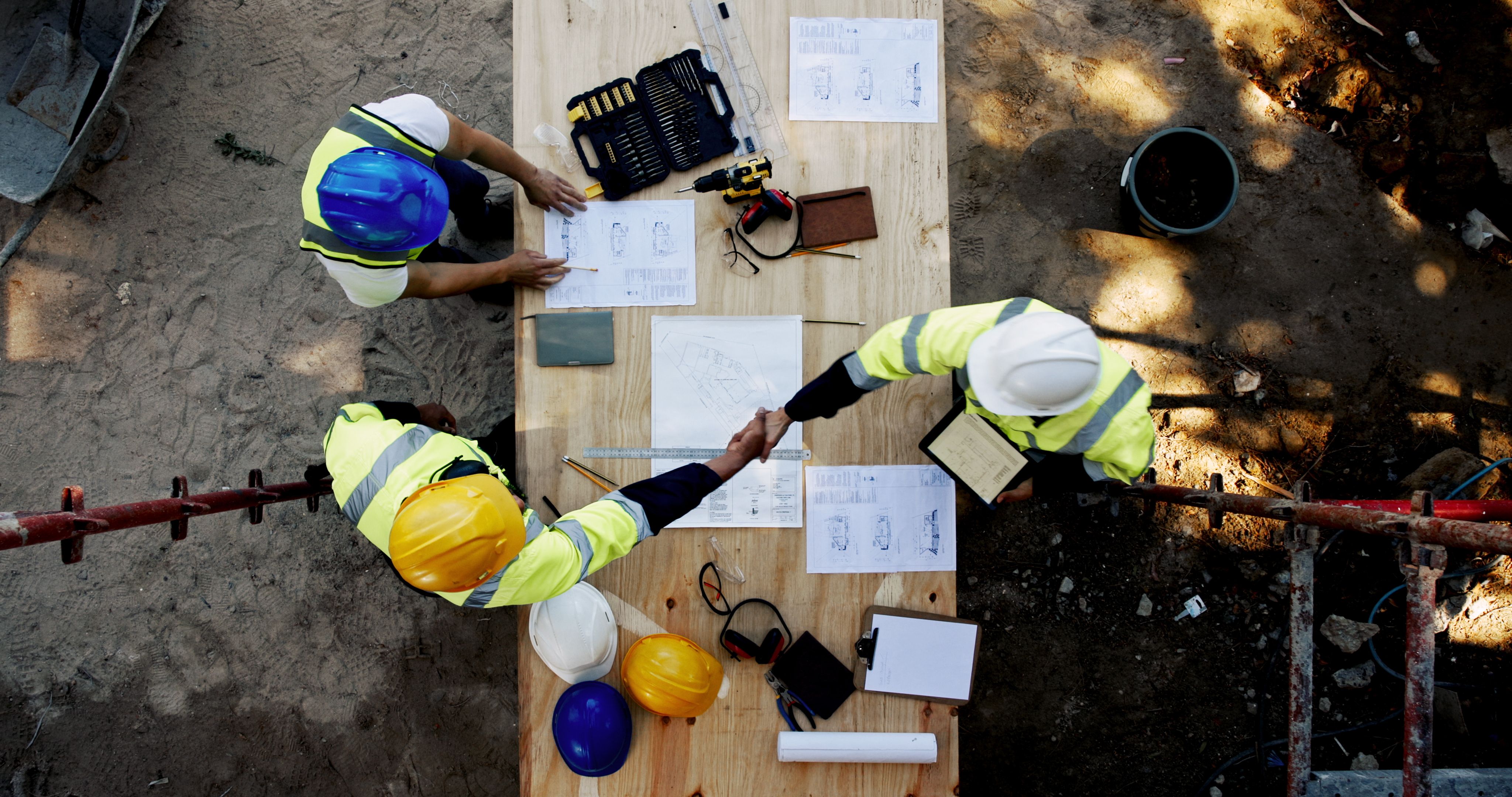
In the construction industry, digital twins facilitate better planning and execution of projects. By simulating construction processes, potential issues can be identified and resolved before actual building begins, saving both time and resources.
Challenges and Considerations
Despite their advantages, deploying digital twins comes with challenges. One of the primary concerns is data security. As digital twins rely on real-time data, ensuring that this information is protected from cyber threats is crucial.
Additionally, creating and maintaining accurate digital twins requires substantial computational resources and expertise. Organizations must invest in the right technology and skills to harness the full potential of digital twins effectively.
The Future of Digital Twins
As technology continues to evolve, the capabilities of digital twins are expected to expand further. Integration with artificial intelligence and machine learning will enable even more sophisticated analysis and decision-making processes.
In the future, digital twins may become standard practice in many industries, driving innovation and improving safety standards. As more organizations recognize their value, the adoption of digital twins is likely to grow, leading to smarter and more resilient infrastructure worldwide.