
Digital Twins and Continuous Monitoring: The Future of Building Assessments


The Rise of Digital Twins in Building Assessments
In the rapidly evolving world of architecture and construction, the concept of digital twins is gaining significant traction. A digital twin is a virtual replica of a physical building, offering a dynamic, real-time reflection of its counterpart. This technology enables architects, engineers, and facility managers to monitor and optimize building performance continually.
Digital twins integrate various data sources, including Internet of Things (IoT) sensors and Building Information Modeling (BIM), to provide an accurate, up-to-date representation of a building’s systems. This allows for more efficient management and maintenance, ultimately leading to cost savings and enhanced sustainability.
Continuous Monitoring: A Game Changer
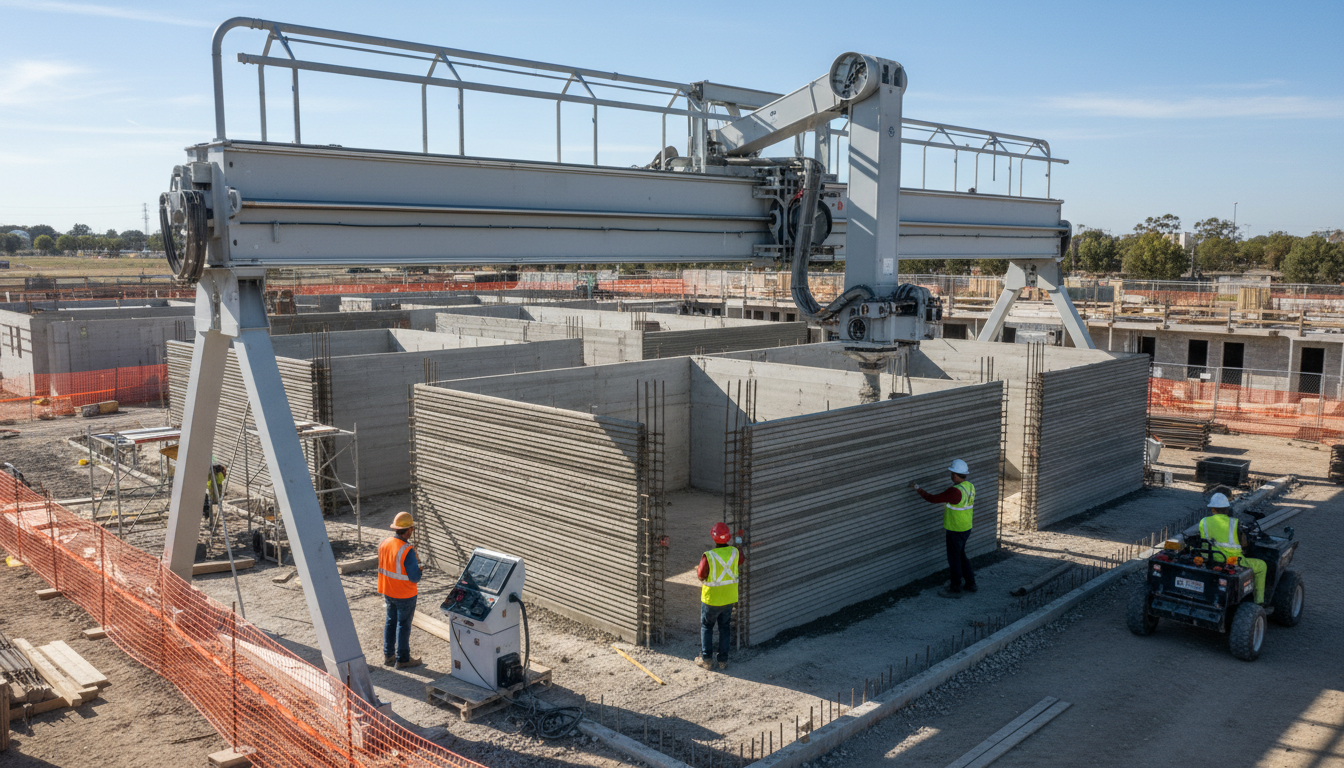
Continuous monitoring, when combined with digital twins, is revolutionizing building assessments. This approach involves the ongoing collection and analysis of data to ensure optimal building performance. It allows facility managers to detect anomalies, predict maintenance needs, and make informed decisions swiftly.
By leveraging continuous monitoring, building operators can transition from reactive to proactive management strategies. This shift not only improves operational efficiency but also extends the lifespan of building components and systems.

Benefits of Integrating Digital Twins and Continuous Monitoring
The integration of digital twins with continuous monitoring offers numerous advantages, including:
- Enhanced Efficiency: Real-time data analysis helps in identifying inefficiencies and optimizing energy usage.
- Predictive Maintenance: Early detection of potential issues reduces downtime and repair costs.
- Improved Sustainability: Monitoring energy consumption and reducing waste contribute to greener buildings.
Challenges and Considerations
Despite the promising benefits, implementing digital twins and continuous monitoring comes with its challenges. These include data privacy concerns, the need for robust network infrastructure, and the integration of various technology systems.
Addressing these challenges requires a strategic approach, involving stakeholder collaboration and investment in advanced technologies. Ensuring data security and compliance with regulations is also paramount in this digital transformation journey.
Future Prospects
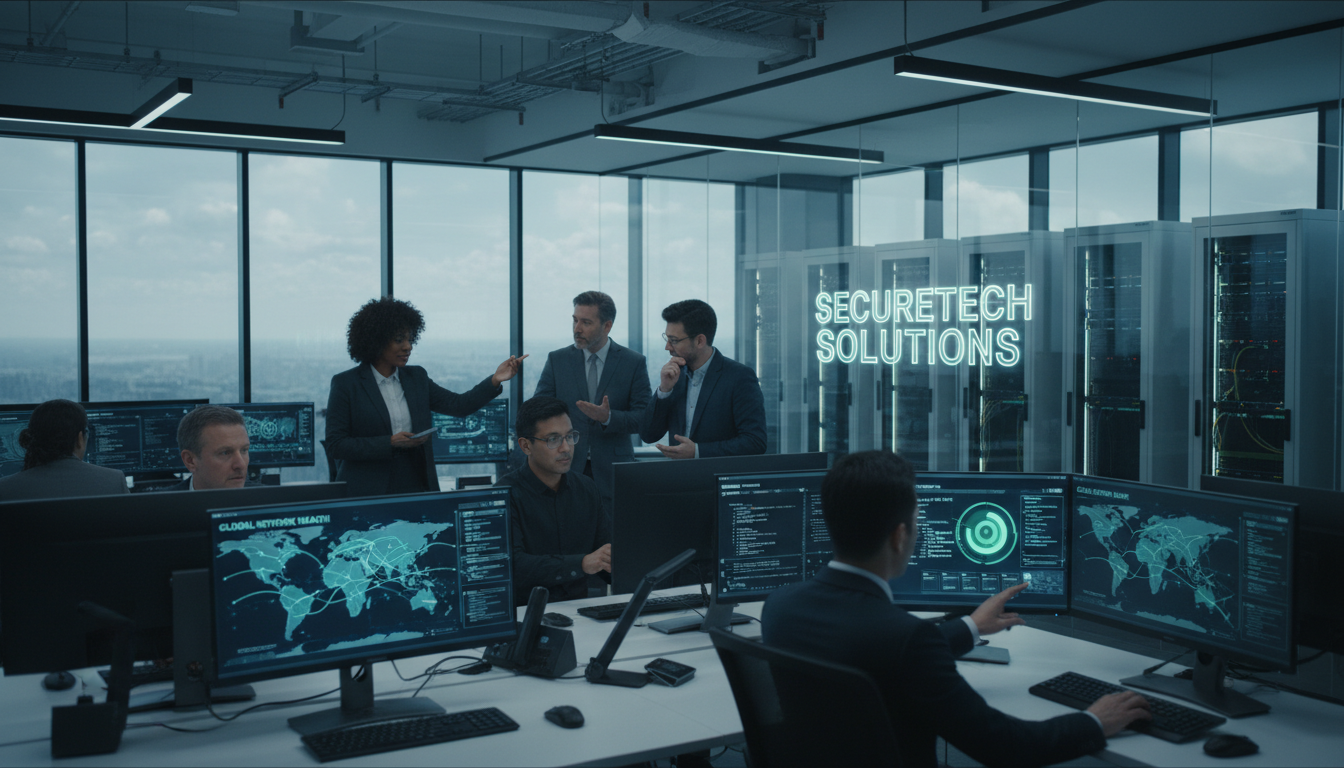
The future of building assessments lies in the seamless integration of digital twins and continuous monitoring. As technology continues to advance, we can expect even more sophisticated applications, such as AI-driven analytics and enhanced automation capabilities.
These innovations will further empower building managers to optimize performance, reduce costs, and improve occupant comfort. The potential for smart, self-regulating buildings is becoming a reality, driven by the synergy of digital twins and continuous monitoring.

Conclusion
The fusion of digital twins and continuous monitoring represents a significant leap forward in building assessments. By leveraging these technologies, stakeholders can achieve unprecedented levels of efficiency, sustainability, and cost-effectiveness.
As the industry continues to embrace this digital evolution, it is crucial to remain adaptable and forward-thinking, ensuring that our built environments meet the demands of the future while enhancing the quality of life for occupants.