
Debunking Myths: AI in Construction and Structural Analysis


Introduction to AI in Construction
The integration of Artificial Intelligence (AI) in the construction industry is revolutionizing the way projects are designed and executed. However, along with its growing presence, myths and misconceptions have emerged. This post aims to debunk these myths and shed light on the true capabilities of AI in construction and structural analysis.
Myth 1: AI Will Replace Human Workers
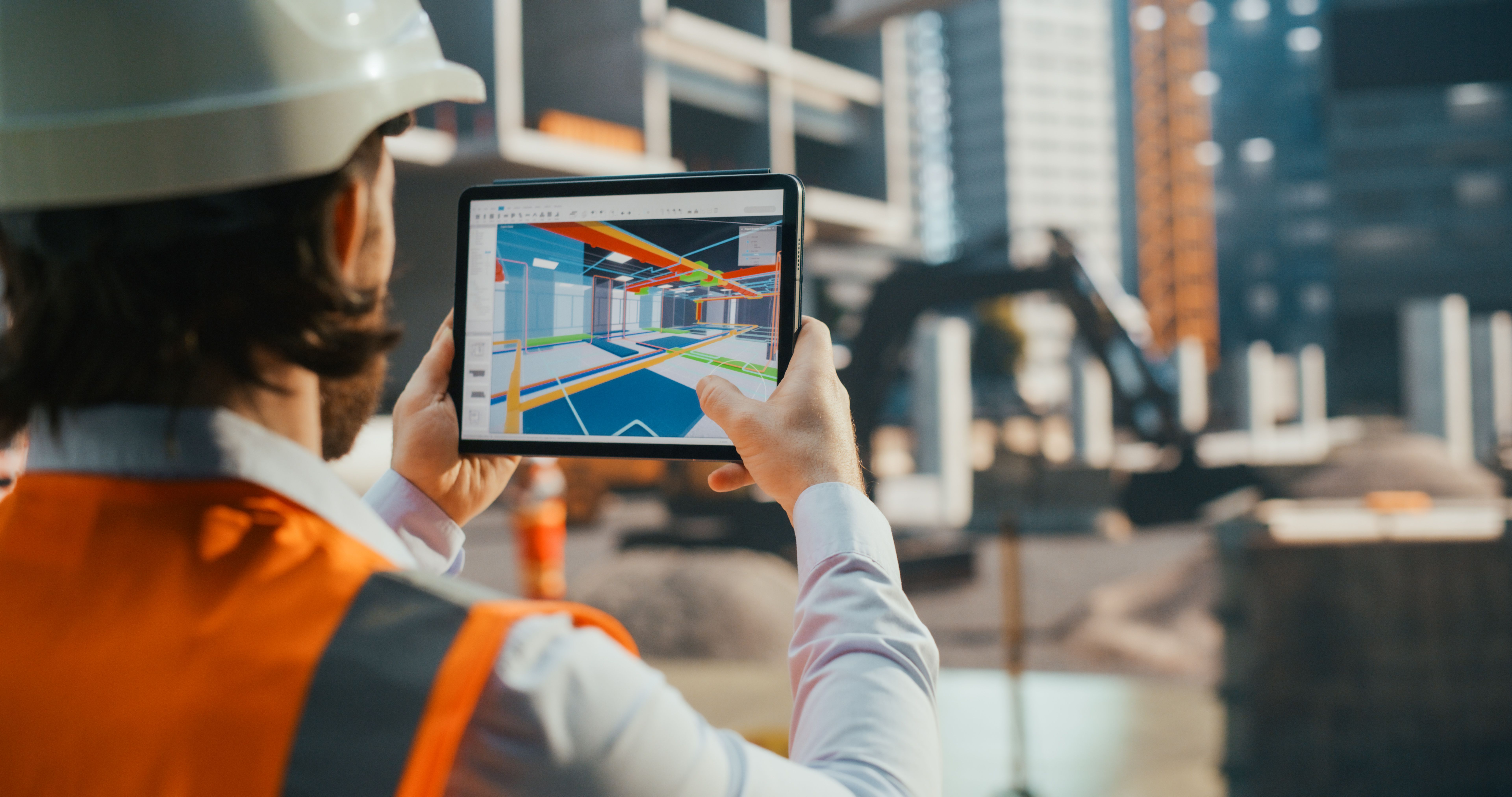
A common concern is that AI will replace human jobs in construction. In reality, AI is designed to enhance human capabilities, not replace them. By automating repetitive tasks, AI allows workers to focus on more complex and creative aspects of construction projects. This collaboration between humans and AI leads to improved efficiency and productivity.
AI as a Collaborative Tool
AI can analyze vast amounts of data quickly, providing insights that help human workers make informed decisions. For example, AI-powered software can predict potential structural issues before they become significant problems, allowing engineers to address them proactively.

Myth 2: AI Is Too Expensive for Small Projects
Another misconception is that AI is only suitable for large-scale projects with substantial budgets. However, AI solutions are becoming increasingly accessible and affordable, making them viable options for projects of all sizes. Many AI tools offer scalable solutions that can be tailored to the specific needs and budget constraints of smaller projects.
Cost-Effective Solutions
By reducing errors and streamlining processes, AI can actually lead to cost savings in the long run. For instance, AI-driven project management tools can optimize resource allocation, minimizing waste and reducing expenses.
Myth 3: AI Lacks the Creativity Needed for Design
Some skeptics argue that AI cannot match the creativity of human designers. While AI is not a substitute for human creativity, it can complement it. AI can assist in generating innovative design alternatives by analyzing existing patterns and trends, providing architects with a broader range of options.
Enhancing Architectural Design
AI tools can simulate various design scenarios, allowing architects to visualize and refine their ideas more effectively. This can lead to more innovative and sustainable designs, as AI considers factors like energy efficiency and material optimization.
Conclusion
While myths about AI in construction and structural analysis persist, the reality is that AI is an invaluable tool that complements human expertise. By enhancing efficiency, reducing costs, and supporting creativity, AI is paving the way for a smarter and more innovative construction industry. Embracing AI technology can lead to a future where construction projects are executed with greater precision and success.