
Creating Digital Twins: Revolutionizing Building Diagnostics


Understanding Digital Twins
In the ever-evolving landscape of technology, digital twins are emerging as a groundbreaking tool in building diagnostics. A digital twin is a virtual replica of a physical asset, process, or system, which allows for real-time monitoring and analysis. This innovative technology is transforming how buildings are managed and maintained, leading to more efficient and sustainable operations.
By utilizing digital twins, facility managers and engineers can simulate scenarios, predict potential issues, and optimize performance. This proactive approach not only saves time and resources but also enhances the overall safety and functionality of buildings.
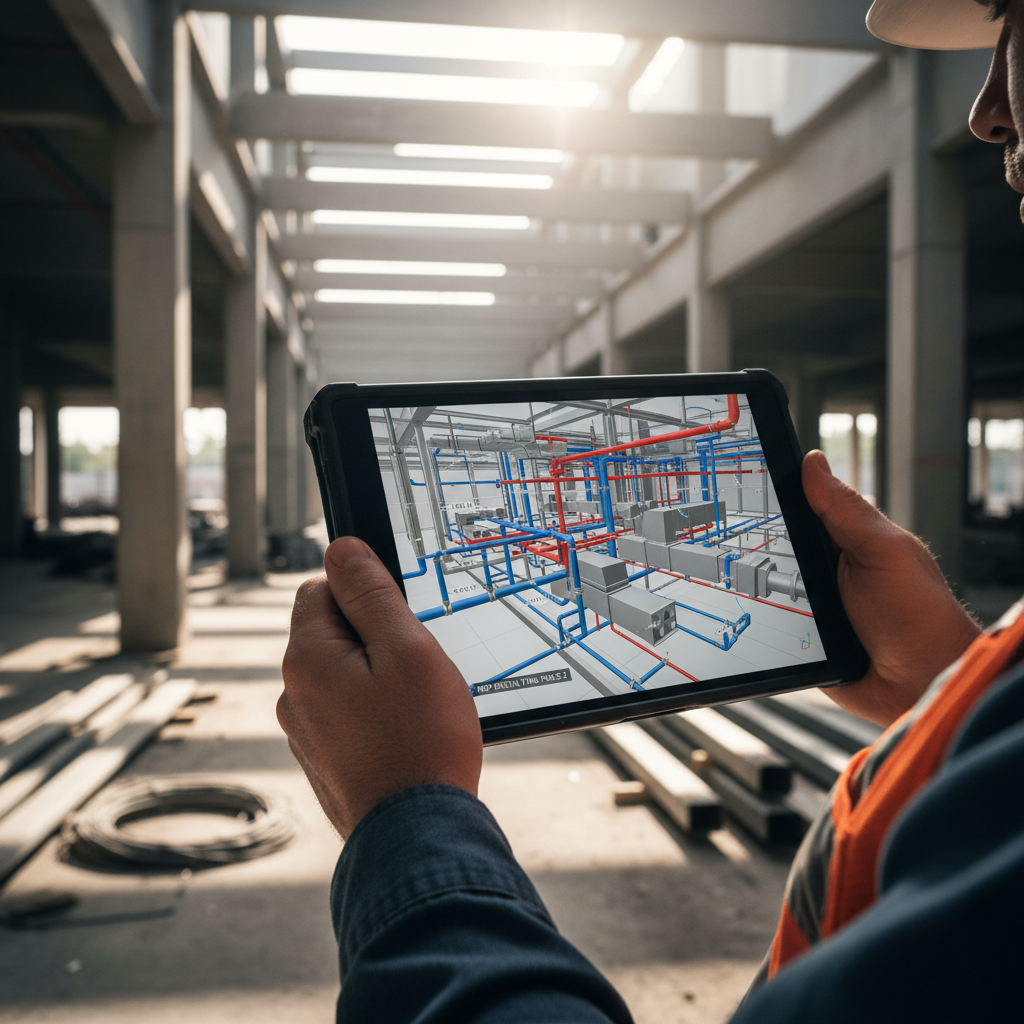
The Role of IoT in Digital Twins
The Internet of Things (IoT) plays a crucial role in the creation and operation of digital twins. IoT devices collect data from various sources within a building, such as HVAC systems, lighting, and security. This data is then used to create a comprehensive digital model that reflects the building's current state.
With IoT integration, digital twins can offer real-time insights into building performance. This continuous feedback loop enables facility managers to make informed decisions and implement corrective measures swiftly, thereby reducing downtime and enhancing efficiency.
Enhancing Predictive Maintenance
One of the most significant benefits of digital twins is their ability to enhance predictive maintenance strategies. By analyzing data from the digital twin, potential issues can be identified before they escalate into costly repairs or system failures.
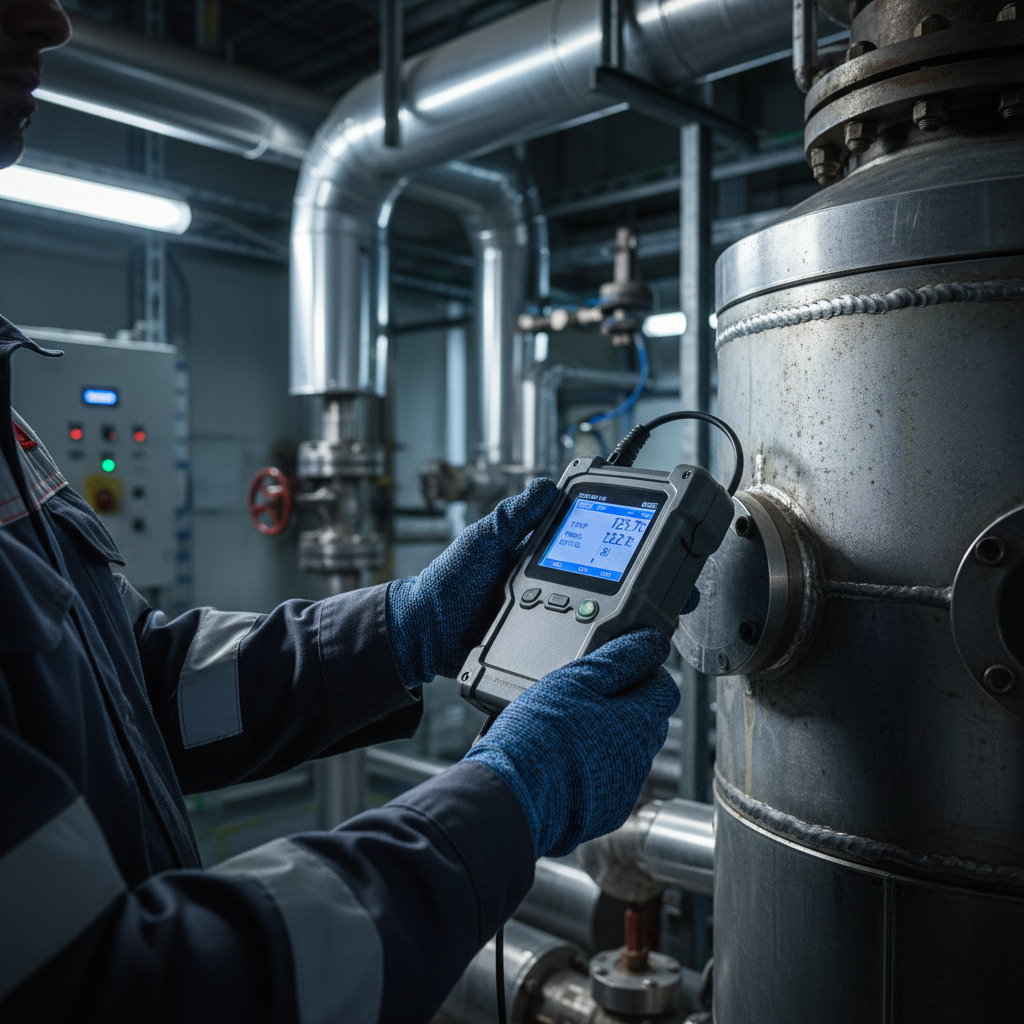
Implementing predictive maintenance with digital twins involves several key steps:
- Data Collection: Gather data from sensors and IoT devices.
- Data Analysis: Utilize analytics to detect patterns and anomalies.
- Action: Implement maintenance activities based on insights.
Optimizing Energy Efficiency
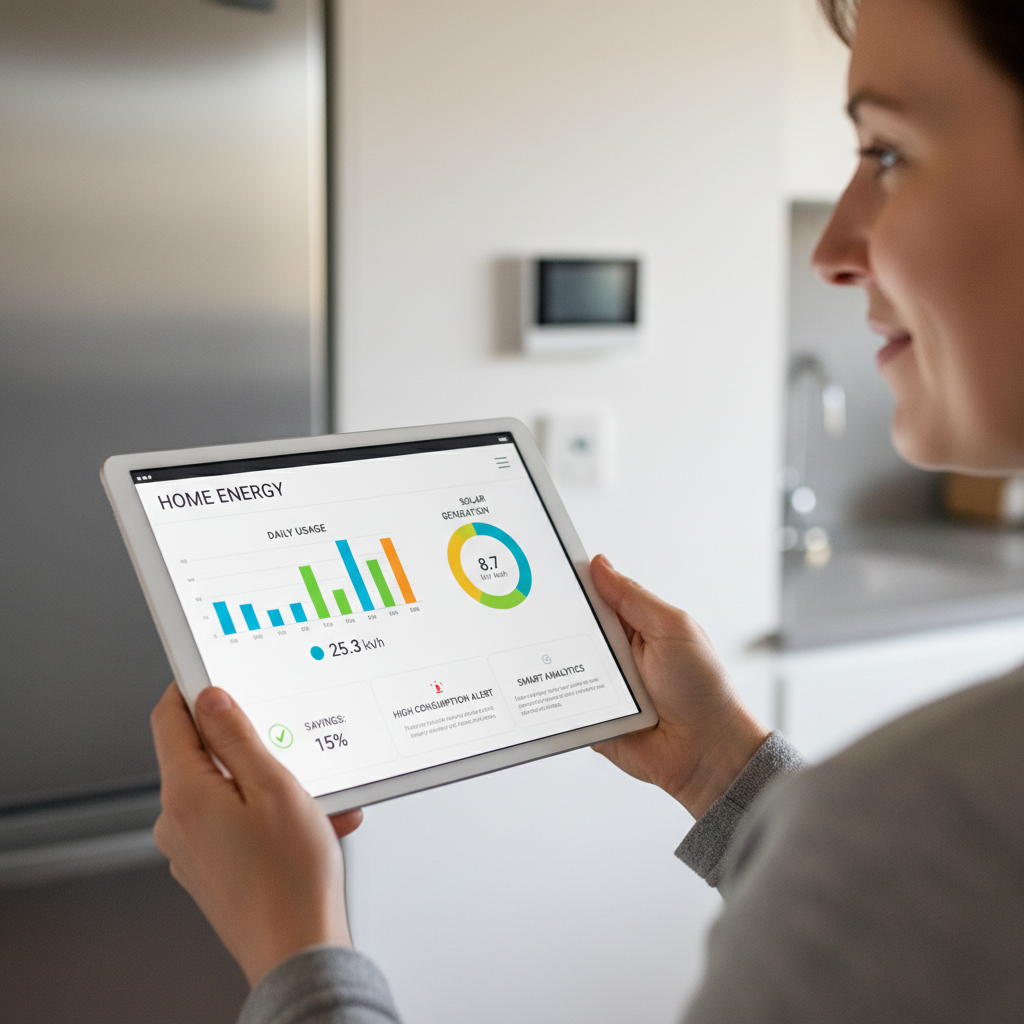
Digital twins are instrumental in optimizing energy efficiency within buildings. By simulating different energy scenarios, they help identify areas where energy consumption can be reduced without compromising comfort or performance.
For instance, digital twins can model the impact of various HVAC settings or lighting configurations, allowing building managers to implement the most efficient options. This not only reduces energy costs but also contributes to sustainability goals.
Improving Building Design
Beyond diagnostics and maintenance, digital twins are also revolutionizing building design. Architects and engineers can use digital twins during the planning phase to simulate how a building will perform under different conditions.
This predictive capability helps design more resilient and adaptable structures. By testing various design elements virtually, potential issues can be addressed before construction begins, saving time and reducing costs.
The Future of Building Management
As digital twins continue to evolve, their impact on building diagnostics and management will only grow. The integration of artificial intelligence and machine learning will further enhance their capabilities, providing even more precise and actionable insights.
The adoption of digital twins is not just a trend but a necessity for modern building management. By leveraging this technology, businesses can ensure their buildings are not only efficient and sustainable but also future-ready.