
Comprehensive Guide to Structural Health Monitoring with IoT Sensors


Introduction to Structural Health Monitoring
Structural Health Monitoring (SHM) is a cutting-edge approach to assessing the condition of structures such as bridges, buildings, and tunnels. By utilizing advanced technologies, SHM ensures the safety and longevity of these critical infrastructures. With the advent of the Internet of Things (IoT), SHM has become more efficient and accessible, offering real-time data and insights.

The Role of IoT Sensors in SHM
IoT sensors are pivotal in modern SHM systems. These devices can detect and measure various parameters, including stress, temperature, and vibrations. The integration of IoT sensors allows for continuous monitoring, reducing the need for manual inspections and providing timely alerts about potential issues.
Some key benefits of using IoT sensors in SHM include:
- Real-time data collection: Provides continuous insights into the structural integrity.
- Cost-effectiveness: Reduces the need for frequent on-site inspections.
- Improved safety: Early detection of potential failures prevents accidents.
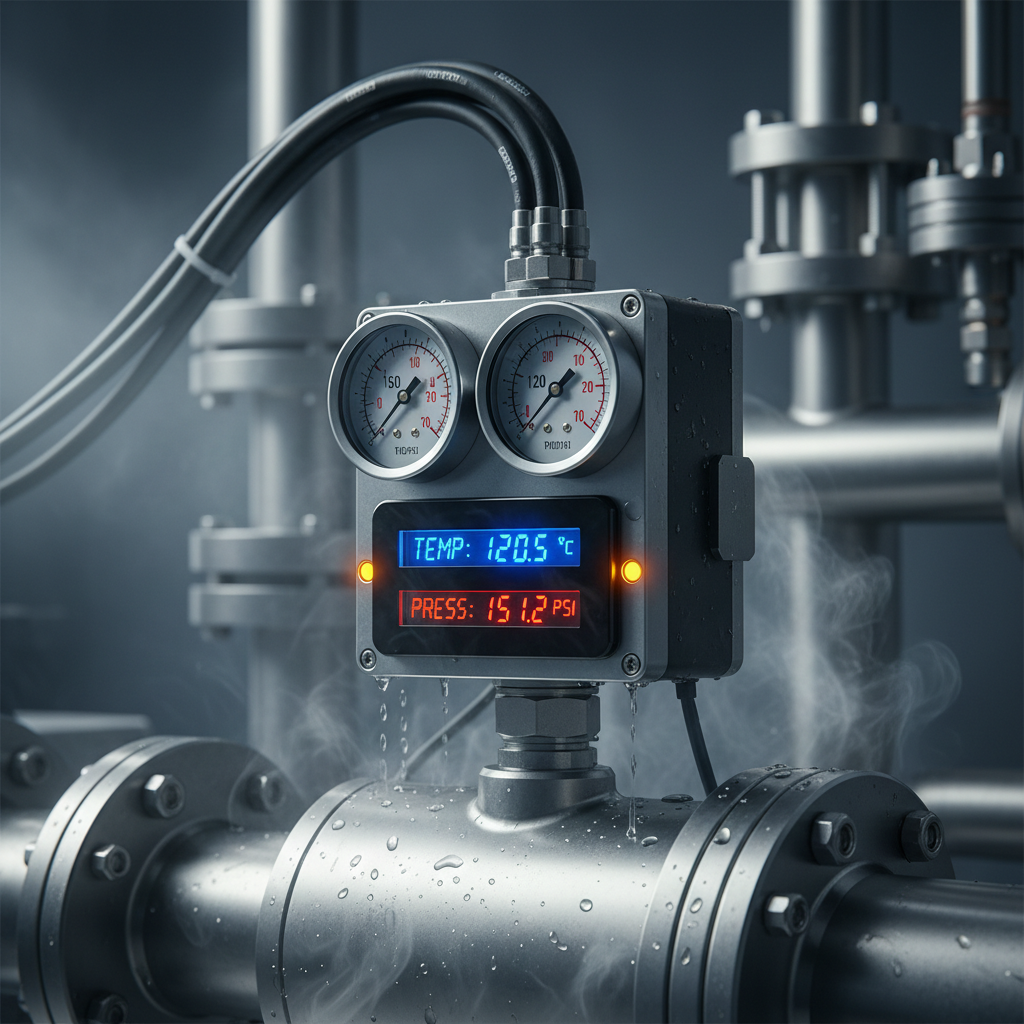
Types of IoT Sensors Used in SHM
Various types of IoT sensors are used in SHM to monitor different aspects of a structure's health. These include:
- Accelerometers: Measure vibrations and movements.
- Strain gauges: Detect changes in structural load and stress.
- Temperature sensors: Monitor temperature fluctuations that may affect material integrity.
- Humidity sensors: Track moisture levels that can lead to corrosion.

Implementing SHM with IoT Sensors
Implementing an SHM system with IoT sensors involves several key steps. First, a thorough assessment of the structure is necessary to identify critical areas that need monitoring. Next, appropriate sensors are selected and strategically placed to capture relevant data. Finally, data is collected and analyzed using advanced software tools, providing actionable insights.
It's crucial to ensure that the sensors are properly calibrated and maintained to guarantee accurate data collection. Regular updates to the software and hardware components also contribute to the system's effectiveness.
Challenges and Future Trends
Despite the advantages, there are challenges in implementing IoT-based SHM systems. These include data management complexities, cybersecurity concerns, and the initial costs of setting up the system. However, technological advancements continue to address these issues, making SHM more accessible and reliable.

The future of SHM with IoT sensors is promising. Innovations such as AI-driven analytics and machine learning are expected to enhance data interpretation, leading to more accurate predictions and preventive measures. As technology evolves, SHM will continue to play a vital role in maintaining the safety and resilience of our infrastructure.