
Comprehensive Guide to AI Structural Assessments for Florida's High-Rises


Understanding AI Structural Assessments
As Florida's skyline continues to evolve, ensuring the structural integrity of high-rises is more crucial than ever. AI structural assessments have emerged as a groundbreaking solution, offering precise and efficient evaluations. But what exactly do these assessments entail?
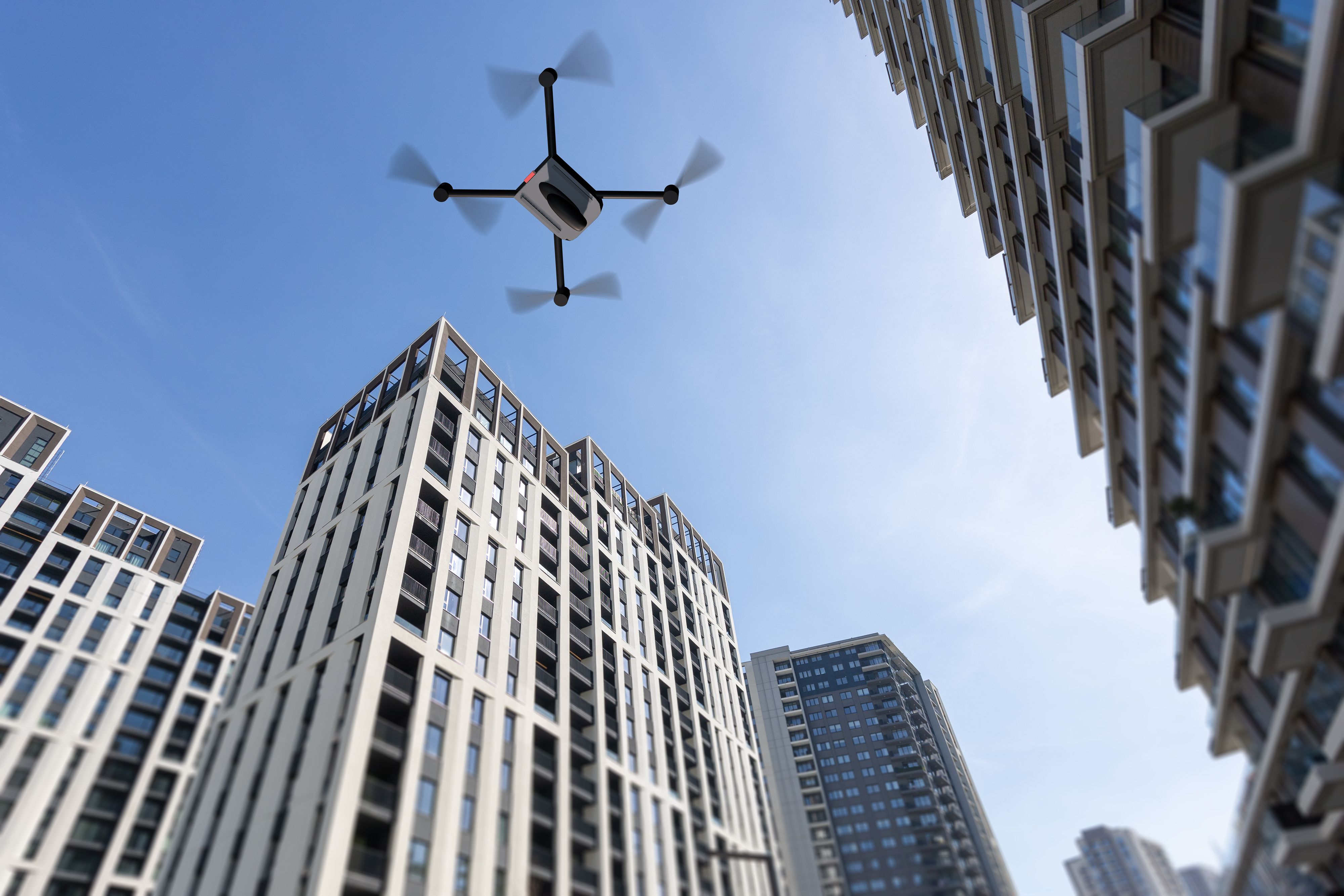
AI structural assessments utilize advanced algorithms and machine learning to analyze data from various sources, such as sensors and drones. These technologies provide detailed insights into the health of a building, identifying potential issues before they escalate.

Benefits of AI in Structural Assessments
Implementing AI in structural assessments offers numerous advantages. Firstly, it enhances accuracy by minimizing human error. AI systems can process vast amounts of data quickly, identifying subtle changes that may be overlooked during manual inspections.
Secondly, AI assessments are more cost-effective. By automating routine checks, building owners can reduce labor costs and focus resources on addressing critical issues. Additionally, regular AI assessments extend the lifespan of structures by ensuring timely maintenance.

How AI Structural Assessments Work
The process begins with data collection using drones and sensors placed strategically around the building. These tools capture high-resolution images and real-time data, which are then analyzed by AI systems.
The AI models assess factors like material degradation, structural shifts, and environmental impact. This information is compiled into comprehensive reports, highlighting areas that require attention and suggesting preventive measures.
Challenges and Considerations
Despite its advantages, AI in structural assessments is not without challenges. One major consideration is the initial setup cost, which can be substantial. However, the long-term savings often justify this investment.
There is also the need for skilled professionals to interpret AI-generated data accurately. While AI can identify potential issues, human expertise is essential to make informed decisions and implement solutions effectively.
The Future of AI in Building Safety
As technology advances, the role of AI in structural assessments is expected to expand. Future developments may include enhanced predictive capabilities, allowing for even more proactive maintenance strategies.
In Florida, where high-rises face unique challenges due to hurricanes and humidity, AI structural assessments are set to become a standard practice, ensuring the safety and longevity of these towering structures.
Conclusion
AI structural assessments represent a significant step forward in maintaining the integrity of high-rises in Florida. By leveraging cutting-edge technology, building owners can ensure their structures remain safe and resilient against the elements.
With continued advancements, AI will undoubtedly play a pivotal role in the future of urban development, safeguarding our cities and enhancing the quality of life for residents.