
Case Study: Successful Structural Assessments with AI Structural Vision


Introduction to AI Structural Vision
In recent years, the integration of AI into various industries has opened up new possibilities and efficiencies. One area where AI has made a significant impact is in structural assessments. AI Structural Vision is at the forefront of this innovation, providing accurate and efficient structural evaluations that save time, reduce costs, and enhance safety.

How AI Structural Vision Works
AI Structural Vision leverages advanced algorithms and machine learning to assess the integrity of structures. By analyzing data from various sensors and cameras, the AI can detect potential weaknesses and suggest necessary repairs. This process is much faster and more accurate than traditional methods, which rely heavily on manual inspections.
The AI system is trained to recognize patterns and anomalies that might be invisible to the human eye. It can analyze large data sets from different sources, providing a comprehensive overview of a structure's health. This capability is particularly valuable in industries where safety is paramount, such as construction and infrastructure.
Case Study: Transforming Traditional Assessments
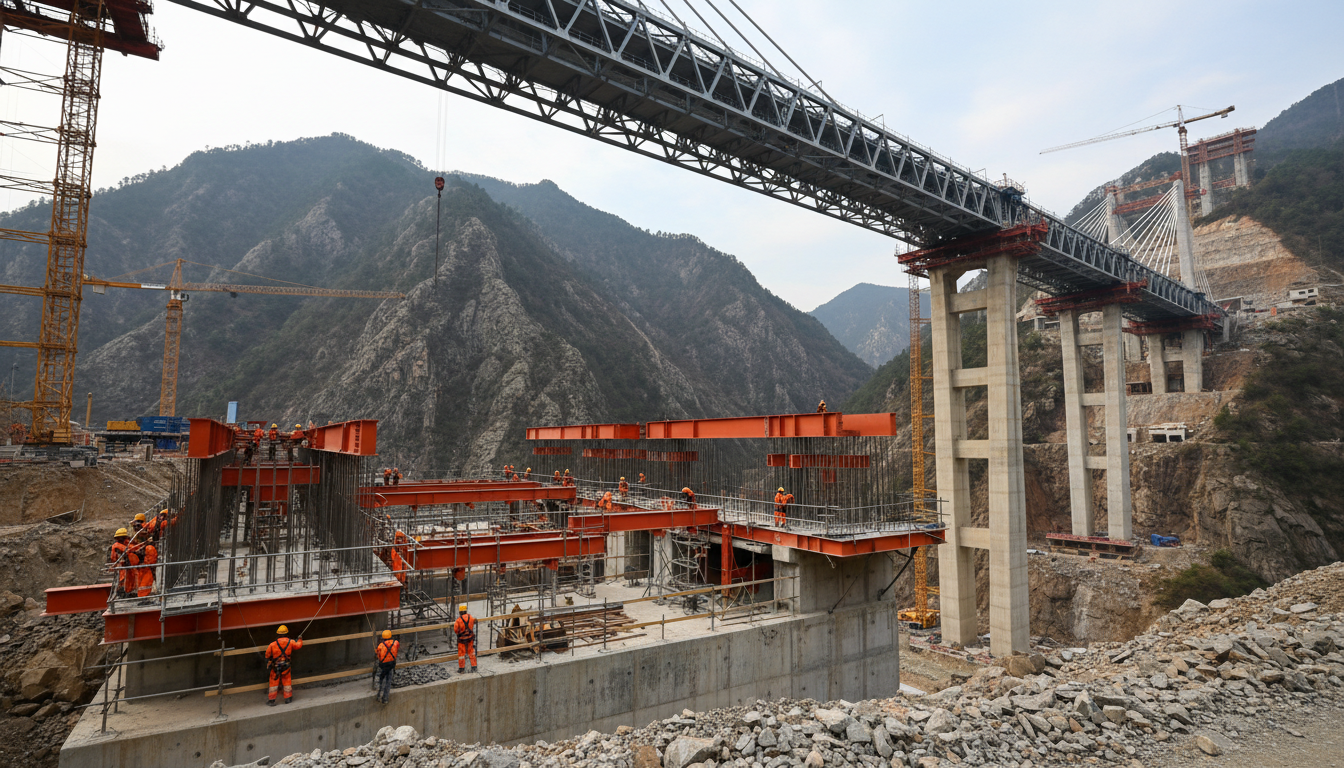
One notable success story involves a leading construction company that adopted AI Structural Vision for their bridge inspections. Traditionally, these inspections were labor-intensive and time-consuming, often requiring road closures and extensive manpower. By implementing AI Structural Vision, the company reduced inspection times by 50% while increasing the accuracy of their assessments.
Benefits Realized
The benefits of using AI Structural Vision were manifold. Some of the key advantages included:
- Efficiency: Faster inspections led to reduced downtime and less disruption to traffic.
- Cost-Effectiveness: Lower labor costs and fewer resources were needed, resulting in significant savings.
- Enhanced Safety: Early detection of structural issues helped prevent potential failures, safeguarding both workers and the public.
Implementation Challenges and Solutions
Despite its advantages, the integration of AI Structural Vision did present some challenges. Resistance to change was a significant hurdle, as some team members were hesitant to trust AI over human expertise. To address this, the company organized training sessions to demonstrate the AI's capabilities and accuracy.
Another challenge was ensuring data compatibility between existing systems and the new AI solution. The company worked closely with AI Structural Vision's technical team to customize the integration process, ensuring seamless operation across all platforms.

Future Prospects
The success of AI Structural Vision in this case study highlights the potential for AI to revolutionize structural assessments across various industries. As technology continues to evolve, the accuracy and capabilities of AI systems will only improve, offering even greater benefits.
Looking forward, AI Structural Vision plans to expand its services to include predictive maintenance. By analyzing trends and data over time, the AI can predict when a structure might require maintenance, allowing for proactive measures rather than reactive solutions.
Conclusion
AI Structural Vision represents a significant advancement in how structural assessments are conducted. By combining cutting-edge technology with practical applications, it offers a powerful tool for enhancing efficiency, safety, and cost-effectiveness in structural evaluations. As more companies recognize the benefits, AI Structural Vision is poised to become a standard in the industry.