
Case Study: Successful AI Structural Assessments in Walton County


Introduction to AI Structural Assessments
In recent years, the integration of artificial intelligence in structural assessments has transformed how engineers and architects approach their work. Walton County is a standout example, showcasing remarkable success in using AI to enhance the accuracy and efficiency of building evaluations.

AI-driven assessments are not merely about automation; they bring a level of precision previously unattainable. By harnessing machine learning algorithms, engineers can swiftly analyze complex data, identifying potential structural weaknesses and areas needing reinforcement.
Implementation in Walton County
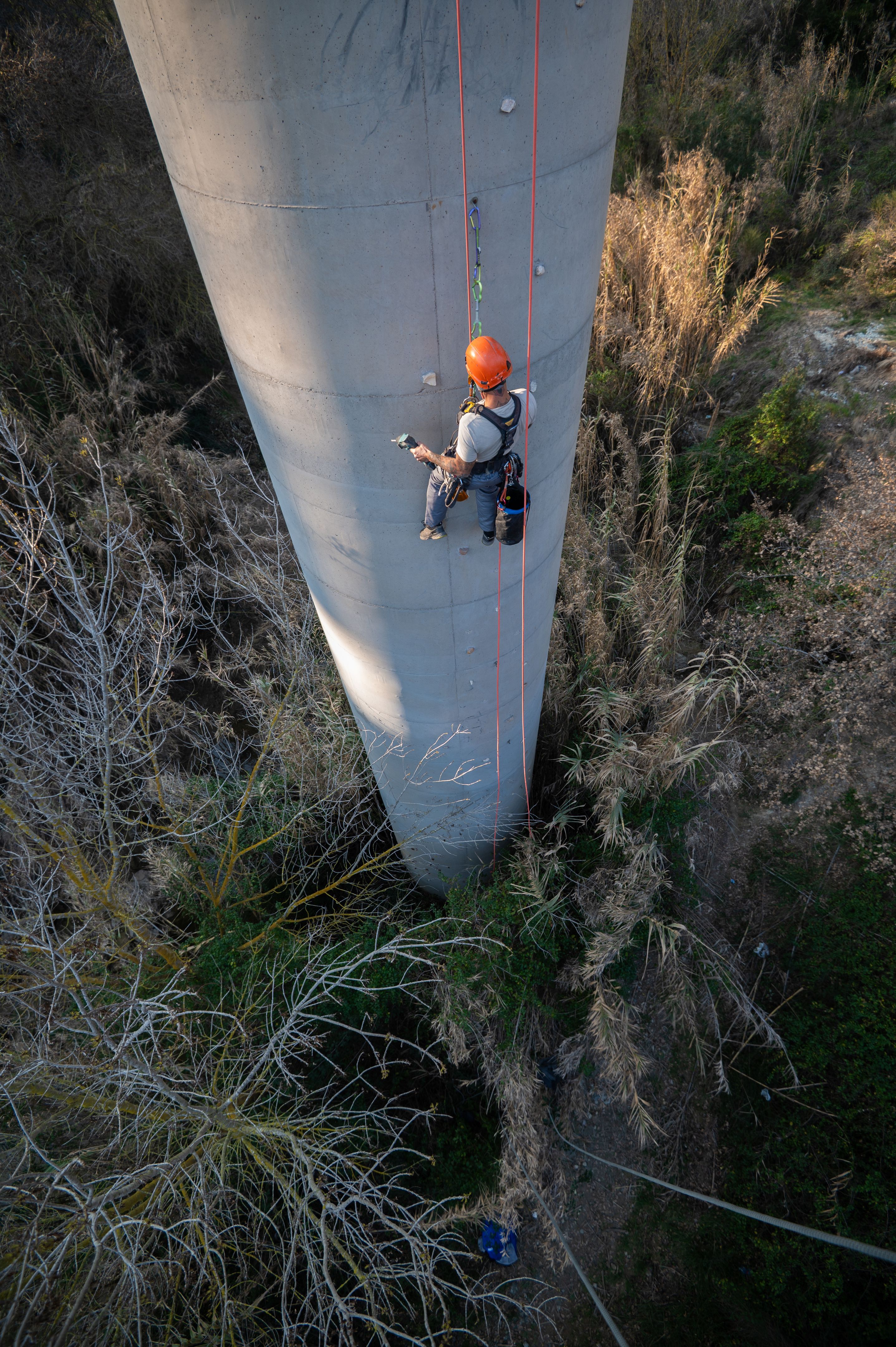
Walton County has been at the forefront of adopting AI technology for structural assessments. The county's initiative began with a pilot program aimed at improving the safety and reliability of public infrastructure. This program quickly expanded to cover a broader range of structures, from bridges to historical buildings.
The implementation process involved collaboration with tech firms specializing in AI solutions. These partnerships have enabled the county to customize AI tools, ensuring they meet specific local needs and regulatory standards.
Key Benefits Observed
Several benefits have emerged from the AI-driven approach to structural assessments. Among the most significant are:
- Increased Accuracy: AI algorithms reduce human error, improving the precision of assessments.
- Time Efficiency: What once took weeks can now be completed in days, if not hours.
- Cost Savings: Early detection of issues can prevent costly repairs and maintenance.
These advantages contribute to safer infrastructure and more effective allocation of resources, underscoring the value of AI in structural integrity management.
Challenges and Solutions
Despite the success, the integration of AI in Walton County faced several challenges. One notable issue was the initial resistance from professionals accustomed to traditional assessment methods. To overcome this, extensive training programs were conducted, aimed at demonstrating the technology's capabilities and benefits.

Another challenge was ensuring data accuracy. AI systems rely on high-quality data inputs, necessitating robust data collection and management practices. Walton County addressed this by investing in advanced sensors and data infrastructure.
Future Prospects
The success in Walton County sets a powerful precedent for other regions. As AI technology continues to evolve, its application in structural assessments is expected to expand further, offering even greater precision and operational efficiency.
Looking ahead, the county plans to explore AI’s potential in predictive maintenance, using data analytics to forecast structural failures before they occur, thereby extending the lifespan of critical infrastructures.