
Case Study: Enhancing Structural Integrity with AI in Florida


Introduction to AI in Structural Engineering
As the world continues to advance technologically, the field of structural engineering is experiencing a transformation. In Florida, known for its variable climate and unique structural challenges, integrating Artificial Intelligence (AI) into engineering processes is proving to be a game-changer. This case study explores how AI is enhancing structural integrity across the state.

Challenges in Florida’s Structural Landscape
Florida faces unique challenges due to its geography, including hurricanes, high humidity, and corrosive saltwater environments. These factors necessitate robust structural designs capable of withstanding extreme conditions. Engineers have traditionally relied on conventional methods to ensure structural integrity, but these methods can be time-consuming and error-prone.
With the introduction of AI, engineers are now equipped with advanced tools to predict potential structural failures and optimize designs. This shift not only saves time but also significantly enhances the accuracy of predictions, leading to safer structures.
AI-Powered Predictive Analytics
One of the primary benefits of AI in structural engineering is its predictive analytics capabilities. By analyzing historical data and current environmental conditions, AI systems can forecast potential structural issues before they occur. This proactive approach allows engineers to address vulnerabilities early, reducing maintenance costs and prolonging the lifespan of structures.

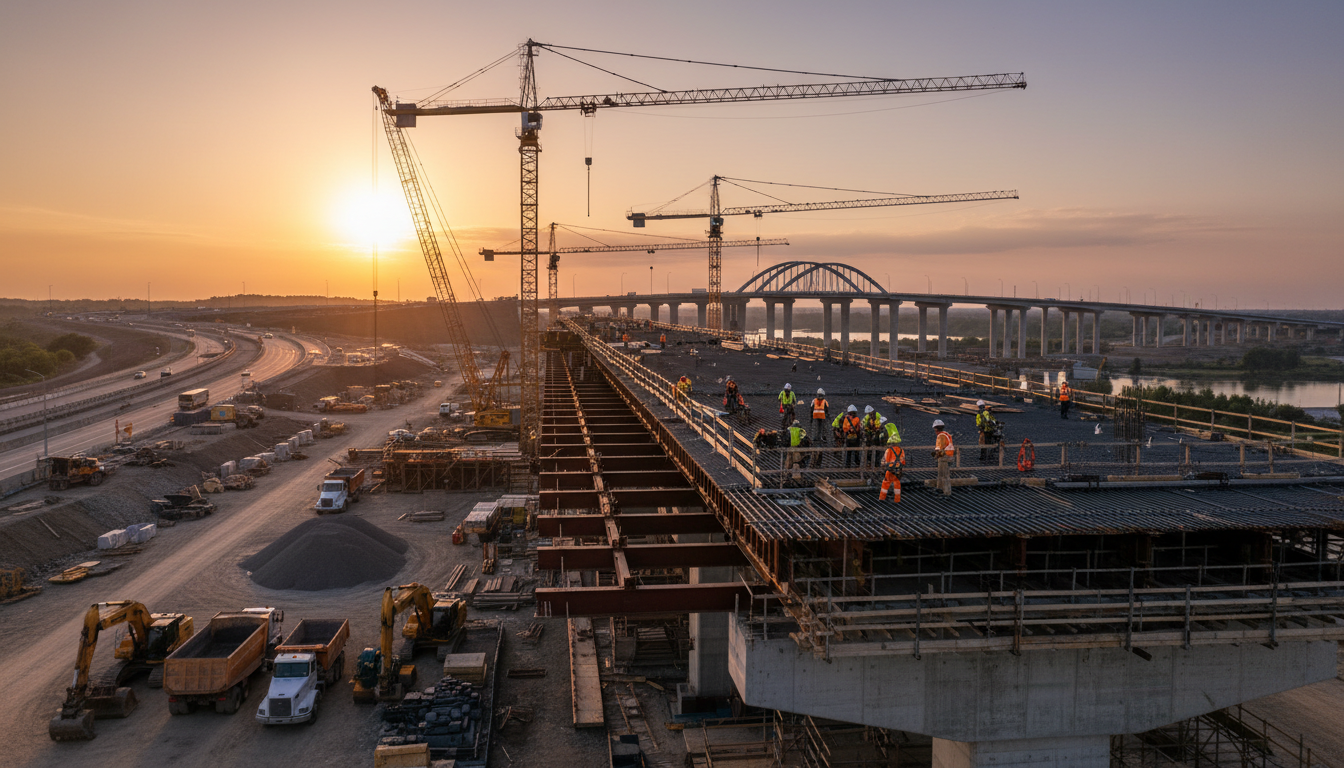
Case Study: A Florida Bridge Project
A recent bridge project in Florida demonstrates the efficacy of AI in enhancing structural integrity. By employing AI-driven simulations, engineers were able to model various stress scenarios under different environmental conditions. This allowed for the optimization of materials and design, ensuring the bridge could withstand Florida’s harsh weather patterns.
The project also utilized AI to monitor the bridge post-construction. Sensors embedded in the structure continuously collect data, providing real-time insights into the bridge’s condition. This continuous monitoring enables early detection of potential issues, allowing for timely interventions.
Benefits of AI Integration
Integrating AI into structural engineering offers numerous benefits:
- Increased Accuracy: AI tools enhance the precision of structural assessments and design optimizations.
- Cost Efficiency: Predictive analytics help reduce maintenance and repair costs.
- Safety Enhancements: Early detection of structural issues leads to improved safety for end-users.
Future Prospects and Conclusion
As AI technology continues to evolve, its role in structural engineering is expected to expand. In Florida, where environmental challenges are prominent, the adoption of AI promises to revolutionize how structures are designed, built, and maintained. The success of projects like the Florida bridge highlights the potential for AI to create safer, more resilient infrastructure.
In conclusion, the integration of AI in structural engineering is not just a trend but a necessity for advancing safety and efficiency. As Florida continues to lead in adopting these technologies, other regions are likely to follow, setting a new standard for structural integrity worldwide.