AI vs. Traditional Methods: The Future of Structural Assessments


Introduction to Structural Assessments
Structural assessments are crucial for ensuring the safety and longevity of buildings and infrastructure. Traditionally, these assessments have relied on manual inspections and evaluations by experienced engineers. However, with the advent of artificial intelligence (AI), the landscape of structural assessments is rapidly evolving.
AI technologies offer innovative methods that promise to enhance accuracy, reduce costs, and improve efficiency. But how do these modern techniques compare with traditional methods? Let's explore the future of structural assessments.
The Traditional Approach
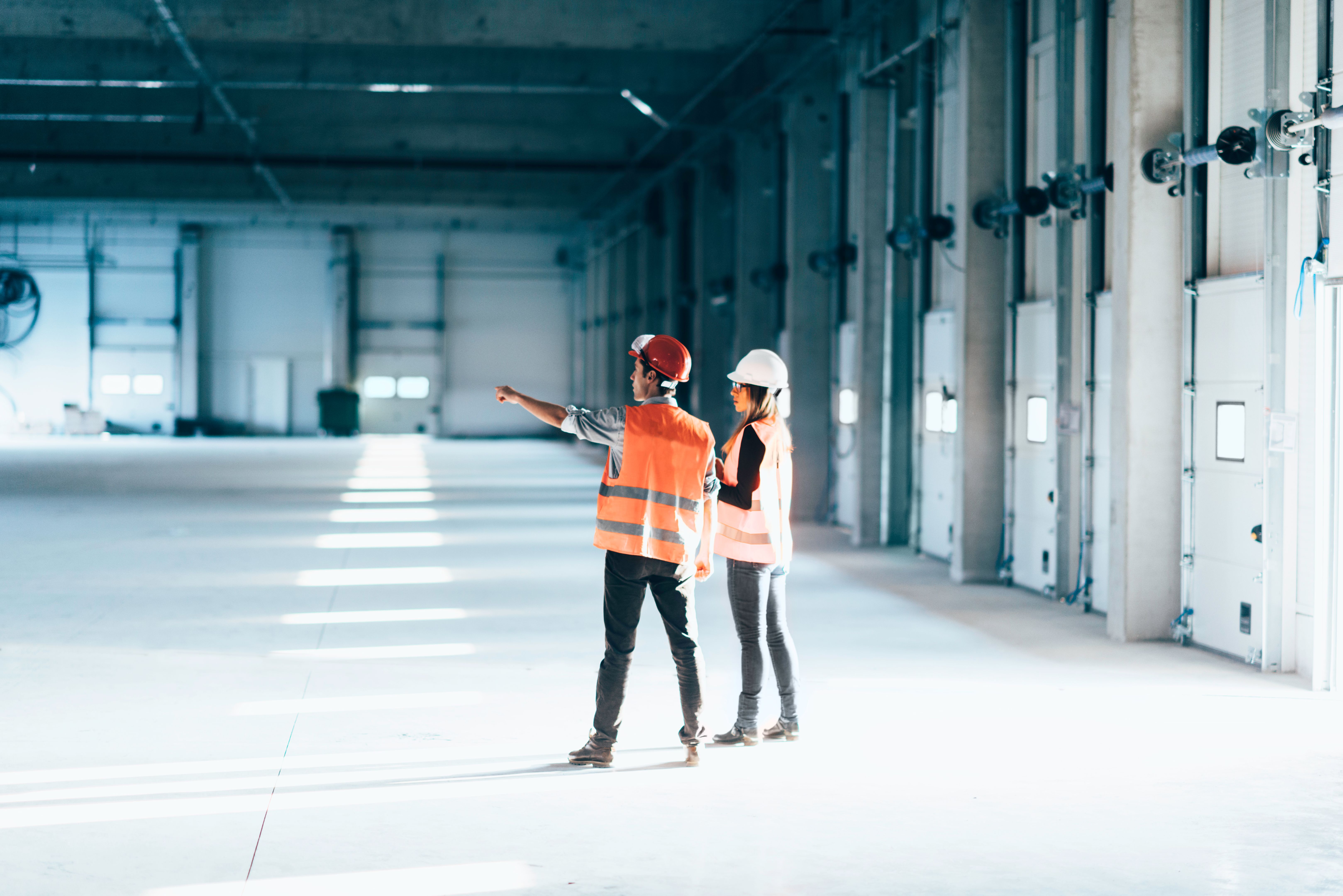
Conventional structural assessments involve a combination of visual inspections, manual measurements, and expert judgments. Engineers typically conduct thorough site visits, meticulously documenting any signs of wear, cracks, or potential weaknesses. This process is often time-consuming and labor-intensive, requiring a high level of expertise and experience.
Despite its thoroughness, traditional methods have limitations. Human error can occur, and subtle signs of structural issues may be overlooked. Furthermore, the process can be costly, especially for large or complex structures.
Advantages of Traditional Methods
Traditional methods have stood the test of time for several reasons:
- Expertise: Engineers bring invaluable knowledge and experience to the table.
- Thoroughness: Manual inspections ensure a comprehensive evaluation of a structure.
- Proven Track Record: These methods have been reliable for decades.

The Rise of AI in Structural Assessments
AI technologies, such as machine learning and computer vision, are transforming structural assessments. AI systems can analyze vast amounts of data quickly and identify patterns or anomalies that might be missed by human inspectors. Drones equipped with cameras and sensors are often used to gather data from hard-to-reach areas.
By leveraging AI, assessments can be conducted with greater speed and precision. Algorithms can process historical data, predict potential issues, and even suggest preventive measures, offering a proactive approach to maintaining structural integrity.
Benefits of AI-Driven Assessments
AI methods offer several advantages over traditional techniques:
- Efficiency: Faster data collection and analysis reduce the time required for assessments.
- Cost-Effectiveness: Lower labor costs and fewer site visits lead to significant savings.
- Accuracy: Advanced algorithms enhance detection capabilities and reduce human error.

Challenges and Considerations
Despite the benefits, integrating AI into structural assessments is not without challenges. The initial setup and training of AI systems can be costly and complex. Additionally, there is a learning curve for engineers to effectively utilize AI tools.
Furthermore, while AI can process data and identify patterns, it lacks the nuanced understanding and contextual insight that experienced engineers provide. Combining AI with human expertise is essential to achieving the best results.
The Future of Structural Assessments
The future of structural assessments likely lies in a hybrid approach that combines the strengths of both AI and traditional methods. By integrating AI technologies with human expertise, we can achieve more accurate, efficient, and cost-effective assessments.
As AI continues to advance, its role in structural assessments will expand, enabling smarter maintenance strategies and enhancing the safety and resilience of our infrastructure. Embracing this technological evolution is essential for meeting the challenges of the future.