
AI in Construction: Transforming Structural Assessments for Future Resilience


Revolutionizing Structural Assessments with AI
Artificial Intelligence (AI) is rapidly transforming industries, and construction is no exception. As we look towards a future of more resilient structures, AI plays a crucial role in enhancing the accuracy and efficiency of structural assessments. This technological integration not only optimizes the construction process but also ensures the longevity and safety of buildings.
Enhancing Accuracy with AI-Powered Tools
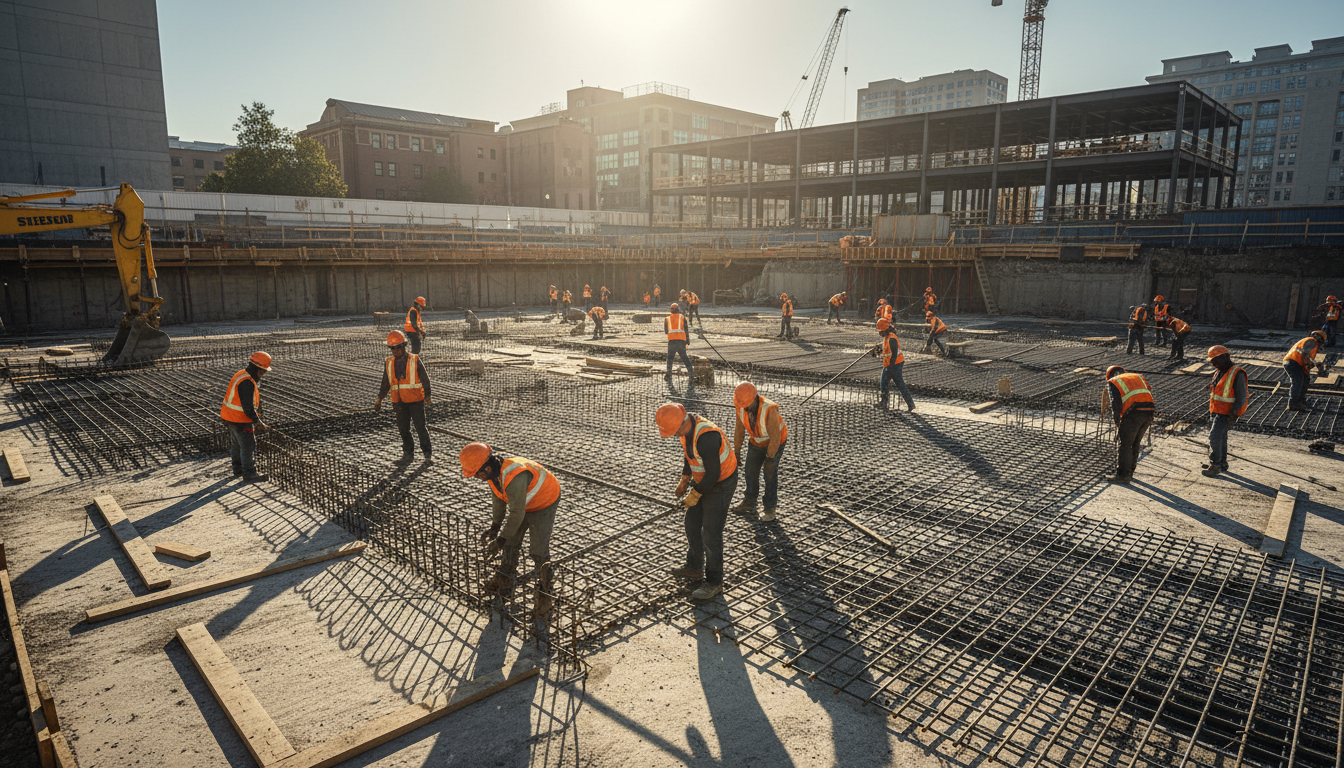
AI-powered tools have the ability to analyze vast amounts of data, providing insights that were previously unattainable. These tools can identify potential weaknesses in structures by assessing historical data, current conditions, and environmental factors. By doing so, construction teams can predict and mitigate risks before they become critical issues.
Moreover, AI algorithms are capable of learning and improving over time. This means that the more data they process, the more accurate their predictions and assessments become. This continuous improvement cycle is essential for maintaining the structural integrity of buildings in the face of changing environmental conditions.
Streamlining Processes and Reducing Costs
The integration of AI in construction not only enhances accuracy but also streamlines various processes. Automated systems can handle repetitive tasks, reducing the time and manpower required for assessments. This efficiency translates into significant cost savings for construction companies, allowing them to allocate resources more effectively.

Furthermore, AI can assist in optimizing maintenance schedules, ensuring that repairs and upgrades are conducted at the most opportune times. This proactive approach minimizes downtime and extends the lifespan of structures, providing a better return on investment.
Improving Safety and Compliance
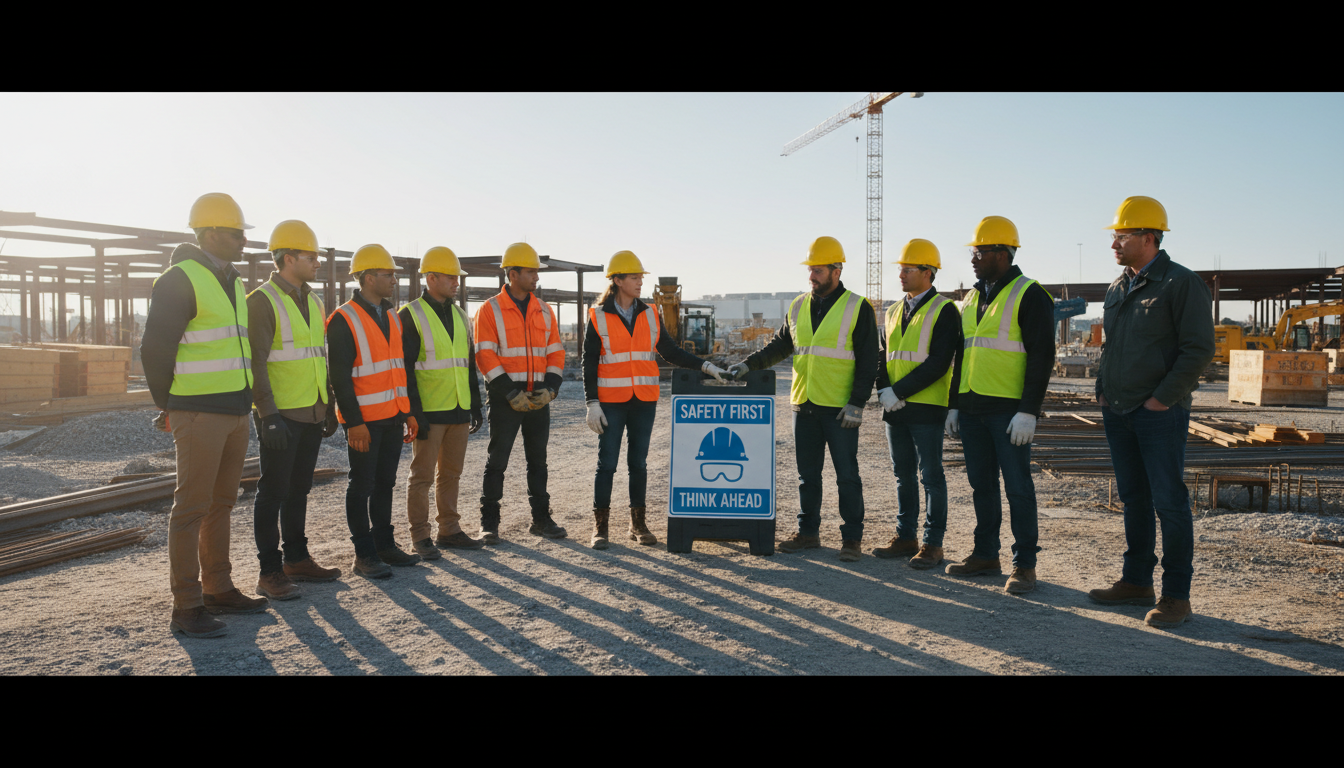
Safety is a paramount concern in the construction industry. AI-driven systems can monitor construction sites in real-time, identifying potential hazards and ensuring compliance with safety regulations. This capability is particularly valuable in high-risk areas where traditional monitoring methods may fall short.
Additionally, AI can assist in training construction workers by simulating various scenarios, allowing them to practice responses to potential emergencies. This hands-on experience can significantly enhance the preparedness of teams working in the field.
The Future of Resilient Structures
As AI technology continues to evolve, its role in constructing resilient structures becomes even more pronounced. The ability to adapt to new challenges, such as climate change and urbanization, is critical for the future of construction. AI provides the tools necessary to design and build structures that can withstand these pressures.
In conclusion, the integration of AI in structural assessments is a game-changer for the construction industry. By enhancing accuracy, streamlining processes, and improving safety, AI is paving the way for a future where buildings are not only resilient but also sustainable and cost-effective.